
Lieferung heute & morgen

Qualitätsgarantie

Willkommens-Angebote freischalten: KOSTENLOSE Lieferung | Bis zu 80 % RABATT | Kostenlose 30-Tage-JoyPlus-Testphase
App herunterladen
If you’re looking to buy a smart robot, you’ll find devices for all kinds of tasks, from robot vacuum cleaners and window-cleaning robots to robotic lawn mowers, pool-cleaning robots and humanoid robots. The sheer range can make it difficult to compare models. Product names often promise AI, autonomous navigation or impressive performance, while important limitations may only appear in the manual.
A high suction rating in pascals, a long run time or a large coverage figure doesn’t tell you much on its own about how well a robot will work day to day. With a robot vacuum cleaner, you should also consider navigation, obstacle detection, carpet detection, battery capacity and how much maintenance the docking station needs. For a robotic lawn mower, slope capability, cutting width, boundary system and the actual size of your garden all matter.
Autonomous robots usually need their surroundings to be prepared first. Cables, small objects, transparent obstacles, stairs and uneven surfaces can still cause problems. A window-cleaning robot also needs its safety cord to be attached correctly. Robot dogs and humanoid robots aren’t toys either, and should be supervised in homes with children or pets.
Dust bags, filters, mop pads, cleaning products, replacement brushes and batteries all affect running costs. If a device comes with a docking station, check how much space it needs, too. A model with automatic emptying or mop cleaning may save you some effort, but it will still need maintenance.
Start by deciding what you need the robot to do:
When choosing a robot with app control, make sure its connectivity suits your home. Some models only work with 2.4 GHz Wi-Fi, while others support Bluetooth, Wi-Fi or 4G. Laser navigation, cameras, LiDAR and visual sensors can help a robot find its way, but they won’t detect every obstacle. Thin cables, reflective surfaces and low objects can still cause problems.
A robot with a docking station should be able to return to it automatically and resume its task after charging, if that feature is included. Compare the stated run time with the area the robot needs to cover, and factor in charging times. For window-cleaning robots, distinguish between the battery used for emergency backup and normal mains operation. Before buying, also check the CE marking, German-language safety instructions, the responsible person in the EU and available customer service contacts.
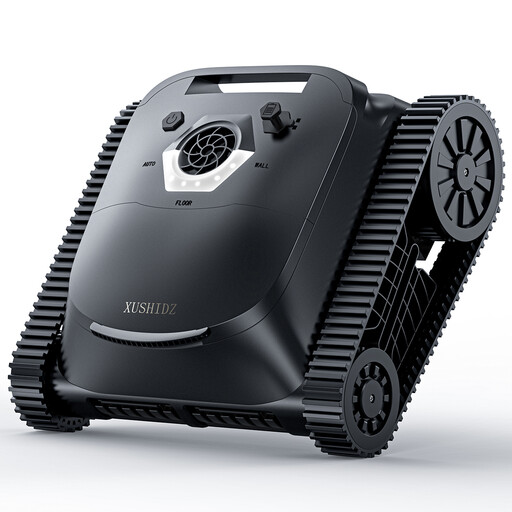
Why it suits this type of user: This cordless pool-cleaning robot starts at the touch of a button and offers four cleaning modes for the floor, walls and waterline. It’s a good fit for pool owners who want simple operation without an app.
The specifications include run time, charging time, filter capacity and maximum water depth. This makes it easier to check that the pool size and maintenance requirements are right for you before buying.
Up to 180 minutes’ run time, a 3.5-litre filter basket and IPX8 protection, according to the product specifications.
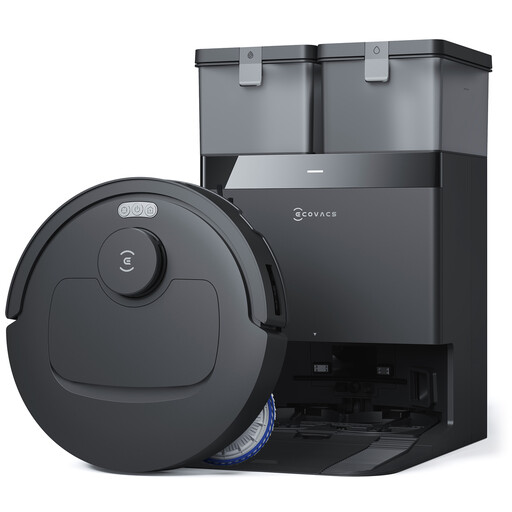
Why it suits this type of user: Designed for homes with hard floors, carpets and pets, this model combines vacuuming and mopping with an OMNI station and app control.
The specifications cover four suction levels, carpet detection, liftable mop pads and laser navigation. This gives you a clearer picture of how it will perform day to day, beyond suction power alone.
A stated suction power of 25,000 Pa, up to 180 minutes’ run time, and automatic dust emptying and mop washing.
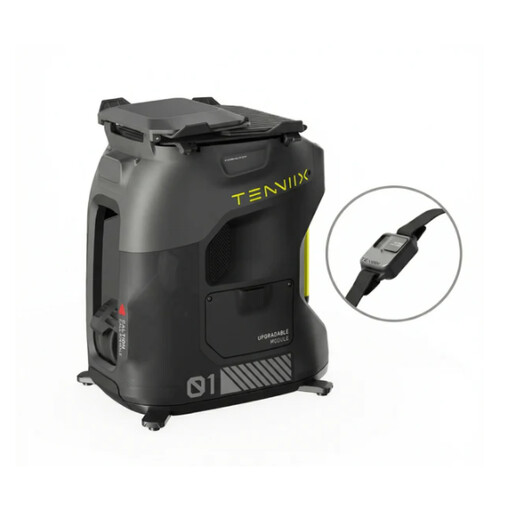
Why it suits this type of user: Tennis and padel players can tailor their training sessions using voice control or the app, and use the machine for drills they can repeat consistently.
With more than 100 serving modes and over 1,000 configurable training modes, its capabilities are clearly set out rather than hidden behind a vague AI claim.
Portable weight of 18.7 lbs, according to the supplier, plus an LED display and voice and app control.
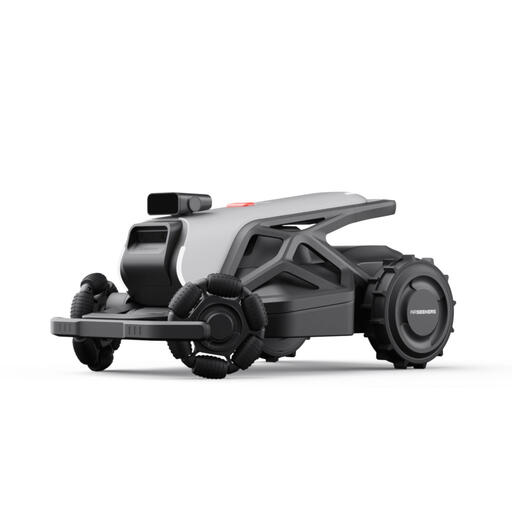
Why it suits this type of user: This model is designed for homeowners with a larger lawn, offering RTK mapping and app control. According to the specifications, it’s suitable for areas of up to 1,800 m².
The product details list the working area, slope ratings, cutting width, battery capacity and operating conditions. These are more useful when deciding whether it’s right for your garden than the term ‘AI robot’ on its own.
RTK, VIO and visual navigation, a 200 mm cutting width and IPX6 protection, according to the product description.
We’ve put together a complete, regularly updated list of products that meet these strict selection criteria and fully comply with the safety regulations in force in the EU.
When choosing a window-cleaning robot, consider whether your glass is smooth, the maximum cable length and how the robot is secured. Cracked glass, uneven materials and wooden surfaces may not be suitable. A robotic lawn mower needs a clear working area, and shouldn’t be used on steep slopes without first checking the manufacturer’s limits.
Humanoid robots, robot dogs and other autonomous robots come with additional considerations. Moving joints can create pinch points, lithium batteries need a suitable charging environment, and a device without an available SDK or API isn’t necessarily suitable for your own development projects. For chess and Go robots, check board sizes, app connectivity, language support and spare parts availability.
Electricity costs depend on power consumption, run time and how often the robot needs charging. Consumables such as filters, brushes, mop pads, dust bags and cleaning products can often add more to the overall cost. Check the prices and availability of these items before you buy.
No. Some pool-cleaning robots are operated directly using a button, while robot vacuum cleaners, robotic lawn mowers and training devices often use an app, Bluetooth or Wi-Fi. Check whether the model supports your Wi-Fi band, and whether its basic functions are available without an internet connection.
There’s no single answer, as lifespan depends on the battery cells, motors, frequency of use, exposure to moisture, surfaces and maintenance. Regularly cleaning the sensors and brushes, storing the robot correctly and using the recommended charger can all help keep it in good working order.