
Lieferung heute & morgen

Qualitätsgarantie

Willkommens-Angebote freischalten: KOSTENLOSE Lieferung | Bis zu 80 % RABATT | Kostenlose 30-Tage-JoyPlus-Testphase
App herunterladen
The idea is appealing: seeing navigation cues directly in your field of view during a bike ride, tracking your running performance without glancing at a watch, or recording spectacular descents from a first-person perspective. Smart sports glasses promise to do it all. However, the market is flooded with models whose advertised features often fail to deliver in practice. Before you invest, it's crucial to understand the common pitfalls that can lead to disappointment and a costly mistake.
As your Joybuy Product Recommendation Officer, I'll help you separate the wheat from the chaff and identify the features that truly matter.
Many sophisticated tech products are promoted with marketing terms that obscure their actual performance. With smart sports glasses, there are three key areas where reality often falls short of expectations.
To avoid these pitfalls, you should base your choice on objective technical features. Three parameters are of central importance here.
For functional AR glasses for cycling or running, display quality is critical. Look for the following specifications:
If video recording is a priority for you, look beyond mere resolution:
Sports glasses must also meet fundamental optical and material requirements:
Based on the criteria above, we have identified a few models that represent a smart choice for specific user profiles.
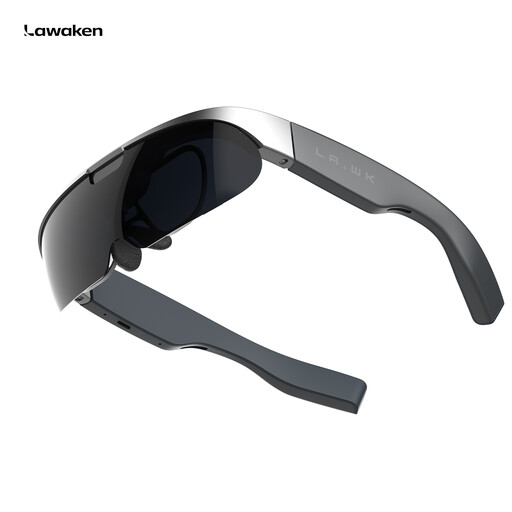
Why it's a match: Ideal for cyclists and runners who want to keep an eye on performance data like speed, distance, and navigation in real-time without having to look down. Your hands stay free and your focus remains on the road.
This model uses a binocular waveguide display designed for outdoor use, which aims for good readability even in bright conditions. It is also designed to sync with external sports peripherals, thus avoiding the closed ecosystem problem.
Integrated AR Head-Up Display (HUD) for navigation and performance data; compatibility with external sports sensors and AI assistants.
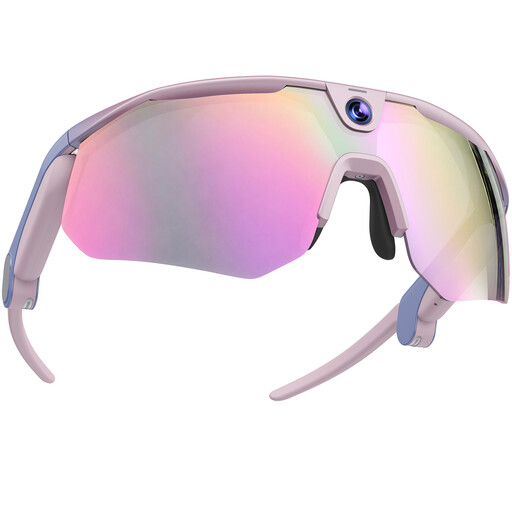
Why it's a match: Designed for athletes who want to capture their experiences from a first-person perspective in high quality and share them easily. The combination of camera, audio, and AI features makes it a tool for visual storytelling.
This model directly addresses the problem of shaky video with integrated electronic image stabilisation (EIS). According to the manufacturer, it achieves a video resolution of 3K at 60 FPS, ensuring smooth footage.
High-resolution video recording with image stabilisation; AI-powered editing features in the app for quickly creating highlight clips.
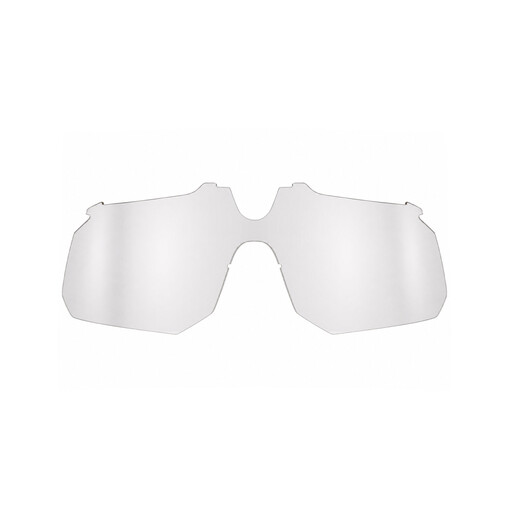
Why it's a match: For athletes who train in changing light conditions and value premium eye protection and comfort, without needing the full feature set of smart glasses. Ideal for morning or evening rides.
This model focuses on one core function: optical adaptability. It avoids the pitfall of paying for superfluous "smart" features, instead solving the practical problem of having to swap lenses in changing light.
Smart photochromic technology that automatically adjusts the tint to light intensity (light transmission from 18% to 80%); UV400 protection and a scratch-resistant coating.
We have compiled a complete, up-to-date list of products that fully meet these strict selection criteria.
Some models are compatible with prescription lenses. This is usually achieved with a special prescription insert (clip-in) that fits behind the main lens. Models like the LAWAKEN LAWK ONE or the BleeqUp Ranger specify in their product details whether they offer this option. It's a crucial feature to check before buying.
Battery life is highly dependent on usage. Features like continuous video recording or AR navigation consume significantly more power than just displaying sensor data. Manufacturer claims, such as the 8 hours mentioned by LAWAKEN, often refer to mixed usage. For long tours or competitions, it's wise to carefully check the specifications for your intended use case.
Readability depends directly on the display technology and maximum brightness. High-quality models that use waveguide displays are specifically designed for good visibility outdoors. On cheaper models with simpler displays, readability can be severely limited in direct sunlight. This is one of the most important points for assessing the real-world usability of AR glasses.