
Lieferung heute & morgen

Qualitätsgarantie

Willkommens-Angebote freischalten: KOSTENLOSE Lieferung | Bis zu 80 % RABATT | Kostenlose 30-Tage-JoyPlus-Testphase
App herunterladen
The search for a new Smart TV can quickly become overwhelming. Manufacturers advertise with a barrage of technical jargon and impressive-sounding figures. However, not every feature promoted on the box delivers real added value in practice. As your Joybuy Product Recommendation Officer, I'll help you identify the crucial features and avoid common purchasing pitfalls, so you can make an informed decision.
Before we dive into the important specifications, let's shed light on three common marketing promises that often lead to disappointment.
To avoid these traps, you should focus on a few, but crucial, technical parameters. These determine the actual picture and sound quality, as well as the day-to-day usability.
The panel technology is the heart of any television and has the greatest impact on picture quality.
As mentioned, mere support for an HDR format is not enough. Pay attention to the specified peak brightness, measured in nits. A value of 400–500 nits is the minimum threshold for a noticeable HDR effect. High-end devices reach 1000 nits and more. Formats like Dolby Vision or HDR10+ are advantageous as they adjust the picture information scene by scene, thus better utilising the TV's potential.
A smooth and future-proof operating system is crucial for user convenience. Google TV and VIDAA are examples of mature platforms with broad app support and regular updates. For gamers, the variety of ports is also important: a true Gaming TV should have HDMI 2.1 to support modern consoles with 4K resolution at 120 Hz and features like VRR (Variable Refresh Rate).
Based on these objective criteria, we have put together a few models for different user profiles.
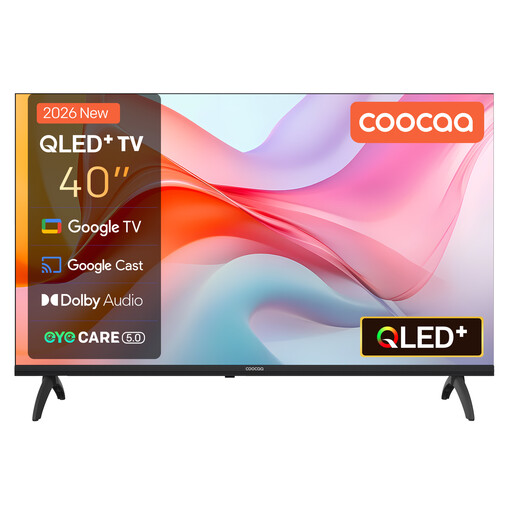
Why This Fits Their Persona: Ideal for smaller rooms, the bedroom, or as a second TV. This model offers advanced picture technology for its size and full smart functionality at an accessible price point.
It runs on the modern Google TV, ensuring smooth operation and long-term app support (avoids Trap 2). The focus is on QLED panel quality for better colours rather than just resolution (avoids Trap 3).
QLED technology in the 40-inch class for brilliant colour reproduction, which is rare at this size. Comprehensive smart features thanks to Google TV.
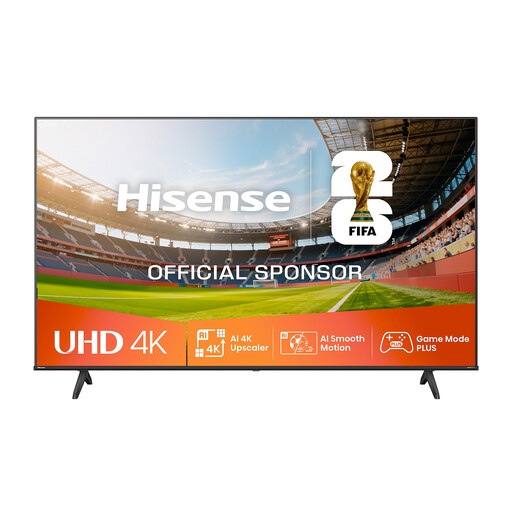
Why This Fits Their Persona: Perfect for families and users seeking a modern 4K experience on a large screen for streaming and daily TV viewing, without needing a premium budget.
Its support for Dolby Vision, a dynamic HDR format, provides scene-by-scene picture optimisation, delivering a more authentic HDR experience than devices with only static HDR10 (addresses Trap 1).
A large 65-inch TV with 4K resolution and support for Dolby Vision. The VIDAA operating system with Alexa integration offers a mature smart TV platform.
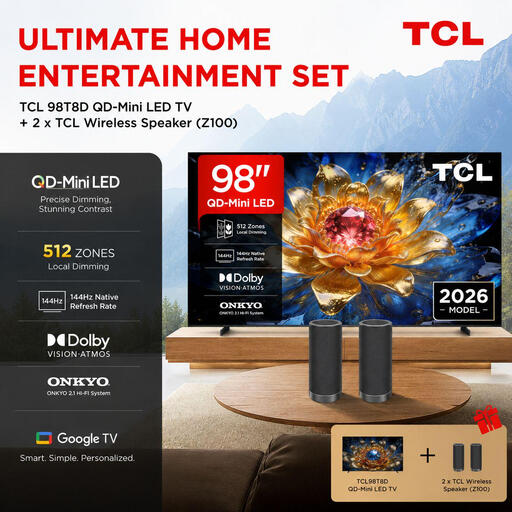
Why This Fits Their Persona: Designed for users who want an uncompromising home cinema experience with a huge screen, state-of-the-art picture technology like Dolby Atmos, and top-tier gaming performance.
The QD-Mini LED technology with 512 dimming zones and high peak brightness delivers true, impressive HDR performance (avoids Trap 1). The native 144Hz refresh rate and FreeSync Premium Pro make it a genuine Gaming TV that goes far beyond standard devices.
An immense 98-inch screen for a true cinema feel. Advanced QD-Mini LED technology for deep blacks and high brightness. Comprehensive gaming features, including 144Hz VRR.
We have compiled a complete, up-to-date list of products that fully meet these strict selection criteria and rigorous safety standards.
The lifespan of a modern TV depends heavily on the panel technology and usage intensity. The panels themselves are designed for a very long operational life, often exceeding 60,000 hours. A more relevant factor, however, is the software. After about 5 to 7 years, the manufacturer may no longer provide updates for the operating system, and new versions of streaming apps may no longer be supported. However, the TV's hardware remains fully functional, so you can continue to use it with an external streaming device.
Yes, a 4K TV can still be worthwhile even then. Modern TVs have powerful processors that upscale lower-resolution content (e.g., HD TV channels or DVDs) to 4K. A high-quality processor can visibly improve image sharpness and detail. Additionally, you'll be future-proof, as more and more content becomes available in 4K quality.
The main difference lies in colour reproduction. A conventional LED TV uses a white or blue backlight that shines through colour filters to create the image. A QLED TV adds a layer of "Quantum Dots." These tiny crystals react to the backlight's light to produce purer and more saturated primary colours (red, green, blue). The result is a wider colour gamut and greater colour accuracy, leading to a more vibrant and realistic picture.