
Lieferung heute & morgen

Qualitätsgarantie

Willkommens-Angebote freischalten: KOSTENLOSE Lieferung | Bis zu 80 % RABATT | Kostenlose 30-Tage-JoyPlus-Testphase
App herunterladen
Manually cleaning windows, especially large panes, conservatories, or on upper floors, is not only tedious but also poses safety risks. A window cleaning robot promises welcome relief. However, the market is crowded, and many devices don't live up to their advertising promises. Before making a purchase, it's crucial to know the common pitfalls to avoid a bad investment.
As your Joybuy Product Recommendation Officer, I'll help you understand the objective criteria for selecting the right device. This guide focuses on the technical facts that really matter.
Many purchasing decisions are based on marketing promises that disappoint in practice. Pay close attention to these three points to avoid falling for exaggerated advertising:
To avoid the problems mentioned above, you should carefully examine two technical areas before buying. These largely determine the safety and cleaning quality of your future helper.
A reliable window cleaning robot must have a redundant safety system. This is not an option but a necessity, especially when cleaning windows on higher floors.
A clean, streak-free result depends directly on the systematic way the robot covers the surface.
Based on the objective criteria mentioned above, we have identified some models that represent a considered choice for different user profiles and requirements.
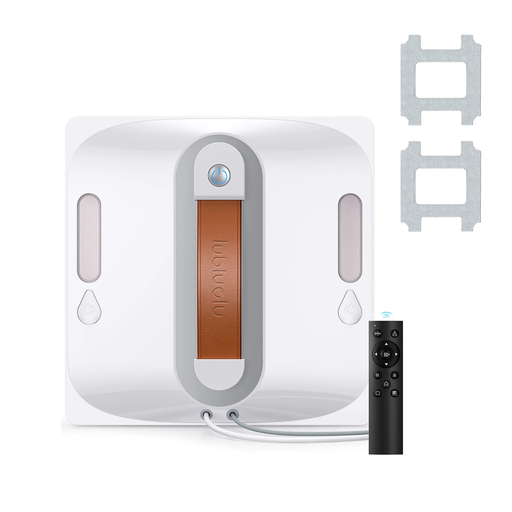
Why This Fits Their Persona: Ideal for users looking for a functional and safe solution without a premium budget. The remote control operation is straightforward and requires no app installation, making it easy to get started.
The 8-stage safety system, including a 30-minute backup battery and safety tether, addresses the risk of falling. A dedicated edge cleaning mode specifically counteracts the problem of uncleaned borders.
It offers a solid 6500 Pa suction power and four different cleaning modes, allowing for flexible adjustment to the level of dirt. The value for money is the key factor here.
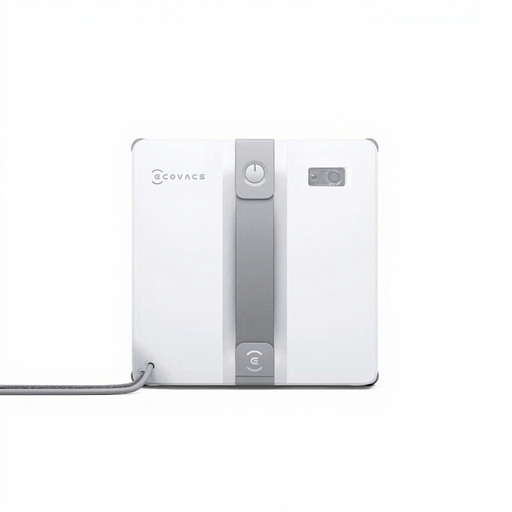
Why This Fits Their Persona: Perfect for homes with mullioned windows, narrow glass panes, or windows with internal grids or handles. Its extremely compact design (only 55 mm high) allows it to clean in places inaccessible to standard robots.
Despite its size, the device features a high suction power of 7500 Pa and a 9-stage safety system. The frameless design of the cleaning pad maximises surface coverage and minimises uncleaned edges.
The ultrasonic atomisation technology dissolves dirt with a fine water mist, resulting in a thorough clean. The app control also offers various cleaning modes (Fast, Deep, Spot).
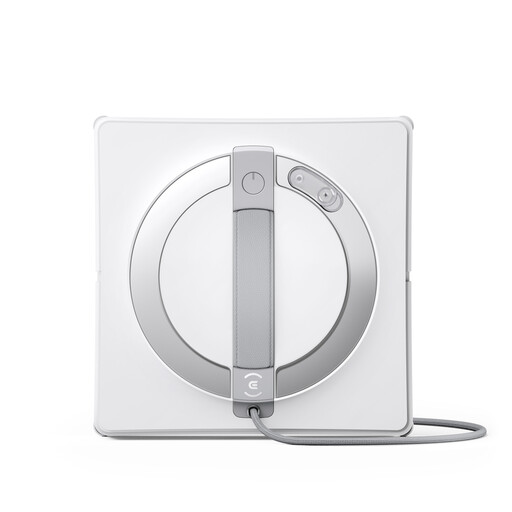
Why This Fits Their Persona: For users seeking maximum convenience and a comprehensive, highly automated window cleaning solution. The multifunctional station serves as a base, storage, and control unit all in one.
The 12-stage safety system provides comprehensive protection. The WIN-SLAM 4.0 navigation ensures gap-free cleaning, and the station simplifies handling, thus avoiding the complexity trap.
The wide-angle, three-nozzle spray technology ensures excellent surface wetting. The combined power and safety cable simplifies installation and reduces cable clutter.
We have compiled a complete, up-to-date list of products that fully meet these strict selection criteria and rigorous safety regulations.
1. Does a window cleaning robot really leave no streaks? A streak-free result depends on several factors: the level of dirt on the windows, the quality and cleanliness of the microfibre pads, and the cleaning solution used. For very dirty windows, a second pass or wiping off coarse dirt beforehand may be necessary. For optimal results, always use clean, dry pads and a cleaning solution recommended by the manufacturer.
2. Does a window cleaning robot also work on frameless windows or tiles? Yes, most modern window cleaning robots are equipped with precise edge detection sensors that allow them to work safely on frameless glass surfaces like shower screens or glass railings. They can also typically be used on other smooth, non-porous, and vertical surfaces such as high-gloss polished tiles in the bathroom. However, it is always advisable to check the manufacturer's specific guidelines.
3. What is the lifespan of a window cleaning robot? The lifespan of such a device heavily depends on the build quality, frequency of use, and maintenance. With regular care—which includes cleaning the sensors, washing the pads, and proper storage—a high-quality model can function reliably for several years. Wearable parts like the cleaning pads, rubber squeegees, or the battery may need to be replaced after some time, depending on usage.