
Lieferung heute & morgen

Qualitätsgarantie

Willkommens-Angebote freischalten: KOSTENLOSE Lieferung | Bis zu 80 % RABATT | Kostenlose 30-Tage-JoyPlus-Testphase
App herunterladen
Smart glasses combine classic eyewear designs with audio, cameras, AI or an integrated display. Depending on the model, they can show notifications, support conversations, provide translations, enable phone calls or enhance your vision and navigation while cycling. Product descriptions range from AI glasses and AR glasses to smart glasses, audio glasses and display smart glasses.
However, choosing the right pair is not simply about getting as many features as possible. If you focus only on terms such as “smart glasses with ChatGPT”, “real-time translation” or “4K camera”, you can easily overlook important limitations.
Not every pair of smart glasses has a display. Audio glasses play music, phone calls or voice assistants through open speakers, but do not show information in your field of vision. AR glasses or display smart glasses, on the other hand, can overlay navigation instructions or translations visually.
An integrated camera is not necessarily an indication of a particular image quality either. Important factors include resolution, field of view, storage or transfer method and the available app. For offices, public transport or professional conversations, a model without a camera may also require less explanation.
Many AI and translation features require a smartphone app, Bluetooth, Wi-Fi or a cloud service. Before buying, check the following:
Translation glasses can be useful when travelling, provided the app, language packs and connection are available at your destination. Claims such as “128 languages” should therefore be considered in conjunction with the specific app and its terms of use.
Electronics, batteries and speakers add weight. The Even G2, for example, is listed at 36 g, while the LAWAKEN LAWK ONE weighs over 80 g without lenses, according to the product data. This may not be an issue for short periods of use, but when worn every day for several hours, weight distribution becomes more important.
For sports or cycling glasses, non-slip arms, adjustable nose pads, impact resistance and a sufficiently wide field of vision are also important. UV400 sunglasses should be identified as such in the technical specifications. With photochromic lenses, it is also relevant to know the range in which the tint changes, such as from category 0 to 3.
When choosing display smart glasses, pay attention to the display type, brightness, resolution and visible area. According to the product description, the Even G2 uses a Micro-LED system with a private display that should only be visible to the wearer. This may be useful for notifications, teleprompter content or navigation.
A display must not distract you from traffic when walking, cycling or driving. The manufacturer’s safety instructions are therefore binding. The LAWAKEN LAWK ONE is specified as having a display field of view of 30° at 640 × 480 pixels; it also features a camera with 8 megapixels and a 120° field of view.
Check the stated operating time and whether it applies to audio, camera, display or mixed use. The Even G2 is advertised as offering up to two days of regular use, while the LAWK ONE provides up to eight hours of operating time according to the product details. The Lawaken AI Chat City is listed as offering up to twelve hours of use and five days of standby time.
Bluetooth 5.3, touch controls, voice control and magnetic charging connectors can make everyday use easier. Even so, the app should be compatible with your smartphone. For professional users, microphone quality, call controls and how recordings are handled are also relevant selection criteria.
For sports and sunglasses, UV400, polarisation and photochromic properties should be assessed separately:
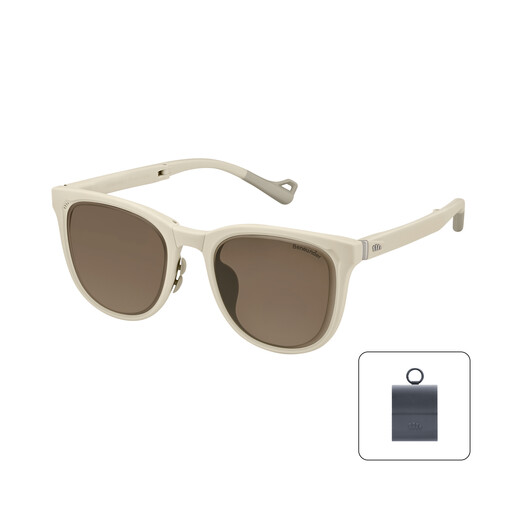
Why this product suits this profile: Foldable sunglasses without electronics for everyday use, commuting and travel. The compact design makes them easy to store in a bag or rucksack.
The product data specifies UV400 protection, a TR90 frame and scratch-resistant, oleophobic and anti-reflective coatings. There are no ongoing app or charging requirements.
Foldable design, a frame weight of 0,97 oz according to the product information, and adjustable arms and nose pads.
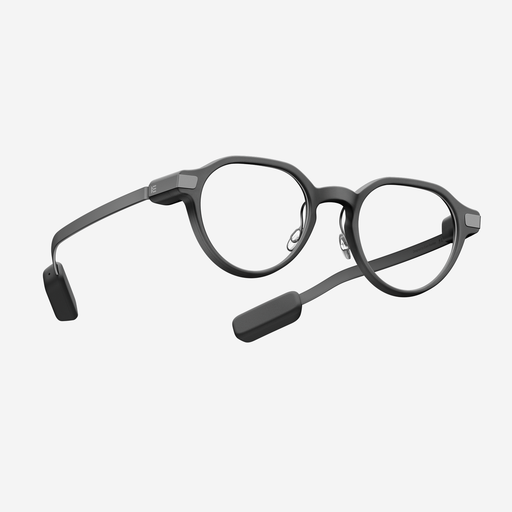
Why this product suits this profile: For professionals and multilingual users looking for camera-free glasses with a display for translations, notifications, navigation and teleprompter functions.
According to the product description, it does not have a camera. This removes a common privacy and acceptance concern during professional conversations.
Micro-LED display, a weight of 36 g according to the product information and stated translation support for more than 35 languages.
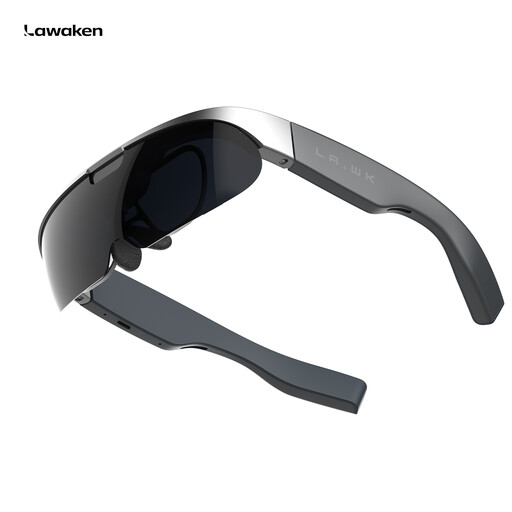
Why this product suits this profile: For cyclists and outdoor users who want to combine AR navigation, sports data, open audio and ride recording in one device.
The product data gives specific figures for the camera, display, battery, Bluetooth 5.3, IPX4 water resistance and IP5X dust protection, rather than relying solely on general feature descriptions.
8-megapixel camera, stated 4K video capability, open-ear audio and a stated operating time of up to eight hours.
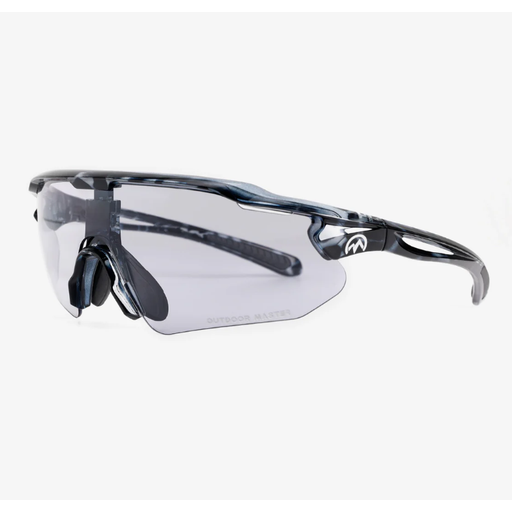
Why this product suits this profile: For cycling and outdoor activities in changing light conditions, when you need sports glasses with polarisation and photochromic lenses.
The product details specify the weight, lens dimensions, UV400 protection, polarisation and photochromic technology. This makes it easier to assess comfort and suitability before buying.
TR90 frame, polycarbonate lenses, adjustable nose pads and a stated weight of 26 to 29 g.
We have put together a complete, regularly updated list of products that fully meet these strict selection criteria and the safety regulations applicable in the EU.
No, compatibility depends on the model and its associated app. Before buying, check the requirements for Android or iOS, the Bluetooth version, permissions and any necessary accounts. Camera, display and translation features may also require an active internet connection.
Battery life varies depending on how the glasses are used. Audio functions generally require less power than the display and camera. For the models mentioned, manufacturers quote anything from several hours to two days of regular use. Frequent recording, phone calls or displaying information can shorten the actual battery life.
Several models are designed to accommodate prescription lenses or offer them separately. Suitability must be checked for each individual product. According to the product information, custom prescription lenses for the Even G2 are sold separately. For sports glasses, you should also check the fit, lens shape and compatibility with a suitable insert.