
Lieferung heute & morgen

Qualitätsgarantie

Willkommens-Angebote freischalten: KOSTENLOSE Lieferung | Bis zu 80 % RABATT | Kostenlose 30-Tage-JoyPlus-Testphase
App herunterladen
A smartphone and camera tripod needs to be more than lightweight and versatile. What matters is whether its mounting system, load capacity and footprint suit the way you plan to use it. A mini tripod for your desk has different requirements from a height-adjustable tripod for a mirrorless camera or a projector stand for your home cinema.
Many disappointing purchases come down to similar marketing claims. A tripod may be described as universal, even though it only includes a particular thread or a narrow smartphone holder. A high maximum height also tells you little about how stable it will be with the legs fully extended. Before you buy, check these three points.
Smartphones usually need a clamp-style holder or a magnetic mount. Cameras and many action cameras, on the other hand, use a 1/4-inch thread or an additional adapter. With MagSafe tripods, your phone or case needs to be magnetically compatible. Always check that a magnetic mount is secure before letting go.
DJI Osmo Pocket devices may also need a suitable adapter. Having a thread alone doesn’t guarantee that the shape, centre of gravity and mounting position will all be a good fit.
The stated maximum load is based on the product’s technical specifications and shouldn’t be exceeded. A heavy camera with a lens, microphone and LED light puts much more strain on the head than a smartphone. With a mini tripod or flexible tripod, a sideways pull from a cable or wind can also cause it to tip over.
For DSLR or mirrorless cameras, the combined weight of the camera, lens and accessories should be within the stated load capacity. A tripod rated for 2 kg isn’t designed for heavy camera equipment, even if the thread is compatible.
A height-adjustable tripod with several sections is versatile, but can be more susceptible to movement when the centre column is extended or the legs are set close together. For travel, folded size and weight also matter. A folding tripod with a packed length of 32 cm may be more practical than a taller model that won’t fit in your rucksack.
A selfie stick with tripod combines handheld and freestanding use. For content creators, a 360° ball head can give you more flexibility when positioning your device. However, always make sure the locking mechanism is tightened securely.
A tabletop tripod or mini tripod is well suited to video calls, product photography and static vlogging. A travel tripod, on the other hand, needs to strike a good balance between packed size, weight and working height. A flexible tripod can be attached to railings or branches, but its legs need to be wrapped fully around the structure and secured carefully.
Load distribution is particularly important for projectors. A floor stand with a platform can hold a range of devices, while a model with a 1/4-inch screw is more suitable for compatible compact projectors. Route cables so that no one can trip over them or accidentally pull the tripod.
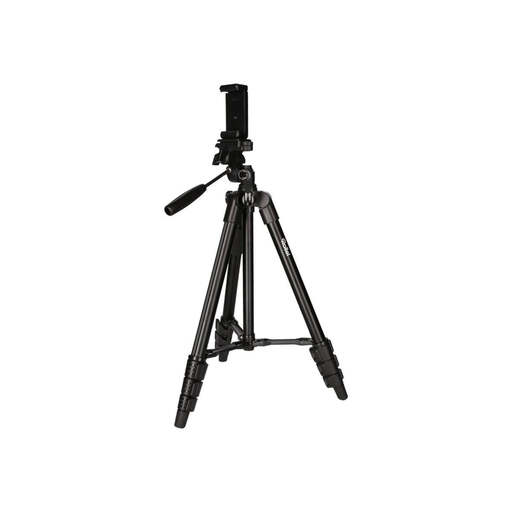
Why it suits this profile: This model is aimed at smartphone users looking for a lightweight travel tripod for vlogging, group photos and static shots. It weighs 595 g and comes with a smartphone holder and Bluetooth remote control.
The product details state a maximum load of 2 kg and specify that it is for smartphones. This makes it easier to check whether it’s suitable for your camera equipment, especially if it’s on the heavy side.
Weighs 595 g, with four-section aluminium legs, a packed size of 39 cm and a Bluetooth remote with a range of up to 10 m, according to the product details.
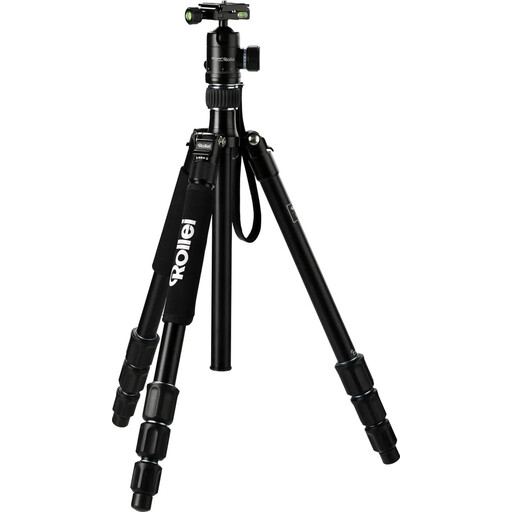
Why it suits this profile: Designed for amateur and professional photographers using a mirrorless camera, this camera tripod offers a wider working height range of 21.5 to 159 cm and a stated load capacity of 8 kg.
The load limit, four leg sections and ARCA-SWISS-compatible head are all clearly specified. This makes it easier to check whether your camera and lens are a good fit for the system.
Panoramic ball head with 360° rotation, built-in spirit levels, reversible centre column and conversion to a monopod, according to the product description.
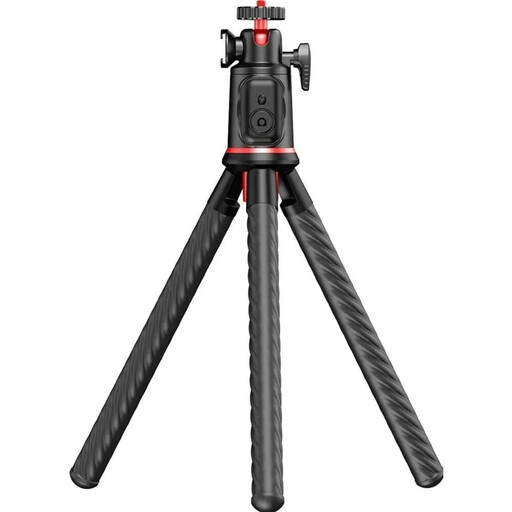
Why it suits this profile: This flexible tripod combines a tabletop tripod, selfie stick and mount for shooting from railings or branches. It’s suitable for mobile video recording with a smartphone or compatible camera.
The product details state a maximum load of 2 kg, a 1/4-inch thread and specific dimensions. Even so, the flexible legs need to be wrapped fully and securely around the structure.
360° ball head, Cold Shoe for a microphone or light, telescopic pole and Bluetooth 5.4 remote with a range of up to 10 m.
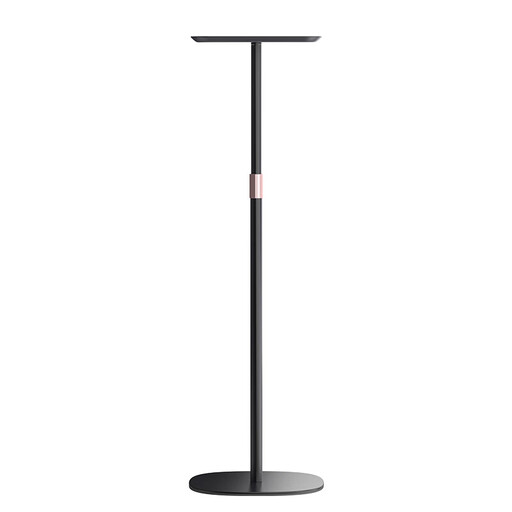
Why it suits this profile: This floor stand is designed for home cinema and projector users who need an adjustable setup from floor level to sitting height.
The product details specify a platform, 1/4-inch screw and load range of 5 to 8 kg. Position the projector centrally and check all the fastenings before use.
Height range of approximately 60 to 160 cm, 360° rotation and tilt function, plus a base with non-slip feet, according to the product description.
For travel, look for a low weight, compact packed size and sufficient working height. A travel tripod is often lighter than a heavy camera tripod, but may offer less stability in windy conditions or with larger equipment. Before you buy, check its folded length, load capacity and what’s included.
It depends on the stated load limit, thread and holder. A smartphone tripod with a load capacity of 2 kg isn’t automatically suitable for a camera with a lens. What matters is the total weight of your setup, including accessories. Action cameras and DJI Osmo Pocket devices may need an adapter.
Before each use, check the leg locks, head, screw and smartphone clamp. Place the tripod on a firm, level surface. With flexible models, wrap the legs fully around a suitable structure. Remove dust and moisture after using it outdoors. Keep electronic remote controls and motorised heads out of heavy rain and water.