
Lieferung heute & morgen

Qualitätsgarantie

Willkommens-Angebote freischalten: KOSTENLOSE Lieferung | Bis zu 80 % RABATT | Kostenlose 30-Tage-JoyPlus-Testphase
App herunterladen
The demand for smooth, professional-looking smartphone videos is constantly growing. A smartphone gimbal promises just that: shake-free footage, like what you see in movies. But the market is flooded with devices making bold claims that they often fail to deliver in practice. Many users invest in a device only to find it's impractical, breaks down quickly, or is incompatible with their own smartphone.
This guide serves as your roadmap. We'll highlight the most common pitfalls to avoid when buying and explain which technical features truly matter, so you can make an informed decision.
Before diving into features, it's important to understand the typical problems that can lead to a bad purchase.
To separate the best from the rest, you should focus on the following core technical features. These determine the actual performance and utility of a gimbal.
A true smartphone stabiliser for video works with three motors that compensate for unwanted movements on three axes:
Only a 3-axis stabiliser can fully compensate for the complex movements that occur when walking or running, ensuring consistently smooth footage. Models with only one or two axes offer significantly lower stabilisation performance.
Advanced gimbals with tracking go beyond simple facial recognition. Look for features that match your use case, such as:
Also, check for compatibility. Ensure the gimbal supports your smartphone model (e.g., a gimbal for iPhone or specific Android devices) and its weight. An integrated gimbal with a tripod and compatibility with other vlogging accessories significantly increase flexibility.
Here are some recommendations tailored to specific user profiles and their needs.
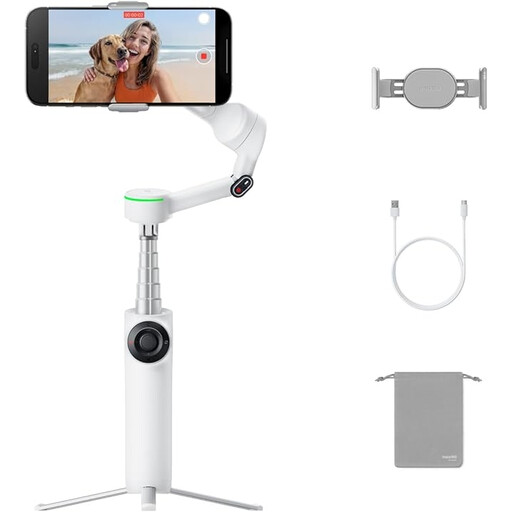
Why This Fits Their Persona: This bundle is designed for users who don't want to compromise. It combines a high-performance gimbal with useful accessories like a spotlight, making it an all-in-one tool for vlogging and professional content.
According to the manufacturer, the AI features like multi-person and active zoom tracking are precise and offer real practical benefits, rather than just being marketing buzzwords.
All-in-one solution with an integrated tripod, selfie stick, and power bank. The Pro bundle also includes a spotlight for better lighting.
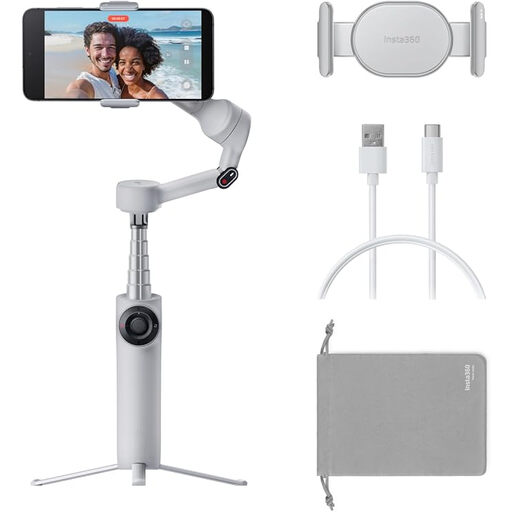
Why This Fits Their Persona: For users who are always on the go, portability and quick setup are key. This model is compact, foldable, and combines the most important functions (gimbal, tripod, selfie stick) in one device.
As a foldable gimbal, it's designed for durability. The simple setup and intuitive gesture controls avoid the complexity of overloaded AI systems and focus on practical use.
Compact all-in-one design with 3-axis stabilisation. The long battery life of up to 10 hours (according to the manufacturer) is ideal for long shooting days while travelling.
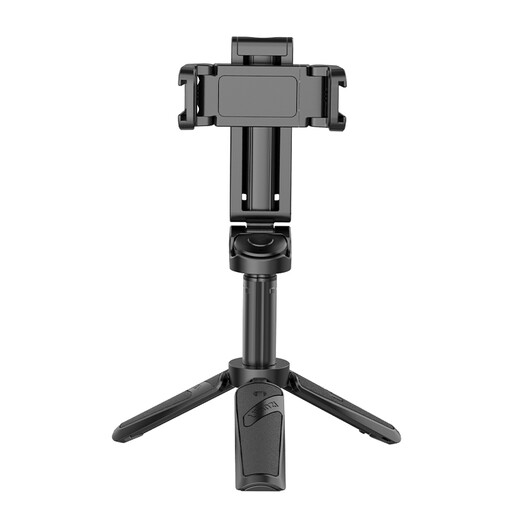
Why This Fits Their Persona: Those looking for stable shots for static scenes or simple vlogs don't necessarily need a motorised gimbal. This 3-in-1 solution serves as a grip, tripod, and selfie stick, providing a solid base for shake-free videos.
This product doesn't promise complex AI features. It focuses on its core competency: being a stable, versatile mount for your smartphone. This prevents disappointment from overblown expectations.
Multifunctional 3-in-1 design with a Bluetooth remote. The two cold shoe mounts allow for easy attachment of accessories like microphones or lights.
We've compiled a complete, up-to-date list of products that fully meet these strict selection criteria and relevant safety regulations.
Battery life varies depending on the model and intensity of use. Many current devices, like the Insta360 Flow 2, offer a runtime of up to 10 hours, according to the manufacturer. However, the actual duration depends on factors like motor usage intensity, activation of tracking features, and ambient temperature. For long shooting days, it's advisable to choose a model with a long battery life or a power bank function.
For static shots or simple pans, a good gimbal with a tripod or even a steady hand might be sufficient. However, as soon as you start moving—whether walking, running, or driving—the difference becomes clear. A 3-axis stabiliser compensates for these movements and provides the professional, fluid look that stands out on platforms like Instagram, TikTok, or YouTube. For dynamic content, the investment is therefore highly recommended.
No, compatibility is a crucial factor. Pay attention to the maximum dimensions and weight of the smartphone specified by the manufacturer. Particularly large or heavy models, possibly with a thick case, can overload the gimbal's motors or disrupt the balance. Always check the manufacturer's compatibility list before purchasing to ensure your gimbal for iPhone or Android device is suitable.