
Lieferung heute & morgen

Qualitätsgarantie

Willkommens-Angebote freischalten: KOSTENLOSE Lieferung | Bis zu 80 % RABATT | Kostenlose 30-Tage-JoyPlus-Testphase
App herunterladen
A new smartphone such as the iPhone 16 Pro Max, iPhone 17 Pro Max or Samsung Galaxy S25 Ultra should be protected from scratches, dirt and everyday wear and tear. However, there is a huge choice of films and tempered glass protectors. Terms such as “9H”, “impact-resistant” or “blue light” may sound clear, but on their own they reveal little about whether a product is actually suitable for your device.
As a Joybuy Product Recommendation Officer, I filter the most important product details for you and explain what really matters when choosing a smartphone screen protector.
An iPhone screen protector for the iPhone 16 Pro will not necessarily fit the iPhone 16 Pro Max. Even models within the same range can differ in display size, cut-outs, bezels and camera layout. The same applies to a Samsung Galaxy screen protector: the S25, S25+ and S25 Ultra each require the correct version.
Before buying, check:
This is particularly important for searches such as screen protector for iPhone 16 Pro Max, screen protector for iPhone 17 Pro Max or screen protector for iPhone 18 Pro Max. The product description should mention these exact model variants.
The specification 9H tempered glass generally describes scratch resistance according to a hardness scale, not a guarantee against damage caused by drops. A scratch-resistant screen protector can help protect against keys, coins and everyday friction, but it will not automatically prevent every cracked screen.
Flexible multi-layer films may behave differently from rigid glass under certain types of stress. The material structure, coverage and correct installation are all important. Terms such as “impact-resistant screen protector” should therefore be understood as a product feature, not a complete guarantee against damage.
An anti-blue-light screen protector may include a filtering function. However, this does not imply any medical or therapeutic effect. Similarly, a matte screen protector is not ideal for everyone: it can reduce reflections and visible fingerprints, but depending on the surface, it may affect the appearance of colours, brightness or fine details.
Choose additional features according to how you use your device:
A traditional plastic film is usually thin and flexible. A tempered glass protector offers a firm, smooth surface. Multi-layer hybrid solutions combine flexible and harder layers.
Look for specific details such as:
Greater hardness does not automatically mean a product is better suited to every situation. A flexible film may be a sensible choice for a smartphone used with a rugged case, while people who frequently carry their phone alongside keys or other items may prefer a scratch-resistant surface.
A film should not be so large that a protective case lifts its edges. At the same time, it should cover as much of the relevant display area as possible. Terms such as “full-frame” or “edge-to-edge” should be checked against the product’s case-compatibility information.
Precise cut-outs are important for curved displays or screens with particularly narrow bezels. For the Samsung Galaxy S25 Ultra, Samsung Galaxy S25 and Samsung Galaxy S25+, the product page should specify the exact model in each case.
A bubble-free installation depends not only on the product, but also on how well you prepare. Dust trapped beneath the film remains visible and can affect both adhesion and touch operation.
Recommended procedure:
The screen protector should be replaced if it develops cracks, lifted edges or visible damage.
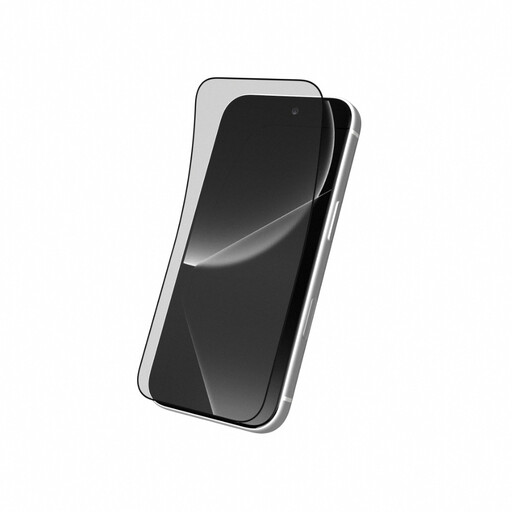
Why this product suits this profile: This transparent, flexible design is ideal for users looking for a discreet screen protector for several of the iPhone models listed above and who prefer an installation tool.
The product name explicitly lists the compatible models. This makes it easier to check the fit more precisely before buying.
Flexible material combination, transparent display, reduced-static surface and supplied installation tool.
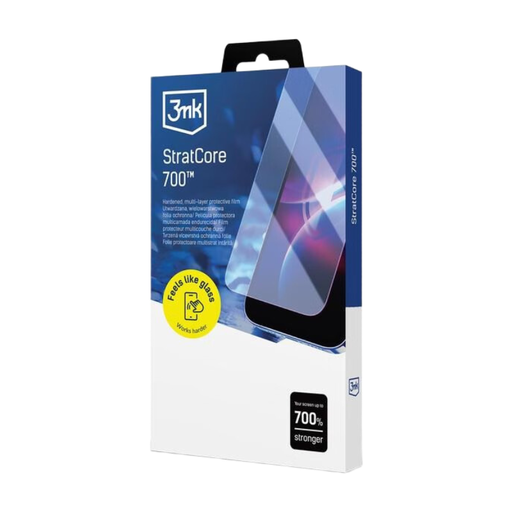
Why this product suits this profile: This multi-layer film, specified for the Galaxy S25 Ultra, is suitable for buyers who prefer a smooth surface, flexible material properties and clear technical specifications.
The specifications state compatibility, a material thickness of 0.40 mm and a hardness rating of 7H. This allows buyers to compare advertising claims with verifiable specifications.
Transparent multi-layer film, 0.40 mm thickness, 7H hardness and instructions for low-dust installation.
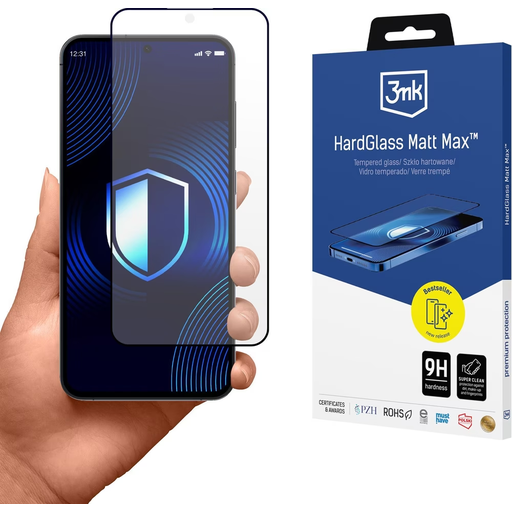
Why this product suits this profile: The matte surface is designed for frequent users who want to reduce reflections and visible fingerprints in the office, while travelling or in changing lighting conditions.
The product description explicitly states that the matte coating may slightly affect brightness and colour saturation. Make sure this characteristic suits the way you use your device before buying.
9H hardness, matte surface, full-frame coverage and information about bubble-free installation.
We have put together a complete, regularly updated list of products that fully meet these strict selection criteria and the safety regulations applicable in the EU.
The exact model name is crucial. A film for the iPhone 16 Pro Max should not be bought for another Pro or Max model without checking first. The same applies to a screen protector for iPhone 17 Pro Max or a screen protector for iPhone 18 Pro Max. Compare the model information, cut-outs and case compatibility on the product page.
Its lifespan depends on the material, daily use and care. Replace the film if it develops cracks, lifted edges, deep scratches or loses adhesion. Even a film that looks intact may offer only limited protection if it has visible damage.
Tempered glass provides a firm, smooth surface and often comes with a specified hardness rating. Flexible films can adapt more easily to certain display shapes and are less likely to shatter under stress. The right choice therefore depends primarily on your smartphone model, case, preferred feel and how you use your device.