
Lieferung heute & morgen

Qualitätsgarantie

Willkommens-Angebote freischalten: KOSTENLOSE Lieferung | Bis zu 80 % RABATT | Kostenlose 30-Tage-JoyPlus-Testphase
App herunterladen
The right screen protector can reduce scratches caused by keys, friction in your pocket and everyday dirt. However, not every film advertised as “unbreakable” delivers the right results. What matters is the specific smartphone model, the shape of the display and the product’s actual features.
The 9H screen protector rating generally describes scratch resistance according to a standardised pencil hardness test. It does not mean that a smartphone display will remain undamaged after every drop. Even tempered glass can break on impact at a specific point and may not keep all the force away from the original display.
A full-cover screen protector extends as far as possible towards the edges of the front of the phone. With cases that protrude significantly or fit very tightly, this can put pressure on the edges. The result may be lifting edges or small particles of dust beneath the protective glass. A case-compatible screen protector therefore deliberately leaves a small gap around the edge.
If you do not thoroughly remove dust, grease and fibres from the display surface, you risk bubbles and trapped particles. A protector that is not aligned correctly can also affect touch control or obstruct the view of sensors. An alignment frame, cleaning cloths and dust removers are practical components of a good package, but they do not guarantee a flawless installation.
Check the full model name before buying. An iPhone screen protector for the iPhone 16 will not automatically fit an iPhone 16 Pro Max. The same applies to a Samsung Galaxy screen protector: for the Galaxy S25 Ultra, the dimensions, curved display edges and cut-outs must all be taken into account precisely.
Look out for:
Tempered glass for mobile phones is usually made from toughened glass and provides a smooth, glass-like surface. A scratch-resistant TPU protector or multi-layer composite, on the other hand, is flexible and can adapt better to curved displays. However, feel, thickness and level of protection vary from product to product.
A film is a sensible choice when:
Tempered glass is worth considering when:
An anti-fingerprint screen protector coating can reduce traces of oil and dirt. However, it will not prevent fingerprints completely and may wear down with intensive use. A privacy screen protector restricts visibility from the side. This can be useful on trains, in cafés or in the office, but it often results in a darker image that is harder to read from an angle.
When you see terms such as “self-healing”, “military-grade” or “shatter-proof”, pay close attention to the specific technical description. A screen protector does not make a smartphone immune to severe drops or sharp objects.
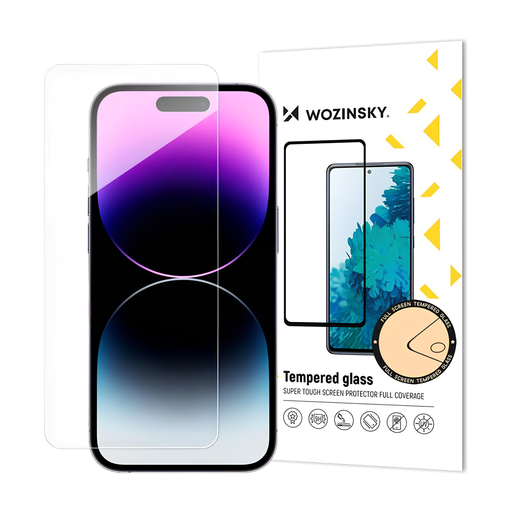
Why this product suits this profile: This flexible phone screen protector is designed for the iPhone 16 Plus and comes as a single item with a cleaning cloth, dust-removal sticker and installation card.
The precise model matching helps prevent the common mistake of buying a protector that is too small or has incorrectly positioned cut-outs.
Flexible TPU design, no additional adhesive according to the product description, plus accessories for installation.
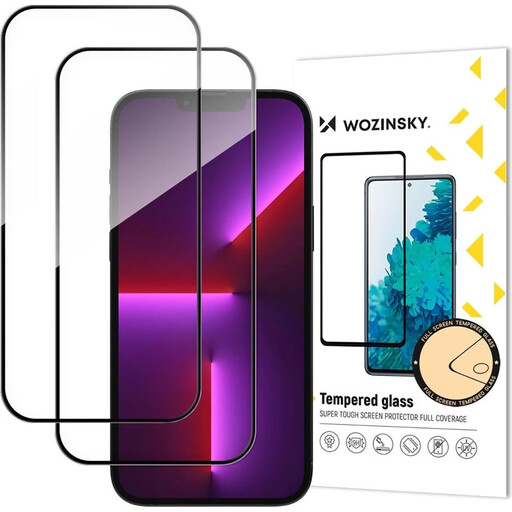
Why this product suits this profile: This two-pack combines 9H glass, full-surface adhesive and a case-friendly design according to the product specifications for the iPhone 17 Pro.
The full-glue design and installation accessories help address adhesion problems and trapped air bubbles.
9H hardness, high transparency, two protective glasses per pack and tools for bubble-free installation.
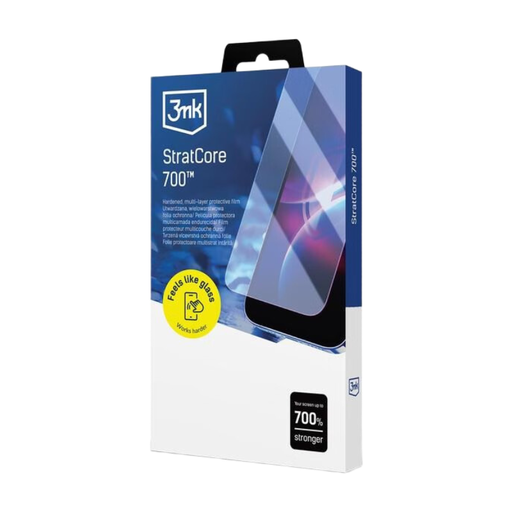
Why this product suits this profile: This multi-layer, 0.40 mm-thick film is designed for the curved display of the Samsung Galaxy S25 Ultra while remaining flexible.
The flexible construction is designed for curved display edges, reducing the risk of the edges lifting prematurely.
0.40 mm thickness, stated 7H hardness, oleophobic and hydrophobic coating, plus compatibility with biometric functions according to the product data.
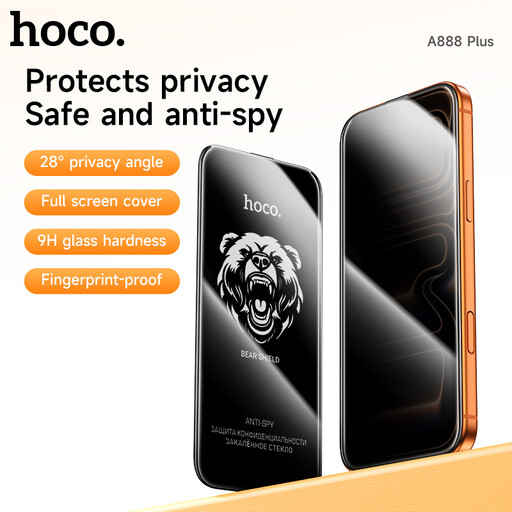
Why this product suits this profile: This privacy screen protector is designed for users who want to make their content harder to view from the side while on the move.
The restricted side visibility is an important product feature to consider and should not be confused with a transparent screen protector.
Full-screen design and privacy function; the product warning also highlights possible limitations to side visibility.
We have put together a complete, regularly updated list of products that fully meet these strict selection criteria and the safety regulations applicable in the EU.
Installation should be carried out in an environment with as little dust as possible. Damaged protective glass should be removed carefully and replaced; sharp edges can cause injury.
Its lifespan depends on usage, the case, how the phone is transported and the surface coating. Visible scratches, cracks, lifting edges or impaired touch control indicate that it should be replaced. A screen protector should be checked after a heavy impact, even if the smartphone still works.
Not necessarily. 9H describes the stated hardness rating of a product and mainly relates to scratch resistance. A flexible film may fit curved displays better. The key factors are the model fit, material, coverage and the feel you prefer.
The price depends, among other things, on the material, coating, installation aid, coverage and pack size. A two-pack can be economical if you replace the protector regularly. Do not compare only the unit price; also check compatibility and the installation accessories included.