
Lieferung heute & morgen

Qualitätsgarantie

Willkommens-Angebote freischalten: KOSTENLOSE Lieferung | Bis zu 80 % RABATT | Kostenlose 30-Tage-JoyPlus-Testphase
App herunterladen
A good smartphone tripod can be the difference between a shaky snapshot and a professional-looking shot. But the market is flooded with products that look promising online, only to disappoint in practice. Many buyers quickly discover that their new tripod is wobbly, the mount doesn't securely grip their smartphone, or a critical joint breaks after just a few uses.
This guide will help you recognise the typical pitfalls. We'll show you which technical features truly matter, so you can make an informed decision and find a tripod that meets your needs for vlogging, travel, or stable photography.
Before we dive into the important parameters, let's highlight the three most common problems that lead to a bad purchase.
A frequent frustration is tripods whose legs or joints are made of cheap plastic. These materials tend to bend under load, especially when the tripod is fully extended or when using heavier smartphones. A plastic joint can break easily, rendering the entire tripod useless. The result is not only frustrating, shaky footage but also the risk of your expensive smartphone crashing to the ground.
Manufacturers often advertise an impressive maximum height. However, this specification is worthless if the tripod's base isn't wide and heavy enough to ensure stability. A tall but lightweight travel tripod with a narrow footprint will become unstable at the slightest touch or a gust of wind. The consequence: the tripod and your smartphone topple over. Therefore, always pay attention to the ratio of height to stability.
The mount is the critical connection between the tripod and your smartphone. Many budget-friendly models use spring-loaded clamps with weak tension, which can barely hold modern, larger, and heavier smartphones securely. Another problem area is the magnetic tripod: if the magnetic force isn't precisely matched to systems like MagSafe, the phone can slip or fall off with minor vibrations.
To avoid the pitfalls mentioned above, focus on three objective criteria that determine the quality and longevity of a smartphone tripod.
The choice of material is crucial for durability.
Pay special attention to the joints and leg locks. Metal components are almost always the more reliable choice here.
Every tripod has a specified maximum payload. This should be significantly higher than the weight of your smartphone, including its case and any accessories (e.g., a microphone). A good safety margin provides extra security. Also, check the footprint of the tripod legs when fully extended. A wider base provides greater stability, especially for models with a tall extension height. Many tripods feature a universal 1/4-inch screw, allowing you to mount not only smartphone holders but also cameras or lights.
The type of mount should suit your device and how you use it.
Here are some models tailored to specific use cases that meet the criteria mentioned above.
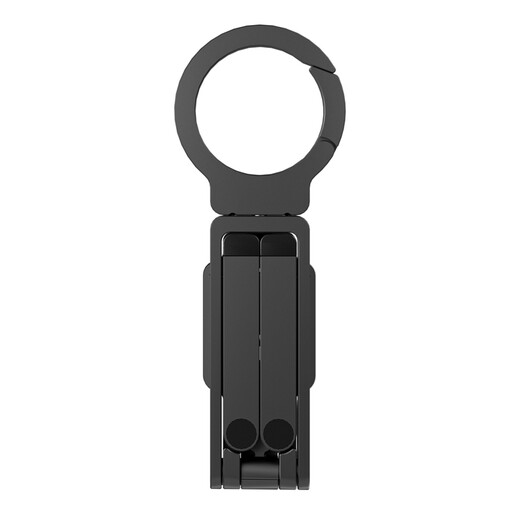
Why This Fits Their Persona: Ideal for spontaneous shots on the go. The carabiner design allows for easy attachment to a backpack or belt, while the magnetic mount enables lightning-fast setup with MagSafe-compatible iPhones.
The robust aluminium construction bypasses the trap of cheap plastic joints. The strong magnetic system is designed for the weight of modern smartphones, preventing slippage—a common issue with weak magnetic mounts.
Combines four functions (tripod, grip, stand, selfie stick) in an extremely compact and portable format. Made from durable aluminium.
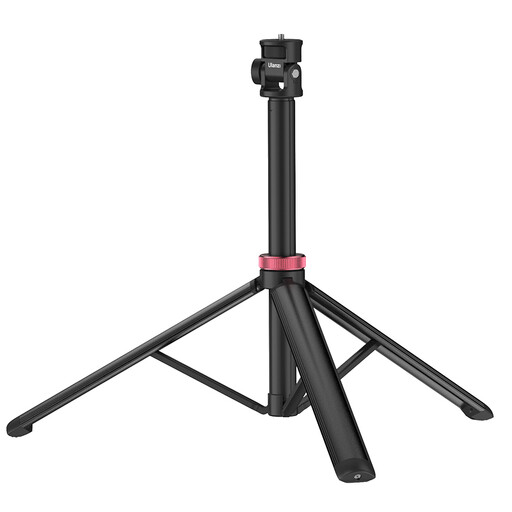
Why This Fits Their Persona: Perfect for vloggers who need flexible camera perspectives. The enormous extension height of up to 204 cm allows for overhead or long-distance shots, while remaining portable when collapsed.
This model solves the problem of instability at great heights. Its solid aluminium construction and wide base ensure a secure stance even at maximum extension, preventing it from tipping over.
Extreme extension height (204 cm) for maximum flexibility. The 1/4-inch screw allows for mounting cameras, lights, and other accessories.
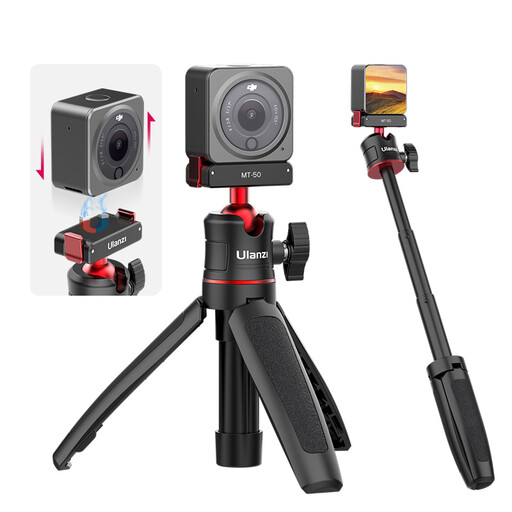
Why This Fits Their Persona: This DJI Osmo accessory is specifically designed for users of DJI Action cameras. It offers seamless integration and a quick switch between different shooting scenarios.
It solves the compatibility issues often found with universal tripods. The magnetic mount is precisely tailored to the DJI Osmo Action, ensuring a completely secure hold that universal clamps can't always provide.
Magnetic quick-release system for maximum efficiency. Compact design that perfectly matches the mobile nature of the action camera.
We've compiled a complete, up-to-date list of products that fully meet these strict selection criteria.
The maximum payload varies greatly depending on the model and manufacturer. You can find this information in the product's technical specifications. As a rule of thumb, you should choose a tripod with a stated payload that is at least 20-30% above the weight of your device (smartphone + case). This creates a safety buffer and ensures stability even with slight tilts or in windy conditions.
Not necessarily. Most tripods use an adjustable clamp that is compatible with a wide range of smartphone widths. Check the minimum and maximum clamp width in the product details. An alternative is magnetic tripods, which are primarily designed for devices with built-in magnets, like newer iPhone models with MagSafe. For other devices, an additional adhesive metal plate is often required.
A tabletop tripod or mini tripod is typically very compact and designed for stationary use on a flat surface. A vlogging tripod is often more versatile. It frequently combines several functions: it can be used as a tabletop tripod, a handgrip for shooting on the move, and an extendable selfie stick with tripod. Additionally, vlogging models sometimes have extra ports (cold shoe mounts) for attaching microphones or video lights.