
Lieferung heute & morgen

Qualitätsgarantie

Willkommens-Angebote freischalten: KOSTENLOSE Lieferung | Bis zu 80 % RABATT | Kostenlose 30-Tage-JoyPlus-Testphase
App herunterladen
For stable video recordings, sharp low-light photos, or simply hands-free video calls, a smartphone tripod is an indispensable accessory. But the market is flooded with products that overpromise and underdeliver. Before you spend money on a solution that becomes useless after a few weeks, it's crucial to know the most common pitfalls. Many buyers get frustrated with wobbly builds or mounts that fail to securely hold their expensive smartphones.
This guide will help you separate the wheat from the chaff. We'll focus on the critical features that define a reliable smartphone tripod and show you how to distinguish marketing hype from genuine quality.
The selection can be overwhelming, and manufacturers often take advantage of this. Pay close attention to these three points to avoid a bad purchase:
To avoid the pitfalls mentioned above, you should check three technical parameters before buying. These determine the tripod's durability, stability, and ease of use.
The material is the foundation of stability. Aluminium offers a good compromise between stability and weight, making it ideal for a smartphone travel tripod. Carbon fibre is even lighter and better at dampening vibrations, but is typically more expensive. Pay attention to the maximum payload specified by the manufacturer. This should be significantly higher than your smartphone's weight to ensure a secure base, even when using additional accessories like microphones or lights. The leg design is also important; twist-locks are often more compact, while flip-locks allow for quicker operation.
The mount must securely and firmly grip your smartphone. A good clamp mount features a strong spring and deep, rubberised grips that protect and secure the device. For users of newer iPhones, a magnetic tripod with MagSafe compatibility can be a very fast and convenient alternative. However, it's crucial to look for high magnetic strength, often specified by the manufacturer in Newtons (N), to prevent accidental detachment. A standard 1/4-inch thread on the tripod head also ensures you can mount other devices like small cameras or lights.
An extendable tripod offers flexibility for various shooting scenarios, from tabletop shots to eye-level recording. Compare the maximum working height with the packed size. A good travel tripod can be folded down to under 40 cm, fitting easily into a backpack. Flexible tripods, often called "octopus tripods," offer a different kind of versatility by allowing you to wrap them around branches, railings, or other objects, but they are generally not suitable for significant heights.
Based on the criteria above, we have identified several models that represent thoughtful solutions for different use cases.
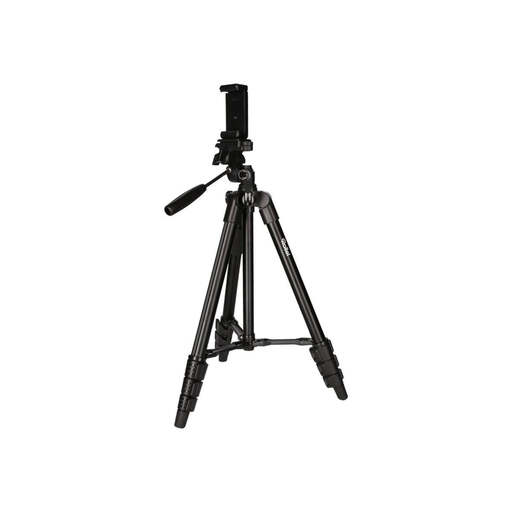
Why This Fits Their Persona: Ideal for users seeking a straightforward, lightweight, and affordable solution for holiday photos, family events, or their first steps in vlogging. It's easy to use and highly portable.
The aluminium legs and twist-locks provide solid stability that far surpasses that of all-plastic tripods. The spring-loaded clamp securely holds common smartphones.
Very low weight of just 595g and a compact packed size of 39 cm. The included Bluetooth remote shutter allows for remote shots without using a self-timer.
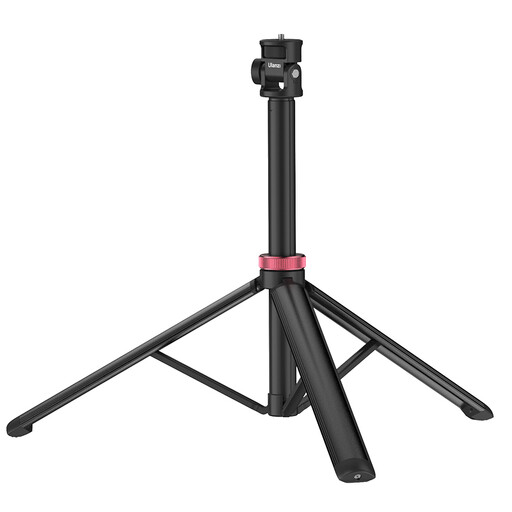
Why This Fits Their Persona: Perfect for content creators who need maximum height flexibility. Ideal for shooting over crowds, capturing creative angles, or using as a high-positioned selfie stick.
This model avoids the unstable "all-in-one" trap with a robust aluminium construction and a sufficiently wide base that ensures stability even at full extension.
The enormous extension length of up to 204 cm is rare in this product class. It combines the function of a long selfie stick and a tall tripod into a single, stable device.
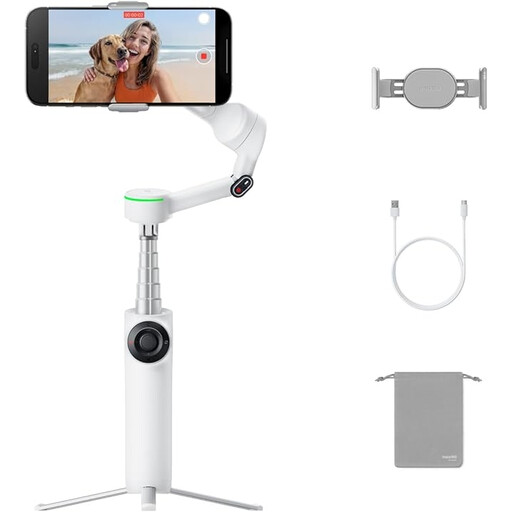
Why This Fits Their Persona: For users who need more than just static stability. This smartphone gimbal enables smooth, professional-looking video footage on the move and offers intelligent tracking features.
It's a specialised tool, not a compromise. The 3-axis stabilisation is its core function, delivering results a normal tripod cannot achieve. The integrated tripod is designed for stationary use and is stable.
The AI-powered subject tracking automatically keeps people or objects in the frame. The 3-axis stabilisation actively compensates for shakes and jitters while walking or running.
We have compiled a complete, up-to-date list of products that fully meet these strict selection criteria and safety regulations.
1. What is the difference between a gimbal and a regular phone tripod? A phone tripod provides a static, stationary platform to hold your smartphone steady. It's ideal for long exposures, time-lapses, or stationary video recording. A smartphone gimbal is an active stabilisation system. It uses motors and sensors to compensate for movement and vibrations in real time. The result is smooth, cinematic video, even while you're on the move.
2. Are magnetic tripods safe for my smartphone? High-quality magnetic mounting systems, especially those compatible with Apple's MagSafe standard, are very safe for normal use. They use strong magnets that reliably hold the phone. For models like the ULANZI MA60, the magnetic force (e.g., 14N) is often cited as an indicator of holding power. However, for extreme activities like mountain biking or in environments with strong vibrations, a traditional clamp mount may be the safer choice.
3. How much should I spend on a good phone tripod? Prices vary depending on the material and feature set.