
Lieferung heute & morgen

Qualitätsgarantie

Willkommens-Angebote freischalten: KOSTENLOSE Lieferung | Bis zu 80 % RABATT | Kostenlose 30-Tage-JoyPlus-Testphase
App herunterladen
By Joybuy Product Recommendation Officer, August 29, 2026
A shaky video from your last holiday or a group photo where someone is always missing—many of us know these situations. A smartphone tripod promises a solution, but the market is crowded and confusing. Many products make promises they can't keep in practice. The result is often a flimsy build that becomes useless after a short time, or an expensive device with features you'll never use.
This guide will help you identify the crucial features and sidestep common purchasing pitfalls. We'll show you what really matters when choosing a tripod, so you can make an informed decision for stable and creative shots.
Before you invest, you should be aware of the most common issues that lead to disappointment. Many buyers regret their decision because they encounter one of these three problems:
To avoid these pitfalls, focus on three objective criteria. These determine the durability, versatility, and practical utility of your tripod.
A tripod's stability is directly linked to its material. Models made from an aluminum alloy generally offer greater rigidity and durability than those made from simple ABS plastic. Pay attention to the specified maximum payload in kilograms (kg). This figure should significantly exceed the weight of your smartphone, including its case and any potential accessories. A stable triangular base with non-slip rubber feet is also an indicator of a secure footing, both on smooth floors and outdoors.
The ideal height depends on your intended use. For vlogs or standing shots, models with a height of 150 cm or more are advantageous. For travel or quick use on the go, a compact smartphone travel tripod with a small packed size (the length when folded) is more crucial. A good design strikes a balance between maximum height and portability. A mini phone tripod is excellent for tabletop setups or low-angle perspectives.
The way the smartphone is attached is critical for user-friendliness.
Instead of making a one-size-fits-all recommendation, we have identified products tailored to specific user profiles and their requirements.
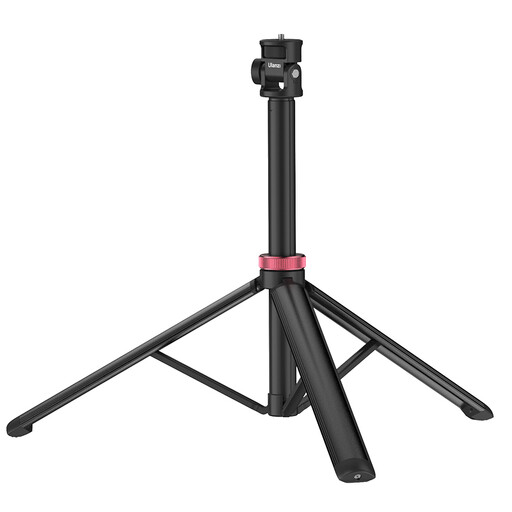
Why This Fits Their Persona: Ideal for content creators and travellers who need maximum flexibility in shooting height without carrying a heavy camera tripod. The combination of a selfie stick and a full-fledged tripod covers almost any scenario.
The aluminum construction avoids the "unstable, lightweight build" pitfall. With an extension height of over 2 meters, it bypasses the limitations of many compact models.
Great maximum height (204 cm) for versatile perspectives. Integrated 1/4-inch thread for accessories like lights or microphones.
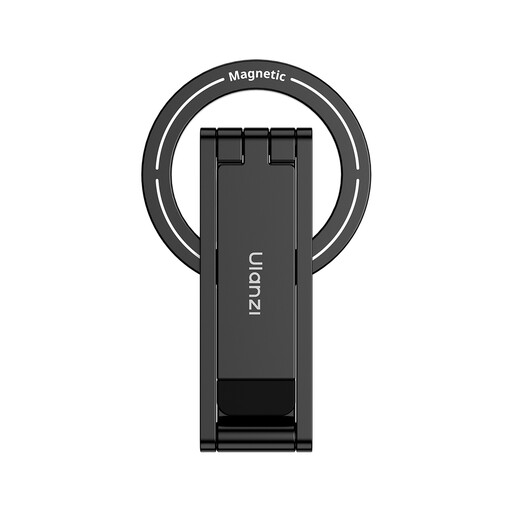
Why This Fits Their Persona: Perfect for daily use. It fits in any bag and is ready in seconds thanks to MagSafe compatibility—ideal for spontaneous shots, video calls, or watching media on the go.
This model bypasses the compatibility pitfall for MagSafe users and the "overkill features" trap. It is a highly specialized tool that solves one specific problem: quick, stable setups.
Extremely compact and foldable design. Strong magnetic mount (14N) for a secure hold on compatible iPhones.
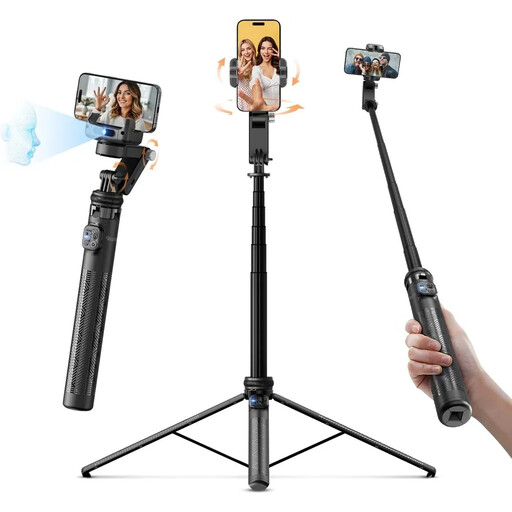
Why This Fits Their Persona: For users who need more than just a static mount. Ideal for dynamic videos, vlogs on the move, or presentations where the camera needs to automatically follow the person.
This device avoids the "overkill features" pitfall because it targets users who are actively seeking and want to use these pro-level features, like AI tracking and gimbal stabilization.
Combines gimbal stabilization, AI face tracking, a selfie stick, and a tripod in one device. Includes an integrated fill light and a Bluetooth remote control.
We have compiled a complete, up-to-date list of products that fully meet these strict selection criteria and German safety regulations.
1. What is the difference between a regular phone tripod and a smartphone gimbal? A phone tripod provides a fixed, stationary base to keep the smartphone steady for photos, time-lapses, or static video recordings. A smartphone gimbal, on the other hand, is an active stabilization system. It uses motors and sensors to compensate for movements and vibrations in real time. The result is smooth, professional-looking video footage, even while you are moving.
2. Does a phone mount with a remote control work with any smartphone? Most models featuring a phone mount with a remote control use a Bluetooth connection. These are typically compatible with both iOS and Android operating systems. Pairing is done simply through the smartphone's Bluetooth settings. Nevertheless, it is advisable to check the manufacturer's compatibility specifications in the product details to ensure your specific model is supported.
3. How much weight can a phone tripod support? The load capacity varies greatly depending on the model and material. This feature is listed as the maximum payload (often in kg or g) in the technical specifications. Lightweight mini tripods are often designed only for the weight of a smartphone, while more robust aluminum tripods can also support light cameras or additional accessories like microphones. Always compare this specification with the weight of your device to avoid overloading and instability.