
Lieferung heute & morgen

Qualitätsgarantie

Willkommens-Angebote freischalten: KOSTENLOSE Lieferung | Bis zu 80 % RABATT | Kostenlose 30-Tage-JoyPlus-Testphase
App herunterladen
A smartphone tripod should let you take hands-free shots without your phone wobbling, tipping over or slipping out of its holder. Depending on how you plan to use it, you might choose a traditional phone tripod, a travel tripod, a mini tripod or a selfie stick with a tripod base. There are also suitable options for action cameras, compact digital cameras and DJI Osmo Pocket models.
Before buying, it’s worth checking the technical specifications carefully. Marketing claims such as ‘universal’, ‘extra stable’ or ‘suitable for all devices’ don’t tell you much about load capacity, holder size or how securely the tripod stands.
A lightweight mini tripod may be suitable for a smartphone or small action camera. However, adding a microphone, LED light or heavy gimbal stabiliser can shift the centre of gravity. The tripod may then become unstable.
The maximum load capacity is what matters. It should be suitable for the weight of your phone and any attached accessories. Never exceed the stated load capacity.
A selfie stick with a tripod base that extends to almost two metres is handy for group shots or livestreams. But the higher you extend the telescopic pole, the more small movements and wind can affect the setup. A narrow base can tip over more easily than a low tabletop tripod.
For outdoor shots, fully open the legs and check all the locks. In windy conditions, an additional securing point is a good idea. Don’t place a tripod on soft, sloping or highly vibratory surfaces.
Not every smartphone holder fits every device. Before you buy, check at least three things:
A camera or action camera will often need a 1/4-Zoll connection or a dedicated adapter. DJI Pocket models may also require a suitable adapter. A Bluetooth remote control will only work if your smartphone, operating system and camera app support the relevant connection.
For desk shots, video calls and short vlogs, a mini tripod around 20 to 40 centimetres high is often enough. A travel tripod, on the other hand, can extend to a higher working position, making it suitable for landscape shots or group photos.
The packed size determines whether the tripod will fit in your rucksack or suitcase. A low weight is handy when you’re travelling, but it can come at the expense of stability in the wind. When choosing a travel tripod, consider not only its own weight but also how the leg locks are built.
Aluminium is widely used for travel and smartphone tripods. Carbon fibre can reduce weight, but it isn’t automatically needed for every use. More important are leg sections that lock securely, a sturdy centre column and a stable device mount.
With twist locks, make sure every section is fully secured. Quick-release locks make setting up easier, but they should still click or feel firmly in place. A ball head gives you flexible positioning, while a video head is designed for controlled panning.
A Bluetooth remote shutter is handy for selfies, group shots and vlogs, as you don’t need to touch your smartphone to take a photo. Depending on the model, it may use a coin cell battery or a built-in rechargeable battery. Keep batteries out of the reach of children and dispose of them in accordance with local requirements.
A gimbal stabiliser is a different type of product from a basic tripod. It can compensate for movement while you’re filming, but it needs a battery and must only be used within its stated load capacity. A built-in light can be useful for vlogging, but it doesn’t replace a full lighting setup.
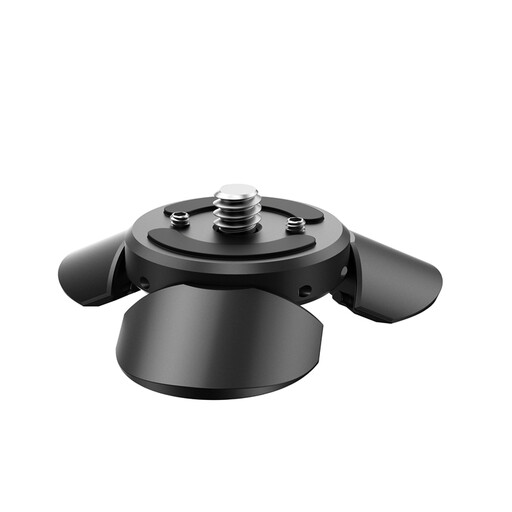
Why this product suits this user: Its compact design is suitable for smartphones, small action cameras and DJI Osmo Pocket models. The USB-C charging port and 1/4-Zoll thread make it easy to set up when you’re out and about.
Its stated suitability for small cameras makes it clear that it isn’t designed for heavy DSLRs or large video lights. This makes it easier to judge its load capacity.
Compact design, 1/4-Zoll screw socket and compatibility with several small recording devices.
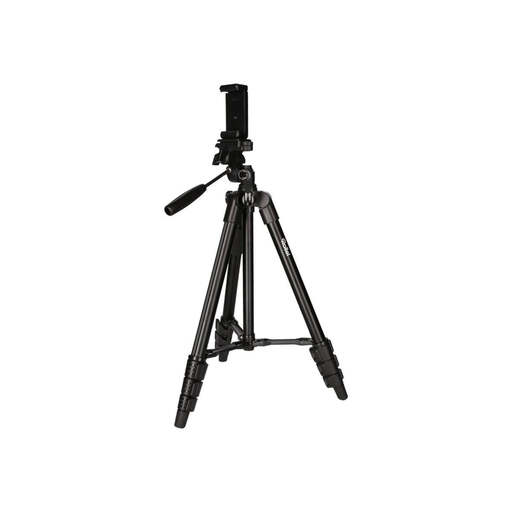
Why this product suits this user: This aluminium tripod comes with a smartphone holder, extends to a working height of 39 to 120 centimetres and has a built-in Bluetooth remote shutter.
The specifications state a maximum load capacity of 2 kg and indicate that it’s designed for use with smartphones. Take extra care in windy conditions due to its low weight.
595 g weight, 39 cm packed size, built-in spirit level and remote control with a range of up to 10 m.
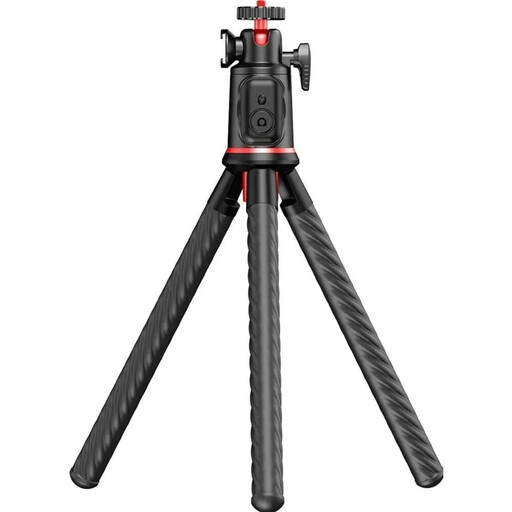
Why this product suits this user: This flexible tripod is designed for vloggers, outdoor users and content creators who want to attach their device to railings, branches or other suitable structures.
Its maximum load capacity of 2 kg and the need to wrap the legs securely around a structure set clear limits. Check that it’s firmly attached before letting go of your device.
Flexible legs, 360-degree ball head, cold shoe mount and built-in telescopic pole that doubles as a selfie stick.
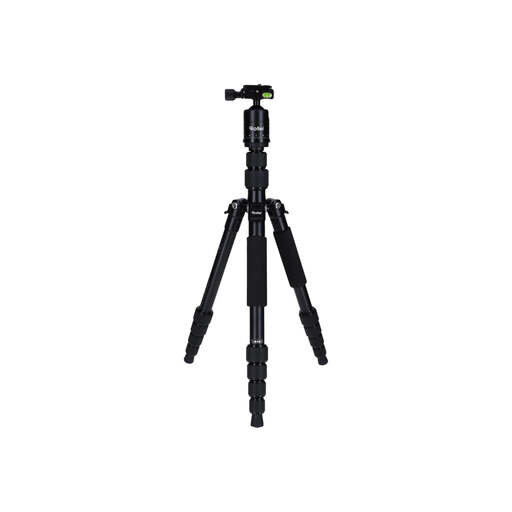
Why this product suits this user: If you want to use a compact digital camera or a lighter camera setup as well as your smartphone, this travel tripod offers a ball head and a higher stated load capacity.
Specifications including a 5 kg load capacity, 32 cm packed size and five leg sections make it easier to choose based on measurable criteria. In windy conditions, you can add weight to the hook for extra stability.
Working height of 32 to 134 cm, aluminium construction, panoramic ball head and 180-degree folding mechanism.
We’ve put together a complete, regularly updated list of products that meet these strict selection criteria and the safety regulations in force in the EU.
Follow these three steps before every shoot:
For electronic models with a battery, follow the relevant charging instructions. Don’t block gimbal motors, moving joints or LED lights while they’re in use. A tripod isn’t a toy, and coin cell batteries and small parts should be kept out of the reach of children.
A compact packed size, low weight and secure holder are key when travelling. A mini tripod fits into small bags, while a travel tripod such as the Rollei Compact Traveler gives you extra working height and a higher load capacity. When choosing, take the weight of your complete camera setup into account.
It depends on the connection and load capacity. A 1/4-Zoll thread is common on many compact cameras, but you should still check the maximum load. Heavy DSLR cameras or large lenses need a camera tripod designed for that purpose.
Its lifespan depends on the material, locks, how it’s transported and how much weight it carries. Regularly checking the screws and leg locks can help you spot anything loose early. After using the tripod outdoors, store it somewhere clean and dry. Exceeding its stated load capacity or regularly using it on uneven ground can speed up wear and tear.