
Lieferung heute & morgen

Qualitätsgarantie

Willkommens-Angebote freischalten: KOSTENLOSE Lieferung | Bis zu 80 % RABATT | Kostenlose 30-Tage-JoyPlus-Testphase
App herunterladen
A scratch on your screen is often caused not by a drop, but by keys, grains of sand or everyday contact with bags and surfaces. At the same time, an ill-fitting screen protector can affect touch functionality, lift at the edges or form bubbles underneath a case. When buying a smartphone screen protector, you should therefore look beyond marketing claims such as “extremely tough” or “invisible”.
A 9H tempered glass screen protector is often presented as completely shatterproof. However, this rating describes scratch resistance under a specific testing method. It does not mean the glass will remain undamaged after every drop. Even a product with a nominally higher hardness rating can develop cracks after a direct impact. A damaged screen protector should be replaced for safety and functionality reasons.
A full-cover screen protector covers the front of the phone almost to the edges. This can increase the level of protection, but may also cause problems if its dimensions are not matched to the smartphone case. A case-friendly screen protector deliberately leaves a small gap around the edges for the case. Before buying, check the model, screen shape and compatibility with the case you use.
A high-quality surface is of little use if dust gets trapped during installation. A screen protector with an installation frame or integrated fitting aid reduces alignment errors. The coating is equally important: an anti-fingerprint screen protector can reduce visible marks, but it does not replace regular cleaning. Matte or anti-glare surfaces reduce reflections, but may make the image look slightly different from a clear HD surface.
Tempered glass, in other words toughened glass, provides a firm, glass-like surface. It is suitable for users who prefer a typing experience that feels as close as possible to the original screen and who value scratch protection. Glass can break under heavy impact, potentially creating sharp edges.
Hybrid glass combines a glass layer with more flexible material components. This can make it slightly more adaptable to certain screen shapes. However, the name alone does not indicate how durable a particular product is. Check the material specifications, thickness, fit and installation method.
A TPU nano film is flexible and usually sits particularly closely against the screen. It is an option for curved or delicate screen contours, as well as for users who prefer a thin smartphone screen protector. It can provide protection against scratches and dirt, but does not offer the same rigid barrier as a glass product. No type of protector is completely indestructible.
The hardness rating should always be considered in the context of the product’s construction. For example, the following products are listed as 9H or 10H. These are product specifications, not a guarantee that the screen will remain undamaged after a fall.
Thickness also affects everyday usability. Thin models can be less noticeable, while an additional frame construction can cover the edges. Also check:
A privacy screen protector for Samsung Galaxy or other models limits visibility from side angles. This can be useful on trains, in cafés or at the office, but may affect how bright the screen appears. An AR coating reduces reflections under certain lighting conditions. For outdoor use, an anti-glare screen protector may be more suitable than an extremely glossy surface.
Camera protection is a separate accessory. A camera glass protector for Samsung Galaxy, iPhone or Realme should fit the camera module precisely and must not cover the lenses. Some products indicate that slight light refraction under specific light sources may be a possible physical property. This makes transparency, precise cut-outs and clean installation essential.
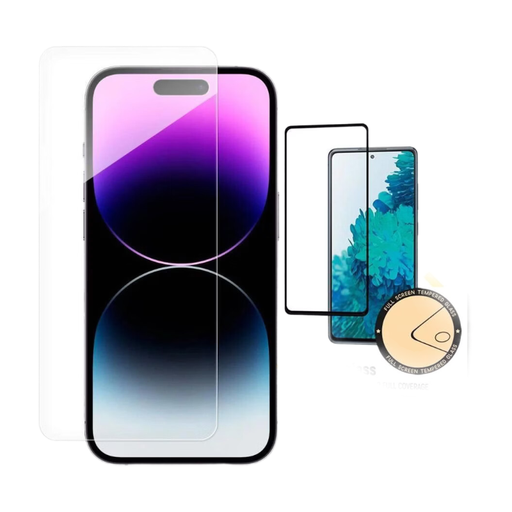
Why this product suits this profile: The flexible TPU film is designed for users looking for a thin smartphone screen protector with a precise fit and minimal added thickness.
The model specification refers to the Samsung Galaxy S25; accessories such as a cleaning cloth, dust remover and installation card help with alignment.
TPU nano material, transparent design and, according to the product specifications, adhesive-free installation with fewer bubbles.
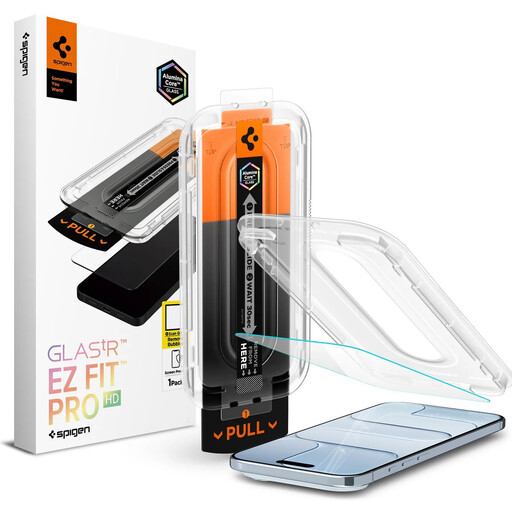
Why this product suits this profile: According to the product specifications, this iPhone screen protector combines 9H hardness, high transparency and an EZ-Fit installation aid for precise positioning.
The fitting tray reduces the risk of a crooked installation, while the stated case compatibility makes it easier to check against your smartphone case.
Aluminosilicate tempered glass, stated 9H hardness, oleophobic coating and fully retained touch sensitivity according to the product description.
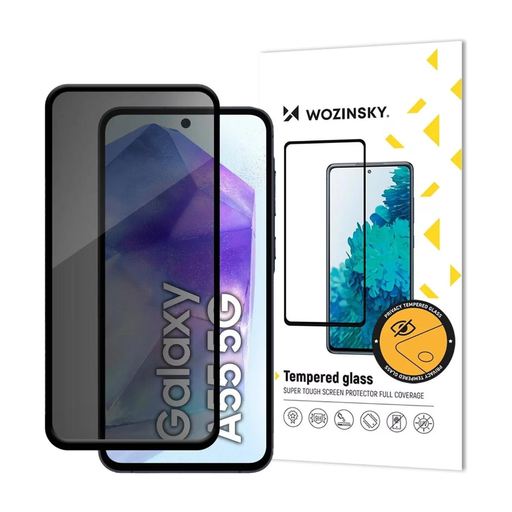
Why this product suits this profile: The integrated privacy filter is designed for users who frequently use their screen on public transport, at the office or while out and about.
Its specialist purpose is clear: rather than making a blanket protection claim, the focus is on restricting side-angle visibility.
Toughened glass with a stated 9H hardness, precise model compatibility and retained touch functionality according to the product description.
Why this product suits this profile: The AR coating is designed for users who often look at their screen in bright ambient light.
The product specifications state an AR coating, 10H hardness and specific in-box installation, rather than an unsubstantiated all-round guarantee.
Anti-reflective AR coating, full-cover design, electrostatic adhesion and anti-fingerprint surface according to the manufacturer’s specifications.
We have put together a complete, regularly updated list of products that fully meet these strict selection criteria and the safety regulations applicable in the EU.
Damaged glass, creased films or badly lifted edges should be replaced. Do not use metal tools for removal.
Tempered glass provides a firm surface and is often offered with 9H hardness. A TPU nano film is more flexible, thinner and may fit certain screen shapes more closely. The right choice depends on the model, case, preferred feel when using the phone and the level of coverage you want.
It is not possible to give a reliable fixed lifespan. Frequent use, keys in the same bag, impacts and cleaning products all affect durability. Replace the protector if you notice cracks, chips, deep scratches or lifted edges.
If the camera module protrudes from the back or is often placed on rough surfaces, a precisely fitting camera protector may be worthwhile. Before buying, check exact model compatibility and make sure the lenses, flash and sensors are not affected.