
Lieferung heute & morgen

Qualitätsgarantie

Willkommens-Angebote freischalten: KOSTENLOSE Lieferung | Bis zu 80 % RABATT | Kostenlose 30-Tage-JoyPlus-Testphase
App herunterladen
A smartwatch with blood pressure and blood oxygen monitoring sounds like a compact way to keep track of your health, training and everyday activity. However, it’s worth taking a closer look at what the features actually do before you buy. Not every model advertised as offering “health monitoring” automatically measures blood pressure. Many only include heart rate, oxygen saturation and sleep tracking.
This guide explains which specifications matter, the common marketing pitfalls to look out for and which models might suit different types of user.
An optical reading from the wrist is not the same as a medical blood pressure measurement taken with a cuff. Many fitness smartwatches also provide no information about their measurement method, calibration or accuracy. If the product description only mentions “health monitoring”, check whether blood pressure is explicitly listed as a feature.
The smartwatches featured in this guide focus mainly on heart rate monitoring, blood oxygen monitoring, sleep tracking and sports features. They cannot be used to diagnose or treat a medical condition.
An integrated sensor can provide an indication of your oxygen saturation. However, readings can be affected by factors including fit, movement, skin contact and your surroundings. A smartwatch with a pulse oximeter function is therefore primarily intended for tracking changes over time and for fitness use. If you have health concerns or get unusual readings, seek medical advice.
A large display is handy for notifications, but it can use more power. The quoted standby time may also differ from battery life when heart rate monitoring is switched on, you receive lots of messages or you train frequently. Look for specific details about daily use, charging method and notification features.
Before you buy, make sure the list of features is clear:
If you regularly need medically relevant blood pressure readings, consider using a blood pressure monitor designed for this purpose, with an upper-arm cuff. A fitness smartwatch cannot automatically replace one.
For a Bluetooth sports watch, smartphone compatibility, app support and the Bluetooth version are key. Also check whether calls, messages and app notifications are actually supported. An AMOLED smartwatch usually offers high-contrast visuals, while outdoor readability also depends on brightness and the watch face.
A smartwatch advertised as waterproof is not automatically suitable for swimming or diving. The stated protection rating, such as IP67, describes the intended protection against dust and temporary immersion, according to the manufacturer. For everyday wear, case size, strap width and an adjustable fit are also important. This applies equally to a smartwatch for women and men.
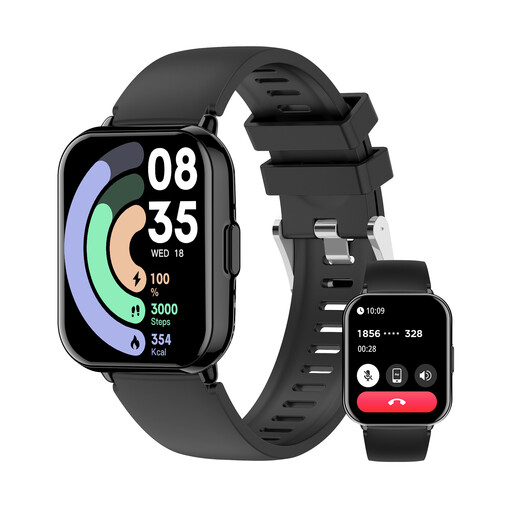
Why this product suits this user: This multifunctional watch combines Bluetooth calling with heart rate, blood oxygen, stress and sleep monitoring. It’s designed for anyone looking to bring several everyday features together in one device.
The listed features are clearly specified. However, blood pressure measurement isn’t included in the product information available, so you shouldn’t assume it’s supported.
Bluetooth calling, heart rate, blood oxygen and sleep monitoring in one watch.
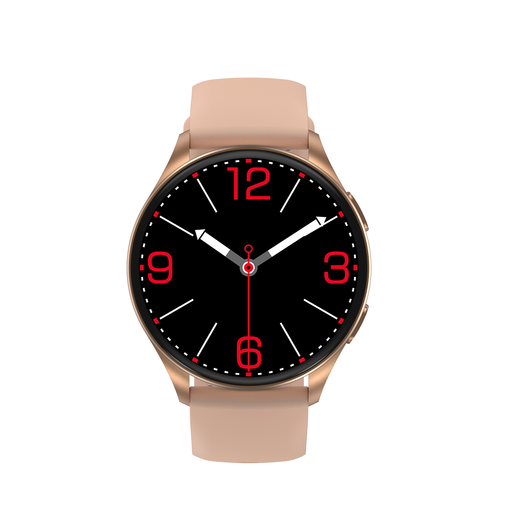
Why this product suits this user: Its 1.43-inch AMOLED display, with a resolution of 466 × 466 pixels and a stated peak brightness of 640 nits, is a good choice if you value a clear, well-organised display and a modern design.
The product specifications list the display resolution, brightness, Bluetooth 5.3 and battery capacity. The stated 5–7 days of daily use depends on which features are enabled.
AMOLED touchscreen, 380-mAh battery, Bluetooth 5.3, and heart rate and blood oxygen monitoring.
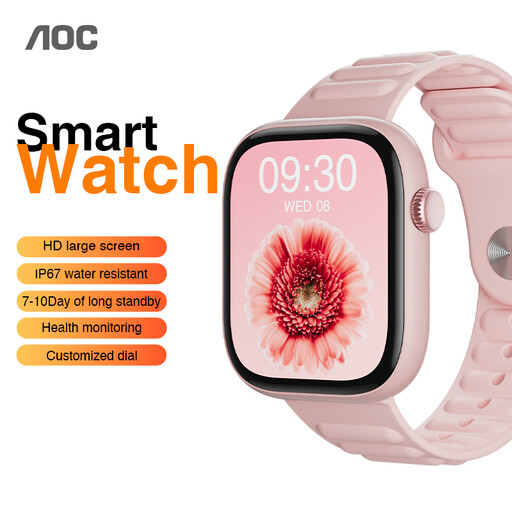
Why this product suits this user: Its 1.83-inch display, multiple workout modes and magnetic fast charging make it a good choice for active users who regularly check training data and notifications on their wrist.
The IP67 protection rating is clearly stated. This shouldn’t be taken to mean the watch is suitable for swimming in all circumstances.
Heart rate, blood oxygen and sleep monitoring, Bluetooth 5.3, IP67 and multiple sports modes.
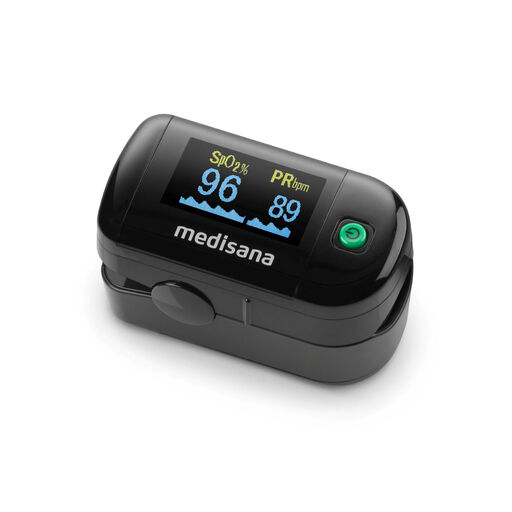
Why this product suits this user: If you don’t need a full-featured smartwatch, this finger pulse oximeter offers a focused way to measure SpO2 and pulse at home or on the go.
The device is specifically designed to measure oxygen saturation and pulse. It doesn’t replace a blood pressure measurement or a medical diagnosis.
OLED display, one-button operation, SpO2 measurement range of 70–100 % and automatic shut-off after eight seconds.
We’ve put together a complete, regularly updated list of products that meet these strict selection criteria and fully comply with the safety regulations in force in the EU.
It depends on the technology and the intended certification of the device. Many models estimate readings using optical sensors, while others don’t offer a blood pressure feature at all. For medically relevant readings, a suitable cuff-based blood pressure monitor is the more reliable choice. Check the product information about calibration and measurement methods before you buy.
Readings can be affected by movement, cold hands, a loose fit or poor skin contact. For the most consistent measurement, make sure the watch fits properly and keep your arm still. Unusual readings, especially if they happen repeatedly, should be discussed with a medical professional.
Battery life depends on display brightness, whether heart rate monitoring is enabled, workout tracking, Bluetooth calls and notifications. Claims such as “5–7 days of daily use” or longer standby times should therefore be understood as manufacturer figures based on specific conditions. Before buying, also compare charging time, charging method and the availability of replacement parts.