
Lieferung heute & morgen

Qualitätsgarantie

Willkommens-Angebote freischalten: KOSTENLOSE Lieferung | Bis zu 80 % RABATT | Kostenlose 30-Tage-JoyPlus-Testphase
App herunterladen
Finding the right men's smartwatch can quickly become overwhelming. The market is flooded with models that advertise countless features and impressive technical specs. But not every advertised feature delivers on its promise in daily use. As a Joybuy Product Recommendation Officer, I see every day which pitfalls lead to disappointment and unnecessary expenses.
This guide focuses on the crucial criteria that separate a good watch from an unsuitable one. We'll expose the most common marketing traps and show you what to look for to make an informed decision.
Before we dive into features, it's important to know the typical problems that often only surface after the purchase.
To avoid buyer's remorse, you should focus on three essential technical aspects. These determine the everyday usability and value of your new men's fitness watch.
Instead of just looking at the manufacturer's stated usage time in days, take a look at the battery capacity, specified in milliampere-hours (mAh). A higher mAh value is a good indicator of potentially longer runtime. Models with 400 mAh or more generally provide a solid foundation for several days of intensive use. Also, pay attention to how the watch is charged—a magnetic charging cable is more convenient and often more durable than a clamp-style solution or a built-in USB plug.
A smartwatch is only as good as its connection to your smartphone. Before buying, it's crucial to check if the watch is fully compatible with your operating system. While most models support both Android and iOS, the full range of features is often only guaranteed through the manufacturer's proprietary app. For a stable connection, Bluetooth 5.0 or higher is recommended. If you're looking for a smartwatch with call function, ensure it has a built-in microphone and speaker to make and receive calls directly on your wrist.
The display is your primary interface with the watch. A bright, high-resolution display (e.g., AMOLED or a good TFT panel) is more readable in direct sunlight. For an outdoor smartwatch, the materials are also crucial. A case made of a zinc or aluminium alloy and a display made of hardened glass offer better protection against impacts and scratches than purely plastic models. Physical buttons in addition to the touchscreen can make operation significantly easier when wearing gloves or in wet conditions.
Based on the criteria above, we have identified a few models that represent a smart choice for specific user groups.
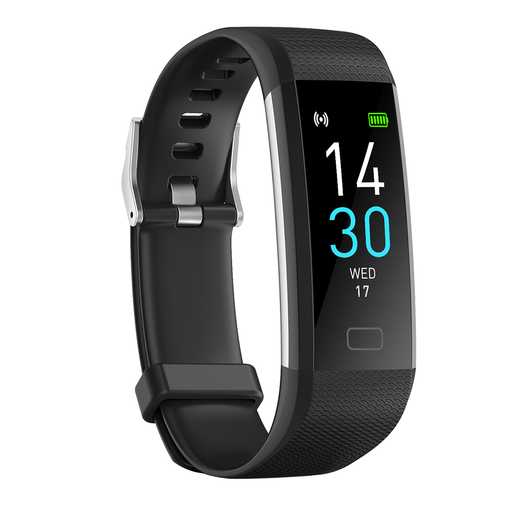
Why this model is a good fit: Ideal for users looking for essential health and fitness tracking features without paying for unused extras. The focus is on core functions like heart rate and SpO? monitoring, as well as the 16 most common sports modes.
This model avoids the pitfall of feature bloat. It focuses on the essentials and advertises a very long standby battery life, rather than making unrealistic claims for intensive use.
The manufacturer's stated standby time of up to 50 days is a clear statement. The integrated USB charging port makes a separate cable redundant.
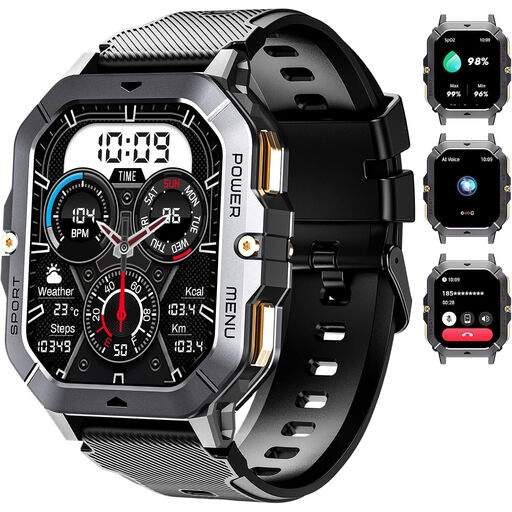
Why this model is a good fit: For men looking for a well-balanced sports watch for daily life and fitness. It offers a large display for excellent readability, Bluetooth calls for added convenience, and a wide selection of sports modes for various activities.
The product description specifies the battery capacity as 410 mAh, providing a transparent baseline for estimating battery life. It also explicitly warns against using the watch in saunas or hot water, which directly addresses the water resistance pitfall.
The large 2.02-inch display and the integrated smartwatch with call function set this model apart from simpler trackers. The ability to handle calls directly on the wrist is a real added value in everyday life.
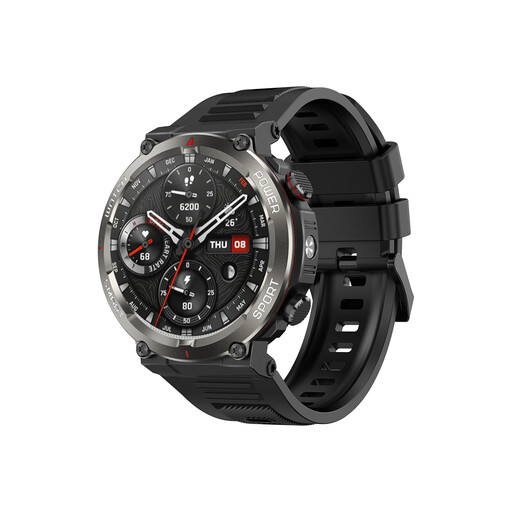
Why this model is a good fit: Designed for demanding conditions. The rugged construction, exceptionally high battery capacity, and practical outdoor features like a built-in LED flashlight make it a suitable outdoor smartwatch.
This model tackles the battery pitfall with an enormous capacity of 960 mAh. The manufacturer clearly distinguishes between over 100 days of standby and around 30 days of normal use—a transparent and realistic claim.
The combination of extremely long battery life, a robust aluminium alloy case, and three physical buttons for reliable operation is designed for outdoor activities and long tours without access to charging.
We have compiled a complete, up-to-date list of products that fully meet these strict selection criteria and German safety regulations.
1. How do I correctly connect my smartwatch to my smartphone? First, download the manufacturer's specified app (e.g., Da Fit, GloryFit) from your phone's app store. Activate Bluetooth on your smartphone. Then, open the app and follow the instructions to pair the watch. It's important to establish the connection through the app and not directly via the phone's Bluetooth settings, as some features may not sync otherwise.
2. What does the IP68 certification on a smartwatch really mean? IP68 is a standard that defines the degree of protection an enclosure provides against the ingress of foreign objects and water. The "6" stands for complete dust protection. The "8" means the device is protected against continuous submersion in clear water, with the exact depth and duration specified by the manufacturer (typically 1.5 metres for 30 minutes). However, this certification does not cover protection against saltwater, chemicals, hot water vapour (sauna), or high-pressure water.
3. Can I make phone calls with any men's smartwatch? No. To make calls directly from the watch, you need a smartwatch with call function. It must have a built-in microphone and speaker. Look for terms like "Bluetooth calls," "Bluetooth calling," or "calls on your wrist" in the product description. Models without this hardware can often only display or reject incoming calls.