
Lieferung heute & morgen

Qualitätsgarantie

Willkommens-Angebote freischalten: KOSTENLOSE Lieferung | Bis zu 80 % RABATT | Kostenlose 30-Tage-JoyPlus-Testphase
App herunterladen
The legal requirement for smoke detectors in Germany ensures that apartments and houses are equipped with fundamental fire protection. For many, however, the selection, installation, and maintenance of these devices represent a recurring hassle. A smoke detector with a 10-year battery offers a low-maintenance and reliable long-term solution. Instead of changing batteries annually, these models guarantee continuous operational readiness for an entire decade.
This article serves as your guide. We will explain the key features you should look for when making your choice and introduce you to various models that cover different needs—from interconnected systems for large houses to smart solutions with app connectivity.
To find the right device for your living situation, a few technical features are crucial. The following points will help you evaluate the functionality and suitability of a smoke detector.
The most important characteristic of a smoke detector is its reliability. The European standard DIN EN 14604 specifies the minimum requirements for product quality, testing procedures, and performance characteristics for smoke alarms. Always look for this certification mark on the product or its packaging. It ensures that the detector has passed essential safety and functional tests, such as an adequate alarm volume (at least 85 dB at a distance of 3 metres) and guaranteed functionality.
Most modern smoke detectors for residential use employ a photoelectric smoke detector (also known as an optical smoke detector). This technology works with a light beam inside the device. When smoke particles enter the detection chamber, the light beam is scattered and directed onto a sensor, which triggers the alarm. This method is considered particularly effective for detecting smouldering fires, which develop slowly and produce a lot of smoke. Another advantage is the lower susceptibility to false alarms caused by cooking fumes or steam from the bathroom.
Depending on the size and layout of your property, a single fire alarm may not be enough to warn all occupants in time. This is where interconnected models come into play:
Based on the criteria mentioned, we have compiled a selection of models suitable for different use cases.
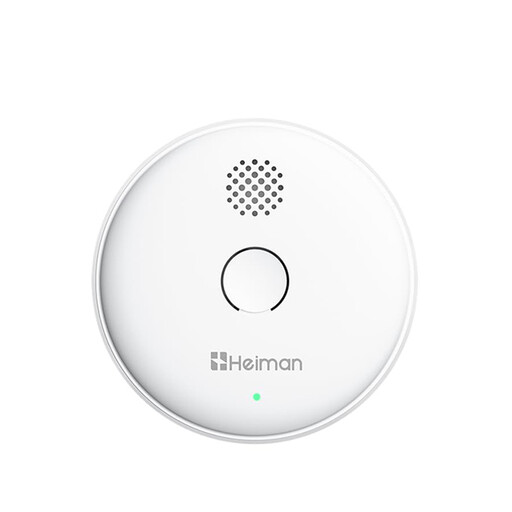
What sets this model apart The strength of this model lies in its wireless networking capability. According to the manufacturer, up to 40 of these wireless interlinked detectors can be paired together. If one device triggers an alarm, all other detectors in the network activate simultaneously. This ensures a comprehensive, building-wide alert.
Features
Who is it for? This model is an excellent choice for owners and residents of multi-storey single-family homes, large apartments, or buildings with separate living areas where a single alarm might not be heard everywhere.
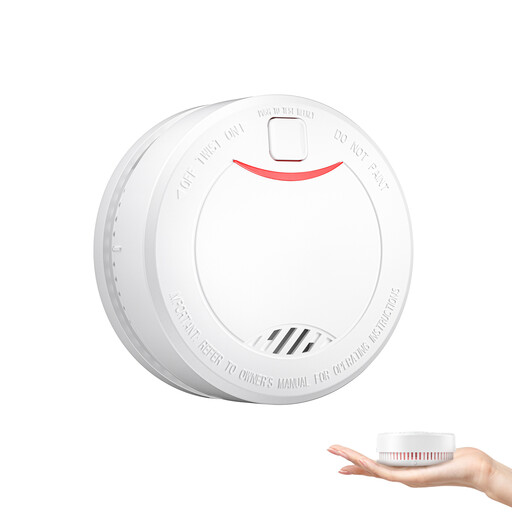
What sets this model apart This model is a classic standalone fire alarm designed for reliability and ease of use. It uses a photoelectric sensor that effectively responds to smouldering fires and reduces the likelihood of false alarms. The permanently integrated battery ensures continuous operational readiness over its entire 10-year lifespan.
Features
Who is it for? Ideal for tenants and owners of standard apartments or for equipping individual rooms such as bedrooms, children's rooms, and hallways. It is a straightforward and compliant solution for anyone seeking reliable, low-maintenance basic protection.
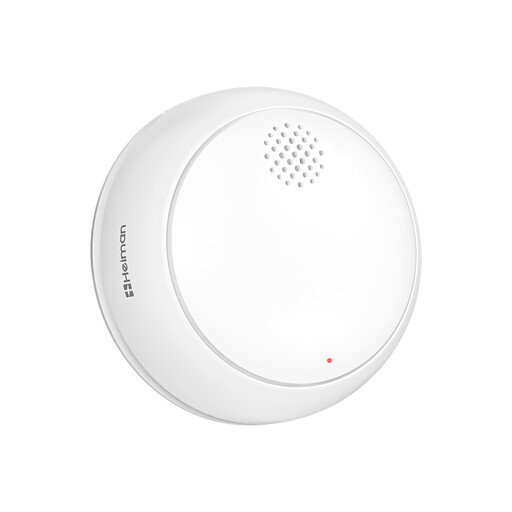
What sets this model apart As a smart smoke detector, this device integrates into your Wi-Fi and offers advanced features via a smartphone app. In case of a fire, you not only get an audible alarm on-site but also an instant push notification to your mobile phone. This keeps you informed about the situation at home, even when you're away.
Features
Who is it for? This model is aimed at tech-savvy users, smart home owners, and anyone who values the added protection of remote notifications. It is particularly useful for people who travel frequently or want to monitor their property remotely.
The models presented here cover common use cases. However, if you are looking for specific designs, other brands, or additional features, you will find a wider selection in our broader product category.
Discover more models in our Security Sensors category.
Although the battery is designed to last for 10 years, the smoke detector requires regular maintenance. Manufacturers generally recommend checking its functionality once a month by pressing the test button. Additionally, the device's vents should be regularly cleaned of dust and debris to ensure the sensor's functionality. After 10 years, the entire unit must be replaced, as the sensor's performance can degrade over time.
The requirement for smoke detectors is regulated in the state building codes (Landesbauordnungen) of the individual federal states, so details may vary slightly. However, the general rule for all states is that bedrooms, children's rooms, and hallways that serve as escape routes from living areas must be equipped with at least one smoke detector. For precise information, you should consult the building code applicable to your state.
DIN EN 14604 is a European product standard for smoke alarms. A device certified according to this standard has passed a series of tests that guarantee its reliability and safety. These include the alarm volume, the sensor's response threshold, resistance to corrosion and vibration, and the clarity of the warning signals. Purchasing a device with this seal is a fundamental prerequisite for reliable fire protection.