
Lieferung heute & morgen

Qualitätsgarantie

Willkommens-Angebote freischalten: KOSTENLOSE Lieferung | Bis zu 80 % RABATT | Kostenlose 30-Tage-JoyPlus-Testphase
App herunterladen
The legal requirement for smoke detectors in Germany underscores the necessity of securing living areas and bedrooms. However, choosing the right device can be a challenge given the vast array of models and features. This guide is designed to help you understand the key criteria and make an informed decision to effectively protect your home, holiday apartment, or motorhome. We will examine not only traditional smoke detectors but also the often-overlooked danger of carbon monoxide.
The right choice depends on your living conditions and personal requirements. Three central aspects will help guide your decision.
A common misconception is that a smoke detector also protects against carbon monoxide (CO). This is not the case. These are two different hazards that require separate detectors.
Reliability is the top priority for safety devices. Look for recognised standards that guarantee tested functionality.
Modern smart home security goes beyond a loud alarm. Connected hazard detectors offer additional features that are particularly beneficial for tech-savvy users or for when you're away.
A Wi-Fi CO detector or smoke detector connects to your home network and, in case of an alarm, sends a notification directly to your smartphone via apps like Tuya or SmartLife. This keeps you informed of potential danger even when you're on the go, allowing you to react immediately. This enhances the security of your property and enables you to organise help quickly in an emergency.
Based on the criteria mentioned, we have compiled a selection of models that cater to different needs.
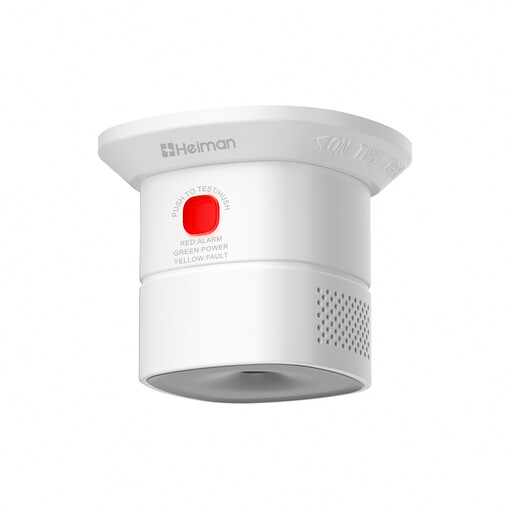
Why It Stands Out: This model combines safety with aesthetics. Winning the Red Dot Design Award confirms its unobtrusive and modern design, which blends seamlessly into any living environment without looking like an obtrusive eyesore.
Benefits at a Glance:
Who Is It For? Ideal for design-conscious users who value aesthetic integration into their living concept. Its compact size also makes it perfectly suited for use in motorhomes, holiday apartments, or hotel rooms.
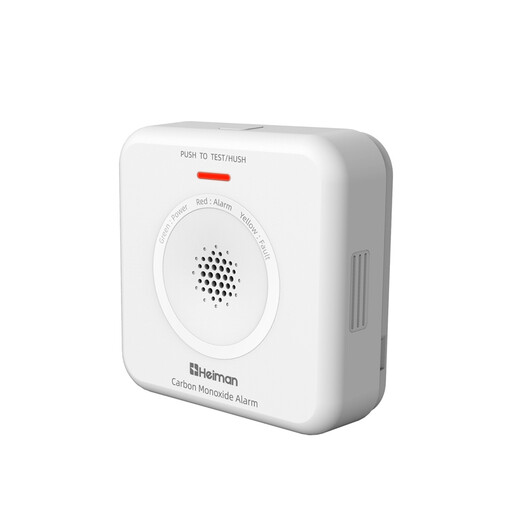
Why It Stands Out: This Wi-Fi CO detector brings safety into the digital age. Integration with the Tuya & SmartLife App allows you to stay informed about your home's safety status anytime, anywhere. The combination of a long sensor life and smart features makes it a future-proof solution.
Benefits at a Glance:
Who Is It For? Perfect for users of smart home systems and anyone who wants peace of mind that everything is okay at home, even when they are away. Also a great choice for owners of holiday properties who want to check the status remotely.
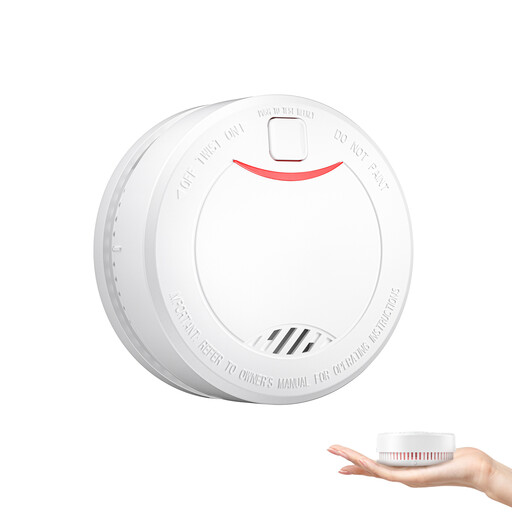
Why It Stands Out: This model focuses on maximum reliability and minimal maintenance. The sealed battery with a declared lifespan of 10 years and its certification according to DIN EN 14604 make it a hassle-free solution for complying with the legal requirement for smoke detectors.
Benefits at a Glance:
Who Is It For? An excellent choice for homeowners, apartment owners, and landlords looking for a reliable, low-maintenance, and legally compliant solution for living rooms, bedrooms, and children's rooms.
The models featured here cover key use cases. If you are looking for more specialised devices or alternative designs, you can find a broader selection in our category.
? Discover more Safety & Security Tools here
1. Where must smoke detectors be installed? The exact regulations vary by region, but as a general rule, they are mandatory in all bedrooms and children's rooms, as well as in hallways that serve as escape routes from these rooms. They are typically mounted on the ceiling in the middle of the room.
2. Do I need a CO detector if I already have smoke detectors? Yes, because smoke detectors and CO detectors warn of different dangers. A smoke detector reacts to smoke particles from a fire, while a CO detector detects the invisible and odourless gas, carbon monoxide, which is produced during incomplete combustion processes (e.g., from a gas boiler or a fireplace). For comprehensive protection, both types of detectors are recommended.
3. What does a 10-year battery life mean for a smoke detector? A smoke detector with a 10-year battery has a sealed lithium battery that powers the device for its entire recommended service life. This means you do not have to change the battery annually. After 10 years, the entire unit must be replaced, as the sensor also ages and its reliability decreases.