
Lieferung heute & morgen

Qualitätsgarantie

Willkommens-Angebote freischalten: KOSTENLOSE Lieferung | Bis zu 80 % RABATT | Kostenlose 30-Tage-JoyPlus-Testphase
App herunterladen
Purchasing a smoke detector is more than just fulfilling a legal requirement. It's a fundamental decision for the safety of your home. Models with a 10-year battery are particularly appealing, promising a low-maintenance, long-term solution. However, the market can be confusing, and not every product lives up to its claims. Before you decide, it's crucial to understand the common pitfalls that can lead to a poor purchase.
As your Joybuy Product Recommendation Officer, I'll help you cut through the technical jargon and marketing promises so you can make an informed choice.
Many buyers focus on superficial features and overlook crucial details. You should avoid these three common mistakes:
To find a reliable 10-year fire detector, you should focus on three core technical aspects. These form the basis for safe, compliant operation.
This certification is non-negotiable. A smoke detector EN 14604 has undergone a rigorous testing process. The standard ensures that:
As mentioned, the photoelectric (or optical) sensor is the established technology for home use. Inside the device, there is a light source (LED) and a light-sensitive sensor. When smoke enters the sensing chamber, the light beams are scattered and directed onto the sensor, which triggers the alarm. This method is particularly effective at detecting the smoke particles produced by smouldering fires—the most common cause of residential fires.
For larger apartments, houses with multiple floors, or for landlords, connectivity is a crucial factor.
Instead of making a one-size-fits-all recommendation, we have selected products tailored to specific needs and living situations.
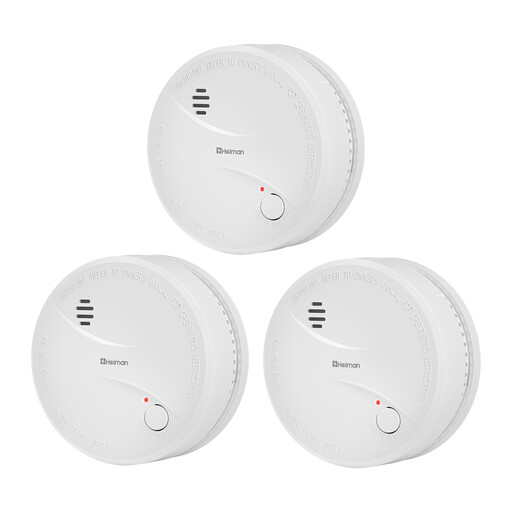
Why This Fits Their Persona: Ideal for the compliant basic setup of a standard apartment. The 3-pack covers the bedroom, children's room, and hallway, offering an economical solution without compromising on core requirements.
This model is explicitly certified to DIN EN 14604 and uses a photoelectric sensor. The sealed long-life lithium battery is matched to the device's lifespan.
Complete set to meet mandatory smoke detector requirements in an average apartment. Low-maintenance operation for 10 years.
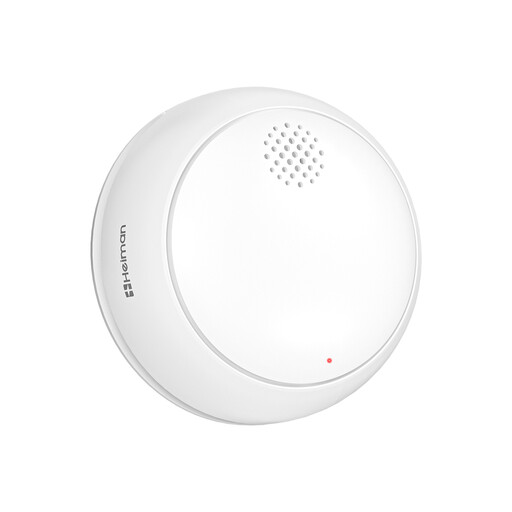
Why This Fits Their Persona: Perfect for users who want to stay informed about their home's safety, even while on the go. The app integration offers a high degree of control and convenience.
This model is also certified to EN 14604. The app functionality provides a modern approach to monitoring and bypasses the problem of unnoticed alarms when no one is home.
Real-time notifications on your smartphone in case of an alarm. Convenient silence function via the app.
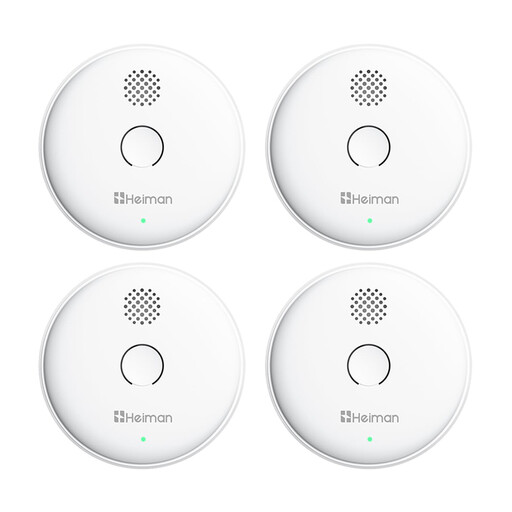
Why This Fits Their Persona: For multi-story homes or rental properties where an alarm needs to be heard throughout the entire building. The radio interconnection ensures a seamless alarm chain.
This radio-interlinked smoke detector set is certified to EN 14604 and features a 10-year battery. It solves the problem of inadequate alerting in large or complex buildings.
Wireless interconnection of up to 40 devices. If one detector sounds, all others will alarm as well. Ideal for comprehensive protection.
We have compiled a complete, up-to-date list of products that fully meet these strict selection criteria and safety regulations.
1. How many smoke detectors do I need for my apartment or house? Specific regulations vary by local building codes. As a general rule, at least one smoke detector must be installed in every bedroom, children's room, and in hallways that serve as escape routes. For optimal protection, an additional detector is recommended on each floor.
2. Where is the correct place to install a smoke alarm? The ideal location is on the ceiling in the center of the room. Maintain a distance of at least 50 cm (20 inches) from walls, ceiling beams, or light fixtures. Do not install smoke detectors in kitchens, bathrooms, or garages, as steam, fumes, dust, and exhaust gases can cause false alarms.
3. Do I still need to test a smoke detector with a 10-year battery? Yes, absolutely. The battery life specification only refers to the power source. The electronics and the sensor must be checked regularly. To do this, press the test button on the device once a month, or as per the manufacturer's instructions. A short, loud beep will confirm that it is functioning correctly.