
Lieferung heute & morgen

Qualitätsgarantie

Willkommens-Angebote freischalten: KOSTENLOSE Lieferung | Bis zu 80 % RABATT | Kostenlose 30-Tage-JoyPlus-Testphase
App herunterladen
The installation of smoke detectors is a legal requirement in many regions and a cornerstone of home safety. With a vast array of models on the market, the selection process can quickly become overwhelming. This guide will help you navigate the options, introducing various types of smoke alarms to simplify your decision. We focus on objective criteria such as certifications, battery life, and feature sets.
To make an informed decision, it's important to understand a few key technical features and standards. The following points will help you evaluate the different characteristics of smoke detectors.
A crucial quality indicator for any smoke detector is its certification to the European product standard EN 14604. This standard ensures the device meets fundamental requirements for function, reliability, and durability. These include the alarm volume (at least 85 dB at a distance of 3 metres), its response to smoke, and its resistance to environmental factors. Always look for this certification mark on the packaging or in the product description.
Traditional smoke detectors require annual battery changes. Modern devices offer far more convenience. A smoke detector with a 10-year battery is equipped with a sealed lithium battery that provides power for the entire lifespan of the unit. This not only reduces maintenance but also prevents a gap in protection caused by an unnoticed dead battery. After ten years, the entire device is replaced.
For tech-savvy users and owners of larger properties or holiday homes, a Wi-Fi smoke detector can be a smart investment. These devices connect to your home network and send a notification directly to your smartphone in the event of an alarm. A smoke detector with an app allows you to be alerted to a potential fire, check the device's status, or silence a false alarm, even when you're away from home.
Here, we present a selection of models that cater to different needs—from a connected smart home device to a compact, standard alarm.
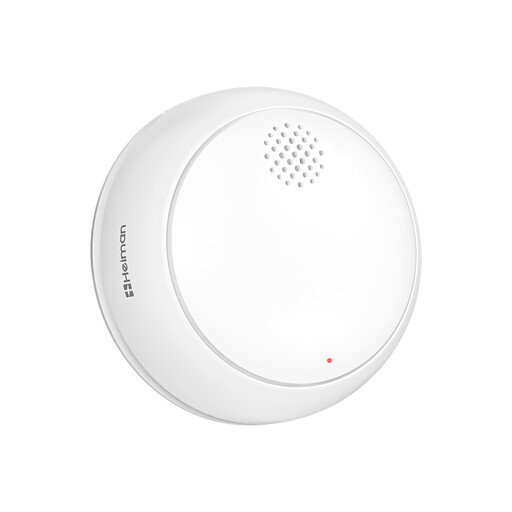
Why it stands out: This model combines the classic function of a fire alarm with the benefits of modern connectivity. App notifications provide an extra layer of security, especially when no one is home.
Pros:
Who it's for: Users who value remote monitoring and want to integrate their safety devices into a smart home system. Ideal for homeowners who travel frequently.
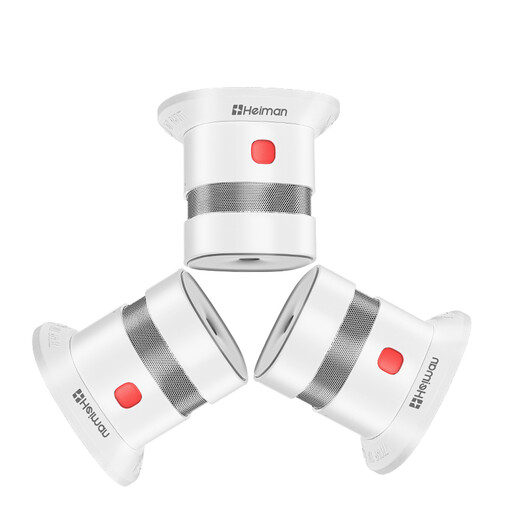
Why it stands out: This smoke detector set offers a hassle-free, low-maintenance solution for outfitting multiple rooms or an entire apartment. The mini smoke detector is particularly inconspicuous and blends discreetly into any home decor.
Pros:
Who it's for: Renters and homeowners looking for a reliable, long-lasting, and easy-to-install solution without smart features. The set is perfect for initial setup or for completely replacing older devices.
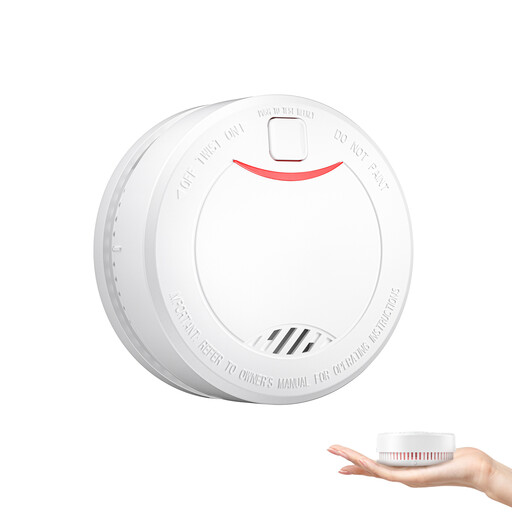
Why it stands out: This model is a classic and robust fire alarm that focuses on the essentials: reliable smoke detection over a long lifespan. Its certification to DIN EN14604 confirms its compliance with current safety standards.
Pros:
Who it's for: Users who need a practical, compliant fire safety solution without connectivity. Suitable for bedrooms, living rooms, hallways, and basements in apartments and houses.
If the models presented here don't perfectly match your requirements, or if you're looking for other home safety solutions, you can find a wider selection in our Feuerwerk category.
Regulations for mandatory smoke detectors are often defined by local or state building codes, and specifics can vary. As a general rule, they are required in bedrooms, children's rooms, and hallways that serve as escape routes from living areas. For optimal placement, mounting on the ceiling in the centre of the room is recommended.
Maintenance is straightforward but essential. Once a month, press the test button on the device to check the alarm and battery function. Keep the surface of the detector clean and free of dust, as this can interfere with the sensors. For devices with a 10-year battery, battery replacement is not necessary; the entire unit must be replaced at the end of its manufacturer-specified lifespan.
Photoelectric smoke detectors, also known as optical smoke detectors, work using a beam of light inside the device. When smoke particles enter the sensing chamber, they scatter the light beam, redirecting it onto a sensor, which triggers the alarm. This technology is particularly sensitive to smouldering fires, which spread slowly with a great deal of smoke—a common type of fire in residential homes. They are also less prone to false alarms from cooking fumes than other sensor types.