
Lieferung heute & morgen

Qualitätsgarantie

Willkommens-Angebote freischalten: KOSTENLOSE Lieferung | Bis zu 80 % RABATT | Kostenlose 30-Tage-JoyPlus-Testphase
App herunterladen
A smoothie blender should reliably process fruit, vegetables, ice and frozen ingredients, while taking up as little space as possible. In practice, however, choosing the right model depends on more than just wattage and brand name. The design, jug or cup, safety features and how you plan to use it are all important.
Motor power is often presented as the most important selling point. But wattage alone doesn’t tell you how efficiently ingredients will be blended. Blade design, jug shape, speed, pulse function and recommended operating time all play a part too.
A personal blender with 600 to 900 watts may be a good choice for individual smoothies and shakes. For larger quantities or frequent blending of hard ingredients, a countertop blender with a larger jug and more power in reserve may be more suitable. You should also avoid assuming that claims such as ‘Peak Power’ mean the same as continuous rated power.
A blender with to-go cups can save time if you can blend directly in the cup you’ll drink from. Even so, check the following:
A portable battery-powered blender offers extra flexibility, but needs to be charged regularly. A compact mains-powered kitchen blender, on the other hand, doesn’t depend on battery charge and is often more convenient in the kitchen.
The description blender for crushing ice doesn’t automatically tell you what quantity or size of ice is suitable. Some appliances are designed for short pulses with just a few ice cubes, while others have a dedicated ice-crush function. Check the guidance on maximum capacity, adding liquid and operating time before buying and before each use.
For individual shakes, juices and soft fruit, a power output of around 300 to 700 watts is enough for many appliances. When blending frozen fruit, nuts or ice, suitable blade design and a pulse function are just as important, if not more so.
If you’re making several portions one after another, check the permitted operating time. Some personal blenders can only run for around 60 seconds at a time, while others allow longer, but still limited, operating periods. Overheat protection can switch off the motor automatically if it’s overloaded. This is a safety feature, not an indication that the appliance can run for as long as you like.
A 500 to 700 millilitre cup is typically suitable for a single portion. For families, soups, several smoothies or larger quantities, around 1.2 to 1.8 litres is more practical. Remember to check the maximum fill line: the stated capacity isn’t always the same as the usable capacity.
A compact smoothie blender is a good fit for small kitchens, student accommodation or motorhomes. A countertop blender with a large jug needs more worktop and storage space, but offers greater capacity. If you often switch between individual portions and family-sized quantities, consider a model that comes with several containers.
For containers, BPA-free is an objectively verifiable material feature, but it doesn’t replace checking the rest of the product information. Tritan, stainless steel and plastic differ in weight, resistance to breakage, heat sensitivity and care requirements.
Also look for:
Many compact appliances aren’t suitable for hot liquids. Steam and pressure can lift the lid. When cleaning sharp blades, always keep your hands clear of the cutting edge and unplug the appliance first.
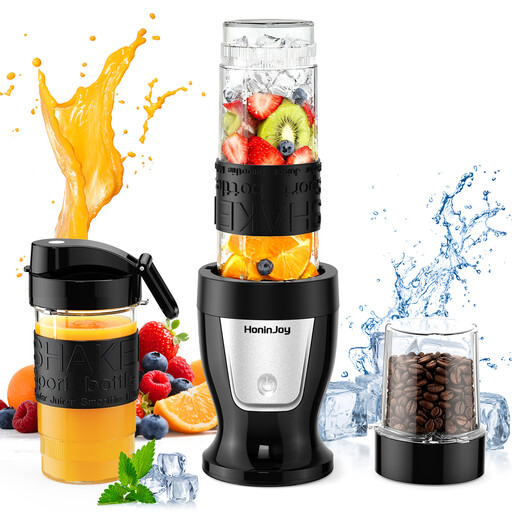
Why it suits this user: This compact set is designed for anyone making individual shakes, smoothies or juices who’d also like to use a grinder.
The product information specifies a pulse function, overheat protection, a locking mechanism and non-slip silicone feet. This means key safety features are clearly described.
650-watt peak motor, two BPA-free cups in 20 and 14 oz sizes, plus an additional grinding cup.
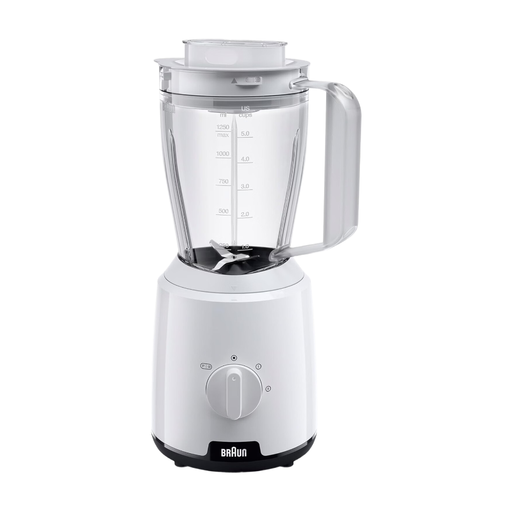
Why it suits this user: This 1.5-litre countertop blender is a good choice for households that want to blend larger quantities, purées and frozen ingredients using straightforward controls.
Features include a dedicated ice-crush function, two speeds plus Pulse, and a three-part safety system.
600-watt motor, 1.5-litre jug, BPA-free plastic and removable parts that are dishwasher-safe.
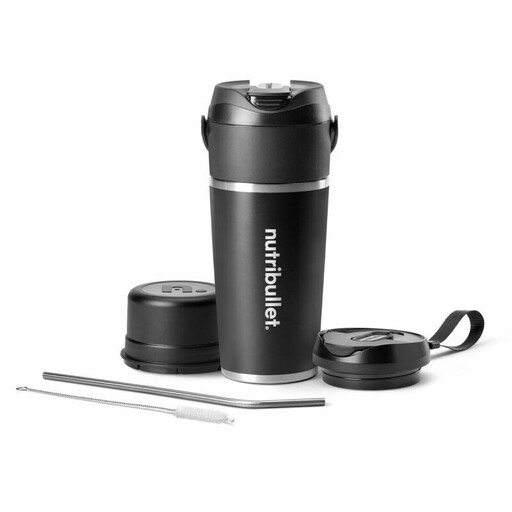
Why it suits this user: This portable, battery-powered blender is designed for use at the office, gym or while travelling, as well as in small kitchens without a dedicated workspace.
The product details specify USB-C charging, the maximum operating time per cycle and a 590 ml capacity. This makes it easier to plan realistically for use on the go.
Insulated stainless steel cup, USB-C rechargeable battery and, according to the product information, more than 14 blending cycles per full charge.
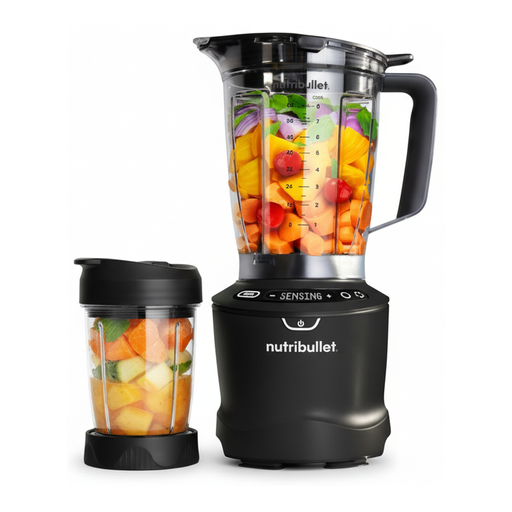
Why it suits this user: This set is a good fit if you switch between larger batches and individual portions and need several speed settings.
The features include five speeds, Pulse, automatic programmes and clear guidance on fill levels, cleaning and operating time.
1500-watt motor, 1.8-litre jug and additional to-go cups holding 946 and 710 millilitres.
We’ve put together a complete, regularly updated list of products that meet these strict selection criteria and fully comply with the safety regulations applicable in the EU.
Look for a clearly specified ice-crush function, a pulse function and specific guidance on the permitted quantity of ice or ingredients. A personal blender may be enough for individual portions. For larger quantities on a regular basis, a countertop blender with a larger jug is a better choice.
You can’t determine an appliance’s lifespan from its wattage alone. It depends on how often you use it, the ingredients, how you clean it and whether you follow the recommended operating intervals. Overloading, continuous operation and hard objects not approved by the manufacturer can put strain on the motor and blades. Read the instruction manual and let the appliance cool down between cycles.
Electricity costs depend on the power consumption and the actual operating time. A 600-watt appliance running for ten minutes uses around 0.1 kWh. Smoothies are usually prepared in short bursts, so the operating time is often brief. For battery-powered models, also consider charging time, battery wear and whether charging accessories are available.