
Lieferung heute & morgen

Qualitätsgarantie

Willkommens-Angebote freischalten: KOSTENLOSE Lieferung | Bis zu 80 % RABATT | Kostenlose 30-Tage-JoyPlus-Testphase
App herunterladen
A smoothie maker should quickly turn fruit, vegetables, frozen ingredients or protein powder into a drink that’s ready to enjoy. In practice, though, some buying decisions can lead to unnecessary costs. A compact appliance isn’t automatically suitable for ice, a large jug may not suit your needs, and a claimed battery life doesn’t necessarily reflect how long it will last in everyday use.
This buying guide explains which technical details matter, which designs suit different everyday situations and how to avoid common buying mistakes.
A powerful motor can be useful for hard or frozen ingredients, but it’s only one part of the picture. Blade design, jug shape, permitted running time and recommended ingredient quantity are just as important. A small cordless blender may be suitable for soft fruit, while a countertop blender with a larger motor is better equipped to handle ice cubes or nuts.
If you’re choosing a personal blender to take out and about, make sure the lid, seal and drinking top work well together. A simple screw-on lid may be enough for carrying it, as long as it’s closed properly. A travel cup with a dedicated drinking spout is more practical if you want to drink straight from the blending cup.
Many appliances come with dishwasher-safe cups, but not every motor unit or blade assembly can go in the dishwasher. Never immerse the electrical base of a cordless blender in water. It’s important to know which parts are removable and which make up the motor unit.
A compact mini blender is often enough for smoothies made with banana, berries, yoghurt or liquid. If you regularly want to blend frozen fruit or ice cubes, check the following:
A large countertop blender with several speed settings is suitable for family-sized portions and frequent use. A portable blender, on the other hand, usually makes one portion at a time and takes up less worktop space.
For a single serving, 475 to 700 millilitres is usually a handy size for everyday use. A 900-millilitre cup can be useful if you want to make a larger portion or prepare a drink for later. For several people, consider appliances with a capacity of around 2 litres.
Also check whether the blending cup can double as a drinking cup. A blender with a travel cup means less pouring and less washing up.
When it comes to plastic containers, it’s important to check the material details. Several of the products listed here use BPA-free Tritan or BPA-free plastics. This helps you compare materials, but you should still check the care instructions and temperature limits.
A USB-C blender is handy if you already have a compatible charger. Even so, check:
A cordless blender is particularly handy for the office, gym or travelling. For everyday use at home, a corded smoothie maker often provides more consistent power.
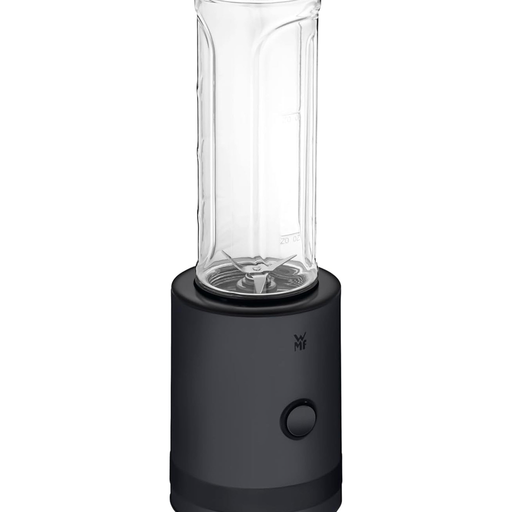
Why it suits this profile: This corded mini blender is ideal for making individual portions at home. It comes with two 0.6-litre containers that can also be used as drinking cups.
The product description specifies 300 watts, 23,000 revolutions per minute and suitability for crushing ice. The containers are dishwasher-safe.
Two 600 ml travel cups, stainless steel blades and a safety cut-out.
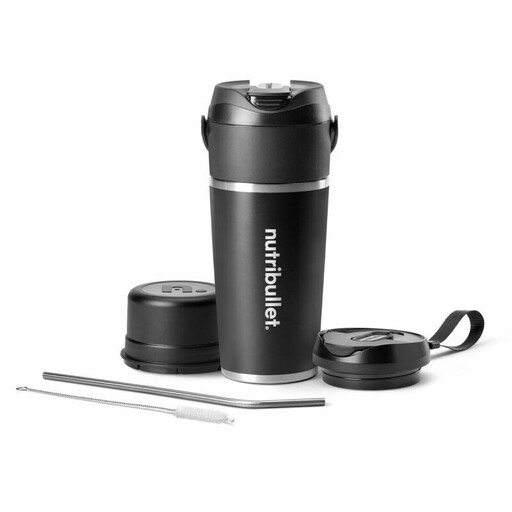
Why it suits this profile: This portable blender combines battery operation with an insulated stainless steel cup and drinking lid, making it a handy choice for the office, gym or travelling.
The specifications list an 11.1-volt battery, USB-C charging and short blending cycles. For ice, the stated maximum is three to four cubes per use.
590 ml insulated stainless steel cup, carry handle and, according to the product details, more than 14 cycles per charge.
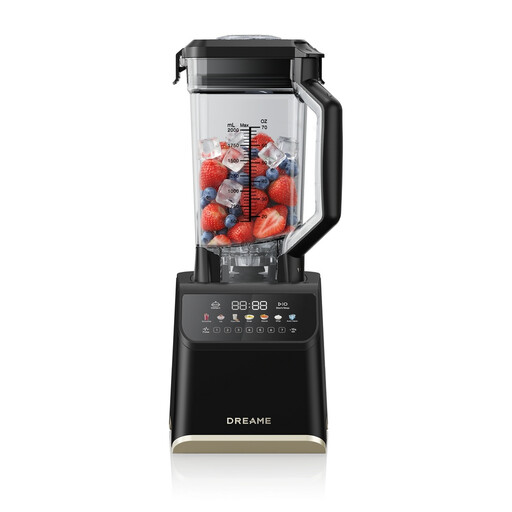
Why it suits this profile: This countertop blender is designed for households that regularly prepare larger quantities, frozen ingredients and a variety of recipes.
The product specifications list 2,000 watts, eight stainless steel blades, nine programmes and seven speed settings. It also has an Auto-Clean programme for cleaning.
2.0-litre jug plus a 700 ml travel cup, BPA-free Tritan and dedicated programmes for smoothies, ice and cleaning.
We’ve put together a complete, regularly updated list of products that meet these strict selection criteria and fully comply with the safety regulations in force in the EU.
Compact appliances are often enough for soft fruit and protein shakes. If you regularly blend ice cubes, nuts or frozen fruit, also check the blades, pulse function, stated ice-crushing capability and permitted running time. Wattage alone isn’t a reliable way to compare blenders.
Battery life depends on battery capacity, ingredients, blending time and charging habits. Product claims such as ‘more than 14 cycles’ refer to specific conditions, usually short automatic programmes. To help the battery and motor unit last, keep them dry and only charge the blender with the supplied cable.
A corded blender uses relatively little electricity for a short blending session. A cordless blender also needs charging, but the energy used is still modest if you only use it occasionally. Running costs mainly depend on how often you use it, blending time and motor power.