
Lieferung heute & morgen

Qualitätsgarantie

Willkommens-Angebote freischalten: KOSTENLOSE Lieferung | Bis zu 80 % RABATT | Kostenlose 30-Tage-JoyPlus-Testphase
App herunterladen
A smoothie maker should reliably process fruit, vegetables, ice and nuts without becoming an unused kitchen appliance. Before buying, it is therefore worth taking a close look at the motor power, container, controls and cleaning requirements. A high wattage alone says little about whether a machine is suitable for your recipes.
Poor purchases are often caused by three typical marketing traps:
A countertop blender with 500 to 600 watts may be suitable for soft fruit, liquids, shakes and many everyday foods. For frozen ingredients, nuts or frequent ice crushing, the blade design, pulse function and instructions in the user manual are also relevant.
A high-performance blender with 900 watts or more will generally offer greater power reserves. However, that does not automatically mean better results for every recipe. Look for:
For example, the Bear Table Blender LLJ-B12K1 is listed with a 500-watt motor, four stainless-steel blades, a pulse function and a minimum quantity of 300 millilitres. Usage information like this is more useful when making a purchase decision than wattage alone.
For a single portion, a personal blender or mini blender with a capacity of around 500 to 700 millilitres is often sufficient. Busy professionals and sports enthusiasts can benefit from a container that can be used directly as a drinking cup. For families or multiple portions, a classic smoothie blender with a capacity of 1.2 to 1.8 litres is more suitable.
You should also check:
BPA-free describes the material specified by the manufacturer and is not a general quality rating. For hot liquids, follow the instructions in the user manual. Several of the appliances mentioned here prohibit blending hot liquids.
A good electric chopper or blender should be easy to clean after use without complicated disassembly. Removable blades, dishwasher-safe cups and a cleaning brush make the routine easier. However, the motor base should never be immersed in water.
Look for a safety lock, non-slip feet and clear assembly of the blade or cup unit. A blender with a grinder can take on additional tasks, such as chopping spices or coffee beans. The grinding container should only be used within the limits specified by the manufacturer.
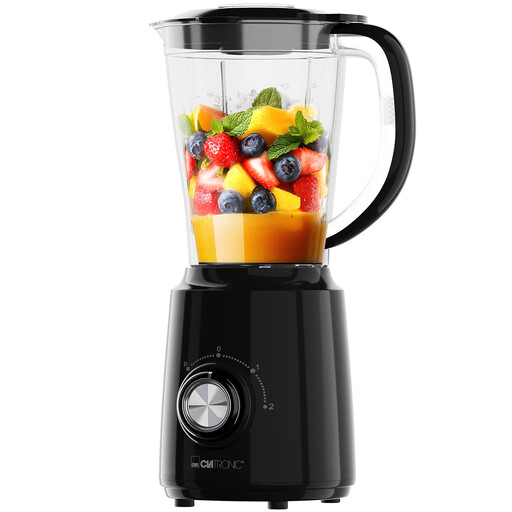
Why this product suits the profile: This classic countertop blender is suitable for smoothies, protein shakes, sauces and puréed foods in larger quantities.
The product details specify 500 watts, four speed settings, a pulse or turbo function, ice crush and a BPA-free 1.5-litre container.
Removable container, detachable stainless-steel blades and a refill opening in the lid.
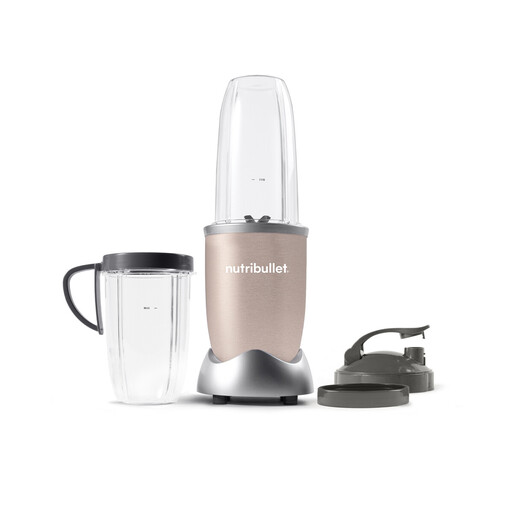
Why this product suits the profile: Two single-portion cups and a compact design make it ideal for homes with limited worktop space and regular on-the-go use.
The specifications list 900 watts, one-touch operation, a pulse function and a recommended blending time of no more than 60 seconds.
925-ml and 700-ml cups, BPA-free materials according to the product details, and dishwasher-safe detachable parts.
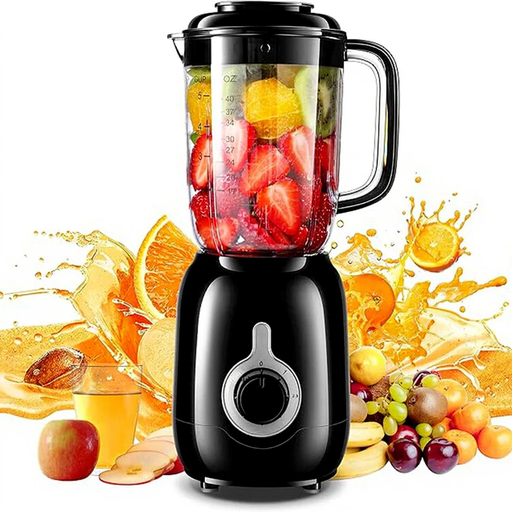
Why this product suits the profile: This model combines a large blending container with grinding and chopping containers for a range of kitchen tasks.
The product description specifies a safety lock, non-slip feet and a recommendation to use at least 300 millilitres of liquid.
1.2-litre blending container, plus 100-g grinding and chopping cups, two speed settings according to the model name, and a pulse function.
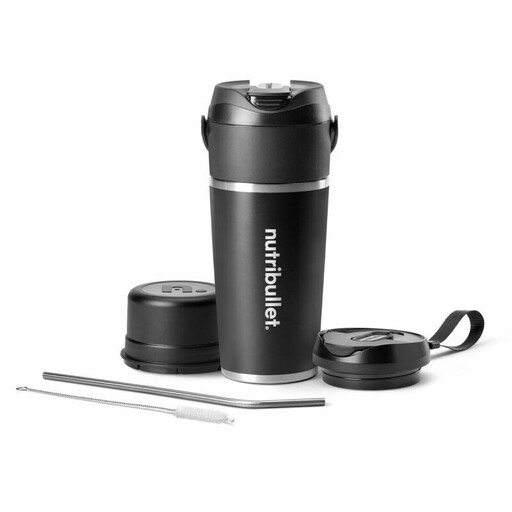
Why this product suits the profile: This battery-powered portable blender is designed for the office, gym and travel, and does not need to be plugged in while blending.
The product details specify USB-C charging, short blending intervals and a limit of just a few ice cubes per cycle when using the ice-crush function.
590-ml insulated stainless-steel cup, carry handle, drinking lid, straw, cleaning brush and more than 14 stated blending cycles per charge.
We have put together a complete, regularly updated list of products that fully meet these strict selection criteria and the safety regulations applicable in the EU.
For families, a container holding around 1.2 litres or more is practical. If you only prepare one portion, a personal blender saves space and reduces cleaning. A blender for shakes should hold enough liquid and have a securely sealing lid. For baby food or sauces, low speeds and short pulses are helpful, allowing you to control the consistency.
With a blender with a grinder, the grinding container should not automatically be treated as a substitute for a large chopper. Check the stated maximum quantity, particularly for dry ingredients. A blender with an ice-crush function also requires suitable quantities of ice cubes and short intervals.
For soft fruit, milkshakes and simple smoothies, 300 to 600 watts may be sufficient. Higher power ratings are useful if you frequently blend frozen ingredients, nuts or ice. However, the blades, pulse function, container shape and operating time must also suit the intended use.
Its lifespan depends on how often it is used, the ingredients, cleaning and compliance with the recommended operating intervals. Overfilling, running it dry and blending for too long can put strain on the motor. Clean the removable parts immediately after use and store them only once they are completely dry.
The actual cost depends on the wattage and operating time. A 600-watt appliance running for one minute uses approximately 0,01 kilowatt-hours in theory. With short blending cycles, electricity consumption is usually modest; for everyday use, frequency of use and cleaning are more significant.