
Lieferung heute & morgen

Qualitätsgarantie

Willkommens-Angebote freischalten: KOSTENLOSE Lieferung | Bis zu 80 % RABATT | Kostenlose 30-Tage-JoyPlus-Testphase
App herunterladen
The range of snack bars on supermarket shelves or online can be overwhelming. Packaging advertises high protein content, natural ingredients, or low sugar. But not every bar delivers on its promise. As your Joybuy Product Recommendation Officer, I'll help you recognise the common pitfalls and make an informed choice that suits your needs—whether for a quick energy boost, athletic support, or pure indulgence.
Before you make a purchase, you should be aware of three common marketing tactics that often lead to the wrong decision.
To avoid falling into these traps, a quick look at the back of the package is often all you need. Focus on these three key points to objectively assess a bar's quality.
The nutrition facts table is your most important tool here. Under "Carbohydrates," look for the line "of which sugars." A low value is often a good sign. Many sugar-free bars use sugar alcohols (polyols) like maltitol or erythritol instead. These have fewer calories but can have a laxative effect if consumed in excess. A corresponding warning label is required on the packaging.
For a fitness bar, the protein content is crucial. A meaningful value is around 15 to 20 grams of protein per bar. Also, check the origin of the protein in the ingredients list. Whey protein and milk protein are high-quality animal-based sources. Soy protein, pea protein, or rice protein are common components in vegan bars.
A simple rule of thumb is: the shorter the ingredients list, the better. If whole nuts, fruits, or seeds are at the beginning of the list, they make up the largest portion of the product. This is a characteristic of high-quality nut bars or bars with chocolate with whole nuts. Also, look for labels like gluten-free bars if you have intolerances.
Based on these objective criteria, we have compiled a few products for different user profiles.

Why it's a match: This profile seeks maximum functionality. The focus is on high protein content to support muscle growth and maintenance, combined with minimal sugar to avoid compromising dietary goals.
It bypasses the "vague protein promise" with a clearly declared, high protein content of 50% (20g per bar) and the "health trap" with an extremely low sugar value of under 1g per bar.
Offers high protein density with a reduced carbohydrate content and is also palm oil-free.
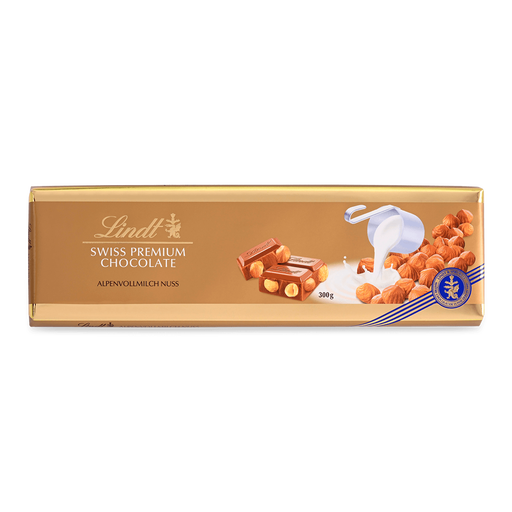
Why it's a match: For this profile, indulgence and ingredient quality are paramount. It's not about nutritional optimisation, but an authentic taste experience with high-quality chocolate and crunchy nuts.
This chocolate bar doesn't pretend to be a health product. It avoids the "Health Trap" through transparency: it's an indulgence whose quality is derived from its ingredients, like Swiss milk chocolate and whole hazelnuts.
A combination of fine milk chocolate with at least 31% cocoa solids and a high content of 15% whole, roasted hazelnuts.
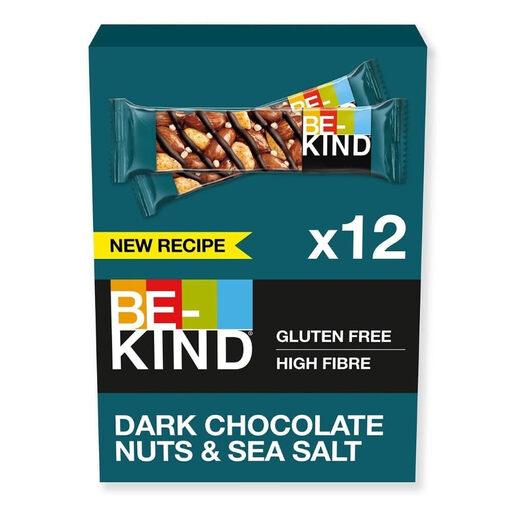
Why it's a match: This profile values whole, recognisable ingredients and avoids artificial additives. The snack should be nutritious, taste great, and meet specific dietary needs like being "gluten-free."
It escapes the "natural illusion" because the main ingredient (almonds) is listed first, and the bar consists of 60% nuts. The ingredients list is transparent and free from artificial colours, flavours, or preservatives.
High in fibre, gluten-free, and features a high percentage of whole nuts as the primary ingredient.
The main difference lies in the nutritional composition. A protein bar is specifically formulated to deliver a high protein content, often with reduced sugar and carbohydrates. It primarily serves to support athletic goals or as a filling snack. A classic chocolate bar, on the other hand, is designed for enjoyment and typically contains more sugar and fat, and significantly less protein.
This effect is usually caused by the use of sugar substitutes, also known as polyhydric alcohols (polyols). Substances like maltitol, sorbitol, or xylitol are not fully absorbed by the body and can draw water into the intestine in larger quantities, which can lead to a laxative effect. Look for the warning "Excessive consumption may produce laxative effects" on the packaging.
The most reliable way is to check the nutrition facts table. Look for the "of which sugars" line under "Carbohydrates." Values below 5 grams per 100 grams are considered very low. Additionally, check the ingredients list: if sugar, glucose syrup, fructose syrup, or honey appear high up on the list, the sugar content is correspondingly high.