
Lieferung heute & morgen

Qualitätsgarantie

Willkommens-Angebote freischalten: KOSTENLOSE Lieferung | Bis zu 80 % RABATT | Kostenlose 30-Tage-JoyPlus-Testphase
App herunterladen
A snack bar multipack is useful when you regularly need small snacks for lunchboxes, the office, a walking rucksack or the store cupboard. But a large pack doesn’t automatically make for a good buy. Portion size, ingredients, allergens, storage and how you plan to use the bars are what matter.
An eye-catching box of bars may look like it contains plenty, even if each bar is very small. Always compare the total weight in grams, the number of individual portions and the weight of each bar. A multipack of 24 bars isn’t directly comparable with a pack of ten if the individual bars are significantly different in size.
A muesli bar or cereal bar may contain grains and still be relatively high in sugar, syrup or chocolate. The name alone says little about what’s in it. Checking the ingredients list and nutrition table helps you avoid mistaking marketing terms for a particular nutritional profile.
Chocolate, wafers and cereal products often contain milk, wheat, oats, soya, peanuts or tree nuts. Warnings such as “may contain traces” are important for households affected by allergies. For products intended for toddlers, check the age recommendation and directions for use too. Some children’s products, for example, are recommended for use under supervision.
Individually wrapped bars are hygienic and easy to portion for school or the office. A chocolate bar weighing around 20 to 25 g is better suited as a small extra, while a 40- or 50-g bar takes up more room in your rucksack and makes for a different-sized portion.
If you’re stocking up, compare:
Ingredients are listed in order of quantity. If sugar, glucose syrup or chocolate appears near the top, the product is more likely to be a sweet snack than a traditional cereal snack. Claims such as “wholegrain” or “oat” can be useful when comparing cereal bars, but check them against the actual proportions listed.
For comparison, the product information for Corny Haferkraft Banane lists 50% wholegrain oat flakes and 10% banana juice concentrate. Each 50-g bar contains 193 kcal and 10.3 g of sugar. This makes it easier to compare with smaller chocolate or wafer bars.
Most bars should be stored in a cool, dry place and kept away from direct heat. Chocolate products may melt or develop a visible bloom at high temperatures. For summer outings, bars without a chocolate coating, such as an oat and banana bar, are more practical. At home, store your supplies somewhere dry and clean, and keep them organised by best-before date.
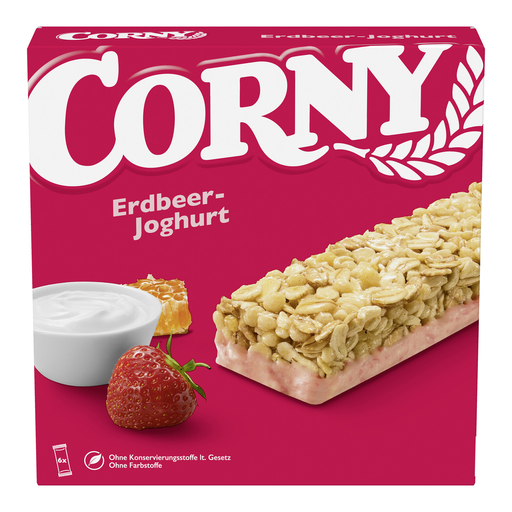
Why this product suits this profile: The six individually portioned 25-g bars are ideal for keeping a small supply in a school bag or at your desk, without having to buy a large pack.
The number of bars and the weight of each one are clearly stated, so you can get a realistic idea of the pack size before buying.
22% wholegrain cereals, 6 x 25 g, with milk and gluten clearly identified as allergens.
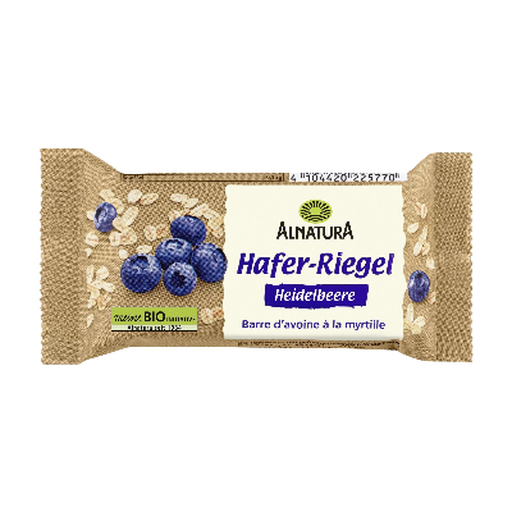
Why this product suits this profile: According to the product information, this single organic snack bar is made with wholegrain oat flakes, is vegan and contains dried blueberries.
The organic claim is backed up by specific information about the organic origin of the oats and a clear ingredients list.
52% wholegrain oat flakes, a 60-g portion and vegan according to the product description; gluten is listed as an allergen.
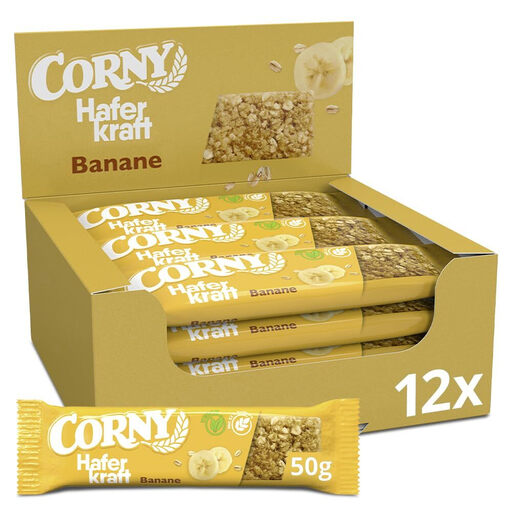
Why this product suits this profile: This 12-bar multipack contains 600 g in total, making it a good choice for households, offices and people who regularly enjoy sports or outdoor activities.
The bar has no chocolate coating, which can help reduce transport and storage problems in warm weather.
12 x 50 g, with 50% wholegrain oat flakes and 10% banana juice concentrate according to the product information.
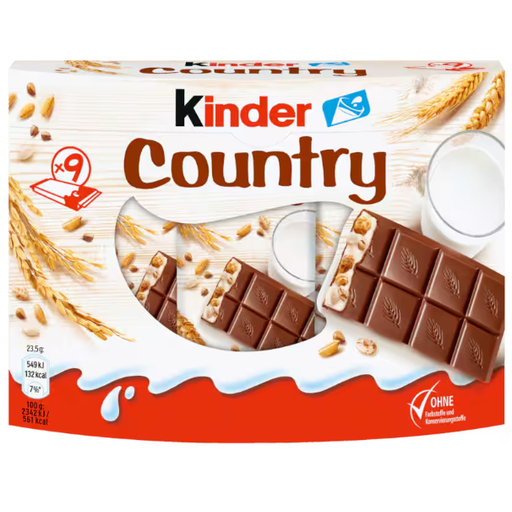
Why this product suits this profile: The nine individually wrapped bars, each weighing 23.5 g, are easy to share with the family or add to a lunchbox now and then.
The number of portions and total weight of 211.5 g are stated. The allergen list includes gluten, milk and soya, among others.
Nine individual portions, a cereal content of 29.8% according to the product information, and straightforward storage in a cool, dry place.
We’ve put together a complete, regularly updated list of products that meet these strict selection criteria and fully comply with the safety regulations in force in the EU.
Individually wrapped, compact products with a clearly defined portion size are handy for lunchboxes. Depending on your taste, you could choose Kinder chocolate bars, wafer bars or smaller muesli bars. If you’re buying for children, check the ingredients, allergens and age recommendation. Chocolate shouldn’t be exposed to high temperatures for long periods.
The specific best-before date is shown on each pack. Unopened bars should be stored somewhere cool and dry, away from direct sunlight. If you buy a large pack, use the one with the earlier date first and seal any opened outer cartons properly.
A box of bars can be worthwhile if you regularly need them at home, in the office or for outdoor activities. When comparing prices, look at the price per 100 g, not just the price of the pack. Make sure the quantity suits how quickly you’ll use them, so the bars are eaten within their stated shelf life.