For sharing and stocking up
If several people will be helping themselves, the number of bars, the weight of each one and the packaging format matter more than the total weight alone.


When choosing a multipack to share, the number of bars, portion weight and packaging format matter most. For children’s lunchboxes, smaller portions and a suitable age recommendation are more important; if you have allergies or follow a particular diet, check the labelling for the specific variety. Terms such as ‘organic’ or ‘sweetened with fruit’ are no substitute for checking the ingredients, allergens and sugar content.
If several people will be helping themselves, the number of bars, the weight of each one and the packaging format matter more than the total weight alone.
If you’re packing bars for children, look for a suitable portion size, an appropriate age recommendation and clear guidance on the pack.
If you have allergies or intolerances, or follow a particular diet, the information for the specific variety needs to meet your requirements. General claims about a brand aren’t enough.
First, decide whether the multipack is mainly for sharing, choosing products by their ingredients or packing in children’s lunchboxes. Then compare the information on the packs.
| Criterion | What to check | Who it matters most to |
|---|---|---|
| Quantity and portions | Compare the number of bars, the weight of each bar and whether they are individually wrapped. | If I’m stocking up to share with others, I need enough portions that can be used individually. This would be the main consideration for around 42 % of consumers when choosing a product. |
| Ingredients and labelling | Check the ingredients, allergens and any precautionary allergen information for the variety; compare sugar per 100 g. | If there are ingredients I need to avoid, the specific variety must meet my requirements. Around 33 % of consumers would prioritise ingredients, allergens or nutritional values. |
| Children’s lunchboxes | Check the weight of each bar, the age recommendation and the usage instructions on the pack. | For a child’s lunchbox, I’m looking for a suitable small portion rather than as many grams as possible per bar. For around 25 % of consumers, the lunchbox portion would be the deciding factor. |
Multipacks with a similar total weight can contain different numbers of bars. If you’re sharing, it makes a difference whether the pack contains a few larger portions or lots of smaller ones.
Compare the number of bars and the weight of each one with the number of people or lunchboxes you’re shopping for.
The Verbraucherzentrale (German consumer advice centre) points out that fruit juice, honey and dried fruit can all contribute to sugar content. So ‘sweetened with fruit’ doesn’t tell you how much sugar a bar contains.
Check the sugar per 100 g in the nutritional information, and look at the ingredients list too.
‘Gluten-free’ or ‘nut-free’ refers to a specific characteristic and variety. Other ingredients or precautionary allergen information may still be important for some people.
For every product, check the current ingredients list, highlighted allergens and precautionary allergen information.
A small portion isn’t automatically suitable for every child. For example, the HiPP Fruit and Cereal Bar Mini Mix listed by dm is labelled as suitable from 3 years.
Check the age recommendation and guidance on eating and supervision against how you plan to use the product.
dm lists a dmBio Oat and Nut Muesli Bar as a 3-pack weighing 105 g.
ROSSMANN stocks an enerBiO Nut and Fruit Bar Mix, with three different bars weighing 25 g each.
dm lists a MadeGood Granola Bar multipack containing six bars.
The HiPP Fruit and Cereal Bar Mini Mix listed by dm contains ten bars weighing 10 g each and is labelled as suitable from 3 years.
These multipacks are mainly worth considering if you’re stocking up to share or take with you. Choose based on the number of bars and portion size. If you’re buying for children or have specific ingredient requirements, check the labelling on the individual pack too.
 No image available
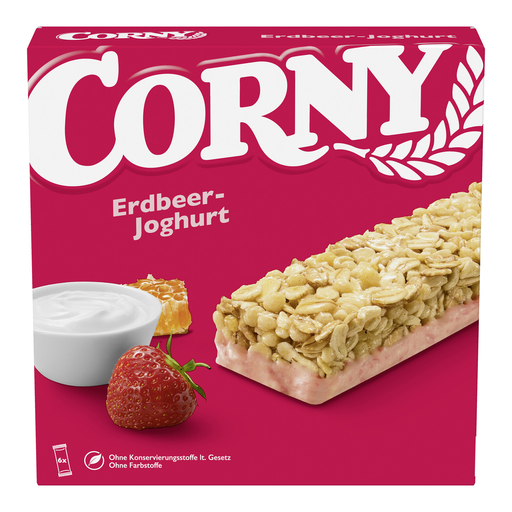
The six 25 g bars are a good option if you want to split a multipack into smaller portions.
Check the ingredients, allergens and nutritional information on the current pack for everyone who’ll be eating them.
 No image available
Twelve bars weighing 50 g each are better suited to stocking up on larger individual portions than to a need for mini bars.
‘Zero’ is part of the product name; check the nutritional information and ingredients list for the sugar content and ingredients.
 No image available
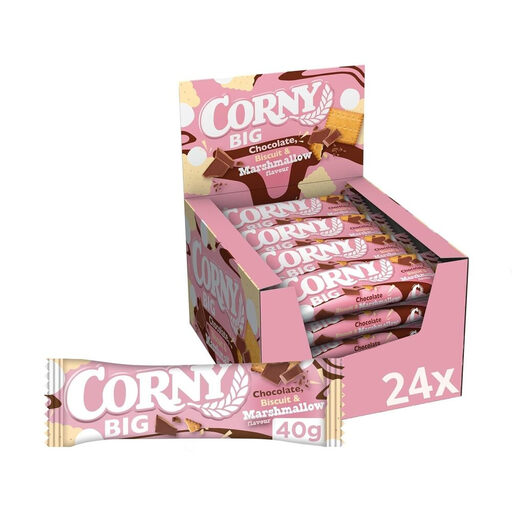
With 24 bars weighing 40 g each, this format is worth considering if you need plenty of individual portions.
Compare the portion size with what you need, and check the ingredients and allergen information before sharing.
 No image available
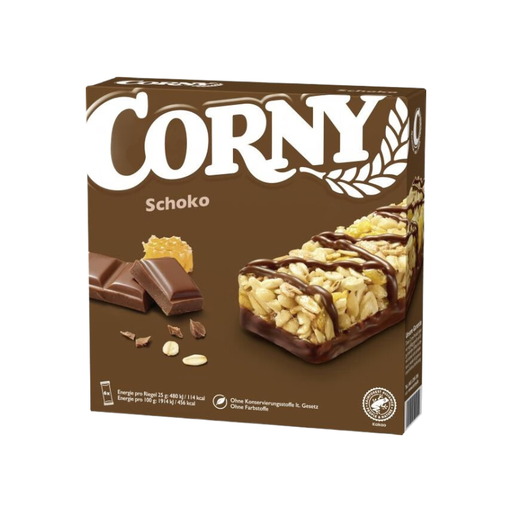
Six bars weighing 25 g each could be a good choice if you’re looking for smaller portions to stock up on.
If milk, nuts or peanuts matter to your choice, check their allergen status and any precautionary allergen information on the current pack before deciding on this product.
 No image available
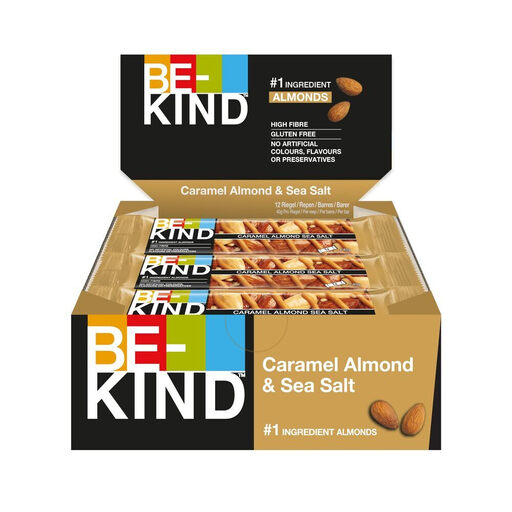
The twelve 40 g bars are one option if you’re stocking up on several medium-sized individual portions.
If you have an allergy or specific dietary requirements, check the ingredients and information on the current pack; the product name alone isn’t enough.
Compare the number of bars, the weight of each one and the packaging format. If several people will be taking a bar individually, the portion breakdown tells you more than the total weight alone.
No, you can’t assume it has a low sugar content from this claim. The Verbraucherzentrale (German consumer advice centre) points out that sweetening ingredients such as fruit juice or dried fruit can also contribute to sugar content. So compare the sugar information in the nutritional values.
Follow the storage instructions on the specific pack and check the best-before date. If you’re planning to put a bar in a lunchbox later, make sure its individual wrapper is intact too.