Runners doing long training sessions
If you’re planning fuel for a long run, check how many carbohydrates a bar provides and whether you can comfortably eat a solid snack while running.


A multipack of individually portioned bars is particularly useful as a shared snack stash, for lunchboxes and around lighter training sessions. If you plan to eat a bar during a long or intense run, its carbohydrate content per portion, how much chewing it involves and how well you tolerate it all need to fit your plan. Another type of endurance fuel may be more practical. According to the German Nutrition Society, how much your carbohydrate stores are used depends in particular on the duration and intensity of the exercise.
If you’re planning fuel for a long run, check how many carbohydrates a bar provides and whether you can comfortably eat a solid snack while running.
For lunchboxes, sharing or several training days, the number of bars, their portion size and whether you can use up the pack in good time all matter.
If you need to avoid particular ingredients or allergens, check the label for the exact variety. Recipes and precautionary allergen statements can vary even within the same type of bar.
A good fit if: You’re looking for individually portioned snacks for lunchboxes, sharing or keeping in stock around training days.
The trade-off: A multipack of bars isn’t a substitute for a fuelling plan you’ve tried out while running.
A good fit if: You want a bar with a clear carbohydrate amount per portion that suits your training plan.
The trade-off: Calling a bar a sports bar doesn’t tell you how easy it is to chew or how well you’ll tolerate that particular product during a run.
A good fit if: You want portionable fuel for long sessions without having to chew a solid bar.
The trade-off: You’ll need to try these products out for yourself too. The consumer advice centre says it’s important to drink enough when using gels.
| What to consider | What to check when buying | Who it matters most to |
|---|---|---|
| Carbohydrates per bar | Compare the portion weight and carbohydrates per portion. If the label gives figures per 100 g, take the size of each bar into account. | For long sessions, I want to know how many carbohydrates each planned portion provides. Around 36% of consumers would put this kind of predictability first. |
| Chewing and drinking | Try the specific bar during a comparable training session. If you’re using a gel, plan when you’ll drink too. | If I find it hard to chew while running, how practical it is to eat matters more than pack size. Around 29% of consumers would prioritise tolerance and ease of use. |
| Pack size and storage | Check the number of bars, the weight of each one, the best-before date and the storage instructions. | For lunchboxes or several training days, I want to be able to divide up the portions easily. Around 21% of consumers would consider the benefits of a multipack first. |
| Ingredients and allergens | Read the ingredients list and allergen information for the specific variety, including any precautionary allergen statements. | If certain ingredients aren’t suitable for me, the recipe of the specific product determines my choice. Around 14% of consumers would make this their top priority. |
Individually portioned bars are handy to keep in stock, but that doesn’t tell you whether their carbohydrate content, texture and tolerance will suit a long run.
Check the carbohydrate content per bar using the nutrition information and portion weight, then try the specific variety during a comparable training session.
A prominent protein claim doesn’t tell you how many carbohydrates you’ll get for your planned fuelling strategy.
For this purpose, compare carbohydrates per portion first, along with the ingredients and how practical the bar is to eat. Don’t choose bars solely on the claims on the front of the pack.
These terms are no substitute for the ingredients list or allergen information. Bars with similar names can still contain different ingredients.
Read the information for the exact variety you want to buy, and check for both allergens in the ingredients and any precautionary allergen statements.
A multipack may be shared between several people or used over several days. The best-before date and storage instructions are important for maintaining product quality.
Choose a pack size that suits how much you plan to use, and follow the storage instructions on the packaging.
The brand’s range includes sports and energy bars, which are an alternative to classic cereal bar multipacks.
The brand’s gels, drink mixes and Solids are alternative formats to consider for fuelling long runs.
The Chocolate cereal bar is sold in a pack of six, making it a practical example of a multipack to divide up.
This sports nutrition brand offers energy bars, among other products. You can compare the amount in each portion using the nutrition information.
ROSSMANN’s nut and fruit bar mix is an example of a small pack containing several snack portions.
These Corny multipacks are particularly useful for portioned snacks around training days, in lunchboxes and for sharing. If you want to eat a bar during a long run, check the nutrition information for the individual portion and try it out during training.
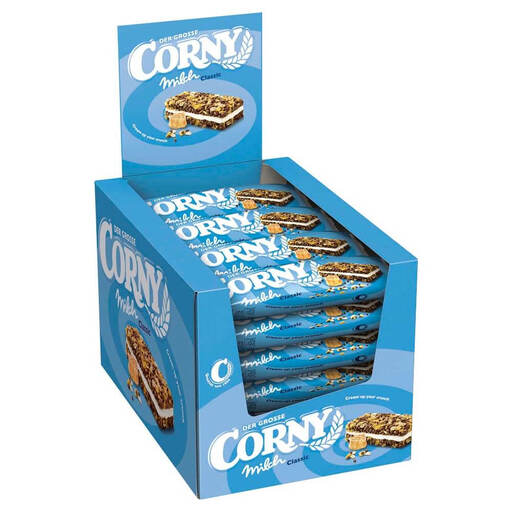 Image unavailable
This pack of 24 bars is handy for keeping several snack portions in stock. Each bar weighs 40 g. If you plan to use them for fuelling during a run, check the carbohydrate content per bar and how easy you find it to eat.
Check the ingredients and allergen information on the specific pack against your requirements.
 Image unavailable
With 24 bars weighing 40 g each, this option is designed to provide several snack portions. If you’re thinking of eating one during a run, check the portion information and how easy it is to chew.
Check the ingredients and allergen information when choosing, and follow the storage instructions if you’re keeping a supply.
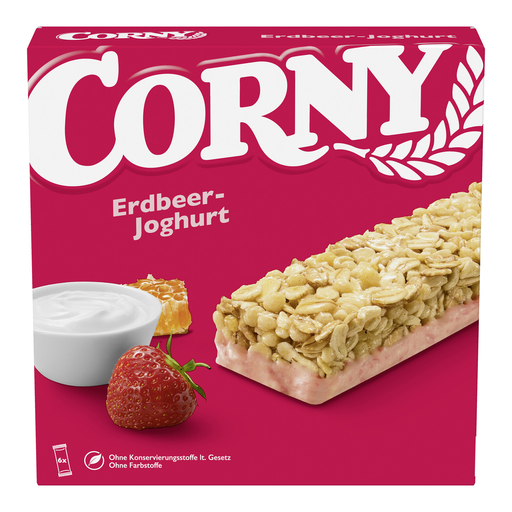 Image unavailable
Six bars weighing 25 g each provide smaller individual portions than the two 40 g options in this selection. If you’re planning your carbohydrate intake for a run, check the nutrition information for one bar and try it during training first.
Check the ingredients and allergen information for the specific variety.
 Image unavailable
This six-pack contains bars weighing 20 g each, making it a handy option for smaller, individually portioned snacks. If you’re planning to use them for long runs, check the carbohydrate and polyol information for this specific variety separately, and see how well you tolerate it during training.
Also check the ingredients and allergens, and whether the individual bars are packaged suitably for taking with you.
Not simply because it comes in a multipack. The carbohydrates per bar, how much chewing it involves and how well you tolerate it all need to suit your planned use. The German Nutrition Society notes that the duration and intensity of exercise affect how much your carbohydrate stores are used. So try the specific variety during a comparable training session first.
Yes. The consumer advice centre explains that it’s important to drink enough when using gels. Try the product and drinking routine together during training rather than using them for the first time on a long run.
The main things to check are the ingredients, allergens, nutrition information, portion weight, best-before date and, where relevant, storage instructions. Your Europe explains this labelling information for prepacked food in the EU. If the pack only gives carbohydrate figures per 100 g, use the weight of one bar to work out what that means for your plan.
No. The ingredients list identifies allergenic ingredients that are present; a precautionary allergen statement refers to the possibility of unintended traces. The German Food Federation explains that such a statement doesn’t mean traces must actually be present in the product. Check the full label for the specific variety before choosing.
Before buying, check the best-before date and storage instructions for the specific pack, and choose an amount that suits how quickly you’ll use it. The stated storage conditions are important to the best-before date.