What to look for when buying
First, decide how many bars you actually plan to eat. Then compare the nutritional information per bar for that portion, and per 100 g when comparing products of different sizes. Ingredients and allergen information should also inform your choice of variety.
| Criterion |
What to check |
Who it matters to |
| Energy and portion |
Compare the kcal and weight per bar, as well as the number of bars you plan to eat. |
If I plan a snack in advance, I want to know how much I’ll actually eat. For around 33 % of consumers, portion and energy planning is the top priority. |
| Protein per snack |
Check the protein and energy per bar; if the bars are different sizes, compare the values per 100 g as well. |
If protein is my priority, the claim on the front of the pack isn’t enough to help me choose a portion. Around 27 % of consumers put this criterion first. |
| Pack to share |
Check the number of bars, the weight of each bar and, where relevant, whether the bars in the specific pack are individually wrapped. |
For lunchboxes or sharing with others, I want to be able to divide up the bars as needed. This takes priority for around 20 % of consumers. |
| Sugar information and ingredients |
Read the ingredients list, the “of which sugars” value, sweeteners and allergen information for the variety. |
If I’m choosing a bar to share with people who have different dietary requirements, I want to check the label first. Around 20 % of consumers put sugar information and ingredients first. |
Snack bar multipacks at Joybuy
This selection includes protein, oat and cereal bars in multipacks. Compare the weight of each bar with the portion you plan to eat. A smaller pack or a protein claim alone doesn’t tell you whether a product is suitable for weight management.
 No image available
BE-KIND Protein Caramel Nut, 12 × 50 g
For planning a stock of twelve protein bars, each weighing 50 g. Before buying, compare the nutritional information for the number of bars you actually plan to eat and check the allergen information.
View at Joybuy
 No image available
CORNY Protein Crunchy Vanilla & White Choc Flavour, 12 × 45 g
A multipack of 12 for shoppers comparing one protein bar per planned portion. The product name states 30 % protein and no added sugar; also check the energy, sweeteners and warnings on the current pack. Check the packaging to confirm whether the product is gluten-free before buying.
View at Joybuy
 No image available
CORNY Haferkraft Zero Peanut Butter, 12 × 50 g
The twelve oat bars, each weighing 50 g, can be planned as individual snacks. “Zero” in the product name is no substitute for checking the sugar information and ingredients; pay particular attention to the sweetener and allergen information.
View at Joybuy
 No image available
CORNY Free White Chocolate, 6 × 20 g
This multipack of six cereal bars, each weighing 20 g, could suit smaller portions planned in advance. “No added sugar” in the product name doesn’t mean “unsweetened”; compare the sugar information and read the ingredients and allergen details.
View at Joybuy
 No image available
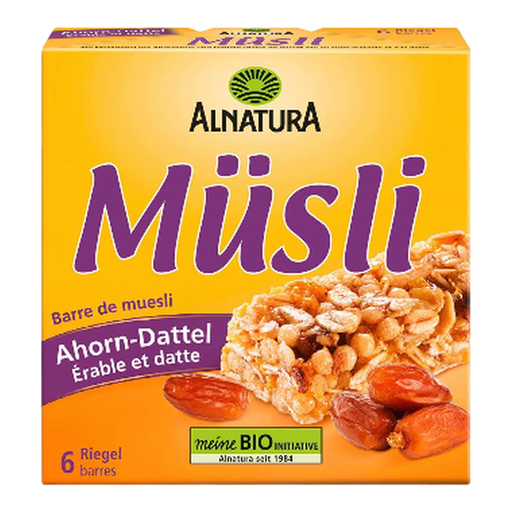
Alnatura maple and date cereal bars, 6 × 25 g
Six cereal bars, each weighing 25 g, give you a set number to pack in lunchboxes or share. Compare the energy and sugar for your planned portion, and check the ingredients and allergen information.
View at Joybuy
Frequently asked questions
Are protein bar multipacks automatically suitable for weight management?
No. Protein content alone doesn’t tell you how much energy your planned portion contains. For example, REWE lists 10,4 g of protein and 199 kcal per 40-g bar for Nature Valley Protein Salted Caramel. Compare the values per bar with the number you plan to eat.
Does “no added sugar” mean a bar is unsweetened?
No. Lebensmittelklarheit explains that this claim isn’t the same as “sugar-free” or “no sweeteners”. So check the “of which sugars” value in the nutritional information and read the ingredients list; CORNY Free Schoko, for example, lists maltitol.
What should I look for in bars containing sugar substitutes?
Check the ingredients and warnings for the specific variety. The product information for PowerBar 52% Protein+ lists 11 g of polyols per bar and warns that excessive consumption may have a laxative effect; this doesn’t apply to all protein bars.
Are bars with sweeteners a good choice for children’s lunchboxes?
Don’t choose them based on a sugar claim alone. Verbraucherzentrale says that products containing sweeteners and sugar substitutes are generally not a suitable alternative for children. For the lunchbox, also check the ingredients, allergens and portion size.
Why should I check the individual variety before sharing a multipack?
Ingredients, allergens and consumption advice can vary between varieties. Before sharing, read the current packaging information, especially if someone needs to avoid certain ingredients; the number of bars in the multipack won’t tell you this.


