
Lieferung heute & morgen

Qualitätsgarantie

Willkommens-Angebote freischalten: KOSTENLOSE Lieferung | Bis zu 80 % RABATT | Kostenlose 30-Tage-JoyPlus-Testphase
App herunterladen
Snack bars are a convenient option for the office, exercise, travelling or a quick bite between meals. There’s plenty of choice, from oat bars and muesli bars to protein bars, fruit bars and chocolate bars. That variety can make comparisons tricky, though: eye-catching packaging tells you little about the ingredients, allergens or the actual price per pack.
The most common buying mistakes stem from three marketing traps:
Ingredients are generally listed in descending order by weight. If glucose syrup, rice syrup or sugar appears near the top of the list, the bar is usually not low in sugar – whatever terms such as “muesli” or “fruit” may suggest.
Also look out for highlighted allergens. Snack bars often contain:
If you have coeliac disease or a diagnosed allergy, a general “may contain traces” statement is not a personal guarantee that a product is safe for you. Always check the label on the specific pack.
Comparing values per 100 grams gives you a common basis for assessment. For everyday use, the serving size matters too. A 50-gram bar containing 193 kcal is different from a 25-gram bar with a correspondingly smaller serving, even if their values per 100 grams are similar.
In particular, check:
For example, Corny Haferkraft Banana is listed as containing 193 kcal per 50-gram bar. According to the product information, the Maxi Nutrition Muesli Nut Butter Protein Wafer Bar provides 9.7 grams of protein per 39-gram bar. Both figures are only meaningful when considered alongside the serving size.
A multipack can be handy for families, offices or regular snacking. Check the total quantity, though, and work out the price per bar or per 100 grams. Individually wrapped bars are easy to carry and portion out, but create more packaging waste.
On warm days, uncoated oat bars are often a better choice than chocolate products. For foods that need careful storage, follow the “store in a cool, dry place” instructions and check the best-before date. For children, also consider the serving size, texture and any potential allergens.
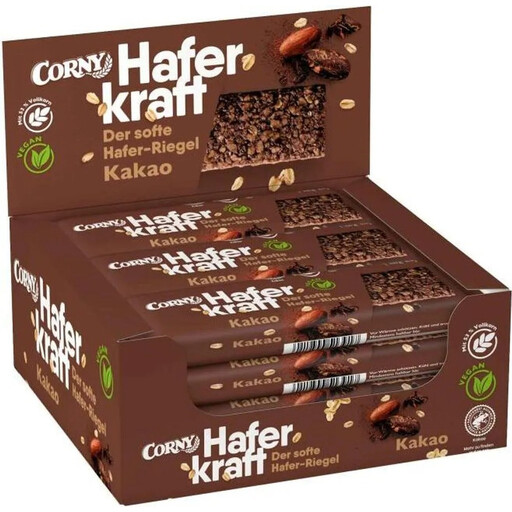
Why this product suits this profile: The pack of 12 50-gram bars is handy for stocking up, keeping at the office and taking out for regular snacks. The product information states that it contains 53% wholegrain oats.
The pack size and nutritional values per 100 grams are clearly stated. The bar isn’t marketed as sugar-free; according to the product information, it contains 20.5 grams of sugar per 100 grams.
12 individually wrapped bars, chocolate flavour and, according to the product description, no palm oil, colourings or preservatives.

Why this product suits this profile: The bar is described as vegan and made with organic ingredients. Its recipe is based on 52% wholegrain oats and includes dried blueberries.
The product description explicitly lists gluten as an allergen. This helps avoid mistakenly assuming that a vegan bar is also gluten-free.
Vegan, organic and a 60-gram serving; according to the product information, it contains 7.9 grams of protein and 23 grams of sugar per 100 grams.

Why this product suits this profile: The multipack of 12 50-gram bars is made for stocking up, keeping in your gym bag and taking out with you. The product information describes it as vegan and with no added sugar.
The “no added sugar” claim is backed up by the nutritional information: 1.2 grams of sugar per 100 grams. Maltitol is also used as a sweetener.
49% wholegrain oats, a vegan recipe and 12 individually portioned bars. Contains oats and peanuts.
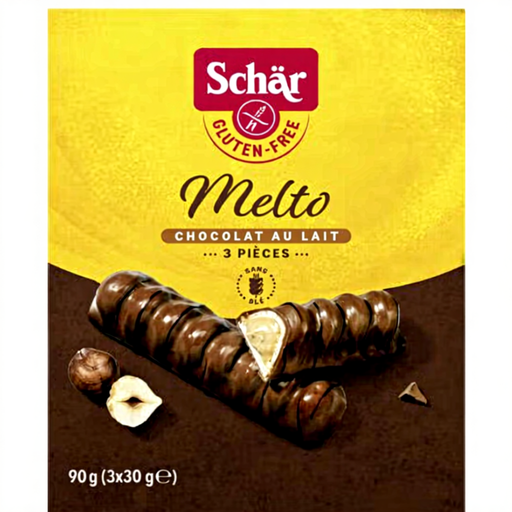
Why this product suits this profile: The product information describes it as gluten-free and wheat-free. The three individually portioned 30-gram bars are handy for taking out or sharing.
The allergen information makes it clear that the bars contain hazelnuts, milk and soya. Gluten-free doesn’t mean allergen-free.
A crunchy wafer with hazelnut cream and a milk chocolate coating; according to the product information, it contains 549 kcal and 45 grams of sugar per 100 grams.
We’ve put together a complete, regularly updated list of products that meet these strict selection criteria and the safety regulations in force in the EU.
Protein bars can be a convenient snack between meals. However, check the protein content, energy, sweeteners and allergens. The name doesn’t make them a substitute for a balanced diet or indicate any medical or therapeutic benefits.
The best-before date is printed on the packaging. Store unopened bars in a cool, dry place, following the storage instructions. Once opened, it’s best to eat them promptly, particularly if they have a soft filling or chocolate coating.
No. Oats, wheat and barley may contain gluten. Vegan bars may also contain traces of milk, nuts or soya. If you have specific dietary requirements, always check the full ingredients and allergen information for the product in question.