Visitors planning their portion
You want to plan a specific amount of snacks for your visit to the market. To do this, compare the calories per bar with its weight and think about how many you’d actually eat.


To plan a snack at the Christmas market with calories in mind, first compare the kilocalories in the amount you actually intend to eat, rather than choosing based solely on claims such as ‘protein’ or ‘organic’. According to EDEKA’s nutritional information, a 25 g sesame bar contains around 133 kcal, while a 50 g protein bar contains around 182 kcal – even though the sesame bar has more energy per 100 g. A ready-to-eat snack that’s easy to portion is handy when you’re out and about. Ingredients and allergens are separate factors to consider.
You want to plan a specific amount of snacks for your visit to the market. To do this, compare the calories per bar with its weight and think about how many you’d actually eat.
You want something easy to carry for the journey or while you’re outdoors. A ready-to-eat bar or another compact snack is a better fit than dough that needs to be baked first.
You need to take certain allergens or ingredients into account. For packaged snacks, check the ingredients and ‘may contain’ information; for unpackaged food, ask about the allergen information before buying.
| What to consider | What to check when buying | Who it matters most to |
|---|---|---|
| Calories per serving | Compare the kilocalories per bar, the weight of each bar and how many you plan to eat. | If I’m planning to have just one bar, I want to know the calories in that exact bar. Serving calories are likely to be the most important buying criterion for around 36% of consumers. |
| Eating on the go | Check whether the snack can be eaten without baking, cutlery or extra ingredients. | At the market, I want to be able to eat my snack straight away, without preparing it first. Being ready to eat is likely to be the priority for around 29% of consumers. |
| Ingredients and allergens | For packaged food, read the ingredients and ‘may contain’ information; for unpackaged food, ask for the allergen information. | If I need to avoid certain ingredients, the exact ingredients determine whether the snack is suitable for me. This check is likely to come first for around 21% of consumers. |
| Protein, sugar and sweeteners | Check the nutritional information per serving and, where relevant, any information about polyols. | I want to know what protein or sugar claim the snack I’ve chosen actually makes, without assuming that this tells me how many calories are in a serving. These factors are likely to be the main influence on choice for around 14% of consumers. |
The MAX BALANCE protein bar described by EDEKA weighs 50 g and contains 363 kcal per 100 g. Its protein content alone doesn’t tell you how much energy the whole bar provides. ‘No added sugar’ doesn’t tell you how many calories it contains either.
Compare the weight of the bar and the kilocalories in the portion you actually plan to eat. Then consider its protein content as a separate factor.
According to EDEKA, its organic sesame bar contains 531 kcal per 100 g. A 25 g bar therefore contains around 133 kcal. The size of the bar makes a difference when you’re choosing a single snack.
For each option, compare the nutritional information per 100 g as well as the weight and calories per bar. If you’re buying a multipack, consider how many bars you intend to eat.
The protein and sesame bars described contain different allergenic ingredients and have different ‘may contain’ information. In Germany, information about allergenic ingredients must also be available for unpackaged food, as explained by the Lower Saxony State Office for Consumer Protection and Food Safety.
For packaged products, read the ingredients list and ‘may contain’ information. If you need to avoid an allergen, ask the market stall about the specific unpackaged snack before buying.
Knack & Back describes its range as fresh dough for baking. It only becomes a snack for your visit to the market after it has been prepared.
Choose this option only if you’re happy to bake in advance and portion out the finished amount. When planning the calories, take the specific dough and any toppings into account.
Baking and portioning take extra preparation time.
The two products described by EDEKA show why you should consider the weight of each bar alongside the figures per 100 g: a 25 g sesame bar and a 50 g protein bar.
ALDI SÜD sells protein bars under the ALDI SPORTS brand, among other products. For a calorie-conscious choice, check the information for the specific variety and serving.
REWE describes PWR as its own brand of protein bars for everyday life and eating on the go.
BiFi The Original is a savoury mini salami rather than a sweet snack bar. The product described weighs 20 g.
Knack & Back offers fresh dough for baking. For a visit to the Christmas market, it’s an option for snacks you prepare at home, rather than a bar you can eat straight away.
This selection includes portionable bars and a chocolate option for a sweet snack. For your visit to the market, compare the amount you plan to eat and check the nutritional and ingredient information for the specific product.
 No image available
The individually portioned 50 g bars may suit you if you want to plan your snack by the number of bars you’ll eat. Compare the calories per bar and check the packaging for information about peanuts, cereals containing gluten and possible traces before eating.
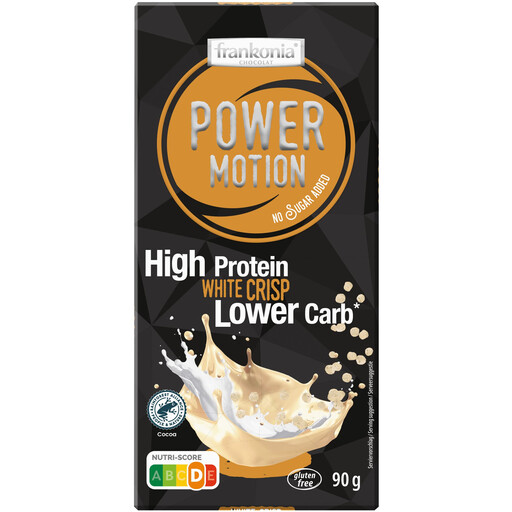 No image available
This chocolate is an alternative if you’d rather take a sweet treat with you and choose your own portion instead of having a bar. Check the calories against the amount you actually eat. Also check the packaging for information about milk, soya, possible traces and maltitol.
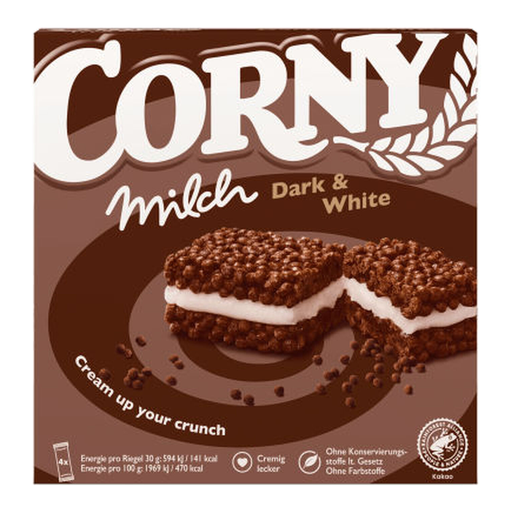 No image available
The pack of four 30 g bars is a good fit if you want to plan on having one while you’re out and about. Compare the nutritional information per bar and check the packaging for details about milk, cereals containing gluten and possible nuts and peanuts.
 No image available
This 50 g bar may suit you if you want a clearly defined portion and would also like to compare the listed protein and fibre content. Check the calories per bar and the information about milk, soya and maltitol. Follow the serving guidance for maltitol.
When planning a single snack for the market, the kilocalories in the portion you actually eat are what matter; the figure per 100 g helps you compare energy density. According to EDEKA, the sesame bar contains 531 kcal per 100 g and weighs 25 g, which works out at around 133 kcal per bar. At 363 kcal per 100 g, the 50 g MAX BALANCE protein bar contains around 182 kcal per bar.
No, this claim doesn’t tell you how many calories are in a serving. Also compare the kilocalories and weight per bar, as well as the nutritional information for sugar, fat and, where relevant, polyols. ALDI SÜD gives the High-Protein bar described as containing 369 kcal per 100 g.
Yes. In Germany, information about allergenic ingredients must also be available for unpackaged food. The Lower Saxony State Office for Consumer Protection and Food Safety describes various ways of providing this information, including, under certain conditions, verbally. If you need to avoid an allergen, ask about the specific snack before buying.