Organisers working to a calorie limit
You want to compare the energy in each bar you hand out, rather than assume that a label such as ‘protein bar’ or a low sugar figure tells you how much is in a serving.


When planning a calorie-conscious conference break, start by comparing the kcal per bar you’ll be handing out, rather than looking at protein or sugar figures alone. The options described by REWE — Premier Protein Chocolate Caramel, Nature Valley Salted Caramel and Grenade Oreo White — contain 135, 199 and 232 kcal per bar respectively. When choosing for a group, serving size, ingredients and allergens matter too.
You want to compare the energy in each bar you hand out, rather than assume that a label such as ‘protein bar’ or a low sugar figure tells you how much is in a serving.
You need clear ingredient and allergen information, and may need separate options for any dietary requirements people have told you about.
You want to take protein content into account, while also checking the energy per serving, ingredients and on-pack information.
First, decide exactly what portion you’ll be handing out. Then compare the nutritional information and check that the ingredients and packaging of each variety are suitable for your plans.
| Criterion | What to check when buying | Who should pay particular attention |
|---|---|---|
| Energy per bar | kcal per whole bar and its weight; if you’re handing out a smaller portion, check its actual size. | If there’s a calorie limit for the break, I need the figure for exactly the portion being handed out. This is the main consideration for around 36% of consumers. |
| Allergens and choice | Ingredients, highlighted allergens and precautionary ‘may contain’ information for the specific variety; if people have declared dietary requirements, make sure there’s a clearly identifiable alternative. | When catering for a group with different requirements, I don’t want to offer just one variety that some people may have to avoid. This is the main concern for around 29% of consumers. |
| Sugar, protein and sweeteners | Compare sugar and protein on the same serving basis; also check the ingredients and consumption advice. | If I choose a protein option, I want to know what else is in the bar besides protein. Around 21% of consumers put this first. |
| Serving and pack size | Match the bar weight, number of bars and packaging format of your chosen variety to how you plan to hand them out. | During a short break, you need to be able to distribute the chosen portions without confusion. This is the priority for around 14% of consumers. |
The protein or sugar content doesn’t tell you how much energy you’re handing out in a whole bar. The single bars from Premier Protein Chocolate Caramel and Grenade Oreo White described by REWE contain 135 and 232 kcal respectively, despite their different sugar levels.
Compare the kcal per bar for each variety, and check whether the nutritional information is given per serving or per 100 g.
The varieties described include ingredients such as milk, soya, peanuts, tree nuts and other declared allergens. So, one variety won’t automatically meet everyone’s needs.
Check the current labelling for each variety you plan to serve, and have a clearly distinguishable alternative ready for any declared requirements.
The Premier Protein and Grenade bars described carry a warning that excessive consumption may have a laxative effect. If the packaging isn’t kept with the bars, it may be harder for people to see this warning.
Keep the individual wrappers with the bars, or make the full product information easy to find at the display.
The Chocolate Caramel bar, weighing 40 g each, is used as a comparison.
The Protein Bar Cookie Dough in the 45-g size is the one considered here.
The figures refer to the Oreo White Protein Bar, weighing 60 g each.
The Salted Caramel Protein Bar considered here is listed as weighing 40 g per bar.
The sesame crunch bar considered here is a different type of product from the protein bars listed above.
This selection includes bars in different sizes and pack formats to help you plan a conference break. For serving comparisons, check the latest nutritional information; before handing them out, check the labelling of the specific variety you’ve chosen.
 No image available
This 50-g bar may suit you if you plan to hand out one bar per person; check the pack for the kcal per bar.
If anyone has a milk or soya allergy, check the ingredients. Also read the consumption advice for maltitol.
 No image available
The pack of twelve 45-g bars can be planned by quantity; for your calorie target, compare the figure per bar.
The information on gluten-free status conflicts with the list of gluten-containing ingredients. Only choose this variety for gluten-free requirements after checking the current label.
 No image available
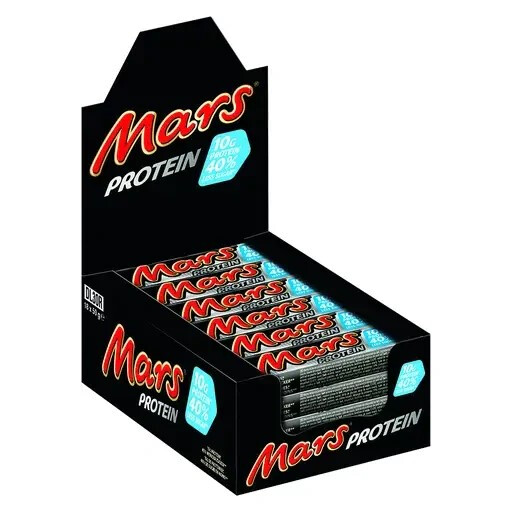
The box of eighteen 50-g bars is an option if you know the quantity you’ll need in advance; check the energy and sugar per bar you hand out.
Check the allergen information on the specific pack, particularly for milk, soya, egg and barley.
 No image available
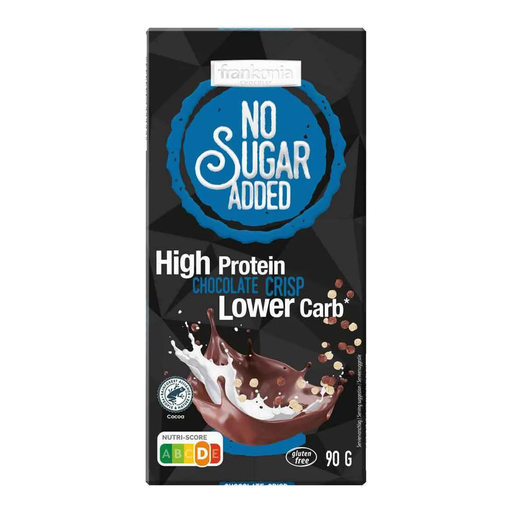
This 90-g bar is only suitable for a smaller serving if you can divide it into portions easily when handing it out.
Check the packaging format and the information about milk, soya and maltitol on the specific pack.
No, the figure per serving alone isn’t enough to support this description. Check the requirements for making such a claim against the nutritional information per 100 g and the labelling of the specific product. A small bar may contain few kcal per bar but still have a much higher figure per 100 g.
No, gluten-free labelling doesn’t tell you about other allergens. For example, the gluten-free Nature Valley Salted Caramel bar described by REWE contains peanuts, almonds, soya and milk. Check the current ingredients list and precautionary information for every variety you plan to serve.
Keep the packaging with each bar, or provide an ingredients and allergen list that clearly identifies each variety. This is especially important when several similar-looking bars are set out together.
No, sugar and energy per bar are different figures. REWE lists 0,7 g sugar and 135 kcal per bar for Premier Protein Chocolate Caramel, and 1,3 g sugar and 232 kcal for Grenade Oreo White. Always compare the full figures per serving.