Festival-goers with a personal calorie budget
If you’re planning to take a pre-packed snack, what matters is how much you actually eat. So compare the kcal per bar and the serving size, rather than relying only on claims on the front of the pack.


When comparing snack bars for festival camping, start with the calories in the bar you’ll actually eat, then check the figures per 100 g. A small serving may contain fewer calories, without the bar being low in calories per 100 g. And a protein bar isn’t automatically low in calories. Also check the sugar, ingredients, allergens and storage instructions for the specific variety.
If you’re planning to take a pre-packed snack, what matters is how much you actually eat. So compare the kcal per bar and the serving size, rather than relying only on claims on the front of the pack.
A protein bar could be a good fit if you want to compare protein content as well as serving size. But you’ll still need to check its calorie content against your calorie budget separately.
If you need to avoid certain ingredients or allergens, check each variety individually. The European Union explains that allergens must be highlighted in the ingredients list on pre-packed foods as part of its labelling rules.
If you have an allergy, the first thing to check is the labelling for the specific variety. When comparing suitable bars, look at serving size, nutrition information and storage instructions.
| What matters | What to check when buying | Who it matters most to |
|---|---|---|
| Calories per serving | kcal per bar, based on the serving size; also check kcal per 100 g when comparing bars of different sizes. | If I usually eat a whole bar, I want to know how it fits into my personal calorie budget. Around 42 % of consumers put this serving-size question first. |
| Taking it with you and storage | Bar size, packaging condition, best-before date and storage instructions for the variety. | I need a suitable portion for my supplies that I can store as instructed. For around 33 % of consumers, convenience when taking it along is the main consideration. |
| Ingredients and allergens | Ingredients list, highlighted allergens, may-contain warnings and sugar per 100 g. | If I need to avoid certain ingredients or am looking for a bar with specific ingredients, the labelling for that particular variety is what matters. Around 25 % of consumers put this check first. |
These claims don’t replace checking the calorie content. Barebells itself points out that its products are not low-calorie or reduced-calorie foods.
Compare the kcal per bar and per 100 g with your personal serving limit. The Verbraucherzentrale recommends checking the nutrition information, especially for high-protein products.
Dried fruit and fruit juice concentrate can also contribute to the sugar content. dm-drogerie markt lists 56 g of sugar per 100 g for its dmBio Mango Fruit Bar.
Read the sugar information alongside the ingredients list, and check the calorie content for the portion you plan to eat.
Similar bars can contain different ingredients or have different may-contain warnings. Always check the labelling for the specific variety, especially if you’re sharing snacks.
Before buying, check the highlighted allergens and any may-contain warnings. Don’t pass an unchecked bar to someone if you don’t know what they’re allergic to.
A percentage on the front of the pack doesn’t automatically tell you how many grams are in each bar. In 2023, Lebensmittelklarheit described an Aldi protein bar displaying a prominent 50-% claim, while its nutrition table listed 23 g of protein per 45-g bar.
Always check what the figure refers to and how much protein is in the portion you’ll actually eat.
Protein bars for shoppers who want to compare protein and calories per bar.
Fruit bars as a portion-sized option; the Mango variety weighs 40 g.
Sesame bars for shoppers specifically looking for a bar made with sesame.
A range of different types of bar, including cereal, nut and protein bars.
This selection includes cereal and oat bars in a range of portion sizes, as well as protein bars. The right portion for your festival bag depends on your calorie target, the ingredients and the storage instructions for the product.
 No image available
The 20-g bars are a handy option if you’re looking for a smaller portion on the go. Before buying, compare the calories per bar and check the ingredients for this variety.
 No image available
If you’re looking for a protein bar to take camping, this pack contains 45-g bars. Check calories and protein per bar separately before comparing it with smaller cereal bars.
 No image available
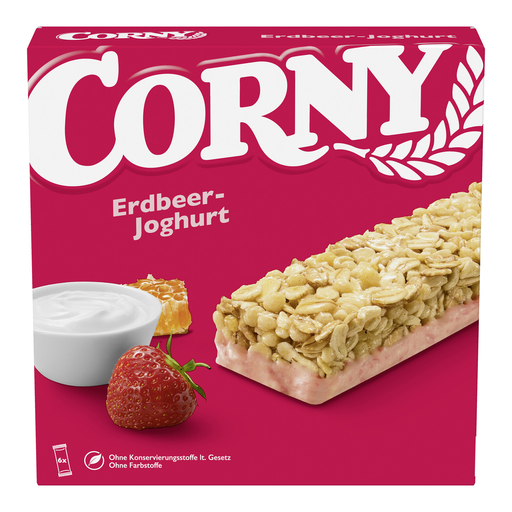
The pack of 25-g bars is a good choice if you’re comparing portion sizes. For a comparison with other varieties, also check the kcal and sugar per 100 g.
 No image available
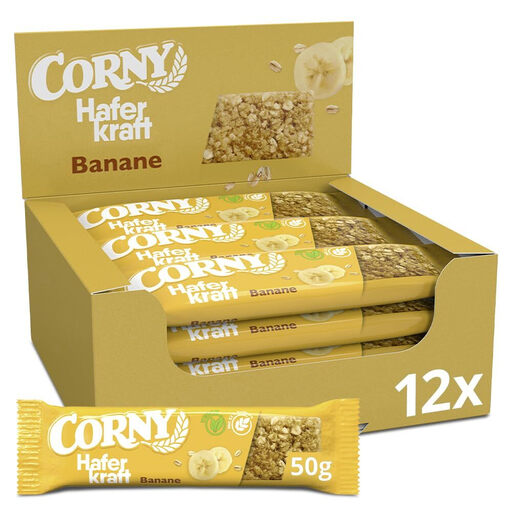
If you’re planning to have a larger bar as a single serving, bear in mind that each one weighs 50 g. For your calorie budget, what matters is the calorie content of that portion, not just the figure per 100 g.
 No image available
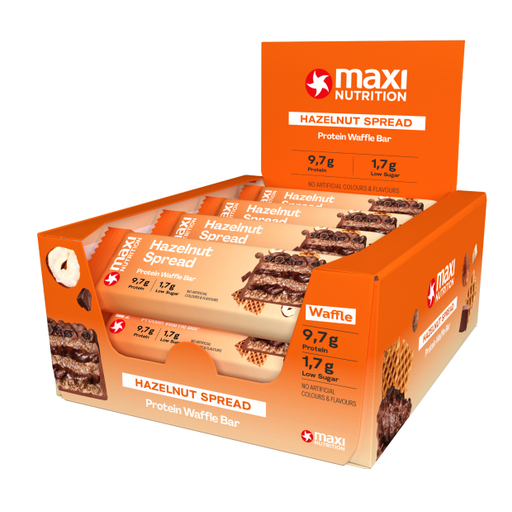
These 39-g protein wafer bars are worth considering if protein content matters to you as well as portion size. Still, compare the calories per bar and check the ingredients before packing them.
Compare both the kcal per bar you eat and the kcal per 100 g. The first helps you plan your portions; the second makes it easier to compare products of different sizes. Under the labelling rules explained by the European Union, calorie content is given per 100 g, and additional serving information may also appear on the pack.
No. That claim alone doesn’t tell you the product’s total calorie content. Check the nutrition information per serving and per 100 g, as well as the ingredients list. Ingredients such as dried fruit or fruit juice concentrate can also contribute to the sugar content.
Read the ingredients list and allergen labelling for the specific variety you want to buy, and check for any may-contain warnings. The European Union explains that allergens must be highlighted in the ingredients list on pre-packed foods. A brand name or type of bar is no substitute for checking the label.
No. Follow the storage instructions on the packaging for each product. The dmBio Mango Fruit Bar should be kept in a dry place, protected from heat. For other varieties, check their own instructions, as well as the best-before date and condition of the packaging.