Travellers short on time to prepare
If you don’t want to prepare or transfer anything before setting off, you can pack ready-to-eat individual portions as they are. Check the packaging to confirm whether a product is individually wrapped.


For a flight day, individually wrapped, ready-to-eat bars in a multipack are a practical choice if you want to spread portions across different stages of your journey or share them with fellow travellers. The key factors are the number of bars, the ingredients in the specific variety and the snack’s texture. Check security rules for creamy or gel-like products, and, if you’re travelling internationally, check the import rules for every country on your route.
If you don’t want to prepare or transfer anything before setting off, you can pack ready-to-eat individual portions as they are. Check the packaging to confirm whether a product is individually wrapped.
Individually wrapped portions are easy to set aside for fellow travellers, a stopover or the return journey. REWE, for example, sells a nut bar multipack containing five individually wrapped bars.
If allergens or a particular diet matter to you or your fellow travellers, check the label for the specific variety. For international journeys, you should also check which foods you’re allowed to bring into your destination and any transit countries.
First, choose a suitable number of individually wrapped portions, then check the texture, ingredients and your travel route. That way, the total pack size alone won’t determine whether it’s right for your flight day.
| What to consider | What to check when buying | Who it matters to |
|---|---|---|
| Ready to eat | Check that the bar has a firm texture and is individually wrapped. For creamy or gel-like products, check your departure airport’s rules. | If I’m setting off straight after shopping, I want to pack a snack that needs no preparation and be able to tell how its texture will be assessed at security. Around 36% of consumers would put this convenience first. |
| Individually wrapped portions | Compare the number of bars, the weight per bar and whether each one is individually wrapped. | For fellow travellers and later stages of the journey, I need individual bars that are easy to grab, rather than lots of snacks in an opened pack. Around 29% of consumers would prioritise individual portions. |
| Ingredients and nutritional information | Read the ingredients and allergen information for the specific variety. If needed, compare the nutritional information per 100 g and per portion. | If several people will be eating them or I’m watching out for particular ingredients, the specific variety needs to meet our requirements. Around 21% of consumers would put these checks first. |
| Taking snacks all the way to your destination | For international travel, check the import rules for your destination and any transit countries, especially if the product contains animal ingredients. | I want to know not only whether I can take the snack through security, but also whether I’ll be allowed to bring it into my destination. Around 14% of consumers would check import rules first. |
EU security checks apply different rules to liquids and gels than to dry, firm bars. According to Your Europe, containers holding more than 100 ml of liquid must go in checked baggage. If you’re unsure how a product’s texture will be assessed, check before you travel.
If a product contains cream, paste, gel or liquid, check your departure airport’s latest guidance instead of assuming that the word ‘bar’ means it’s allowed in your hand luggage.
A large pack doesn’t tell you how many individual snacks you can share or save for later. REWE, for example, sells a multipack with five individually wrapped bars.
Compare the number of bars, the weight of each one and whether they’re individually wrapped with the number of people and stages of your journey you’re planning snacks for.
Ingredients can vary considerably between varieties. For example, a peanut bar listed by REWE includes milk cream, peanuts and milk chocolate. A highlighted nutritional claim doesn’t tell you everything about a product’s ingredients, either.
Read the ingredients, allergen information and nutritional details for the specific variety before packing portions for other people.
A snack that passes through security isn’t automatically allowed into your destination. Your Europe explains that meat and dairy products can be taken for personal consumption when travelling within the EU. Germany’s General Customs Directorate also highlights the strict rules on bringing animal products into the EU from non-EU countries.
For international travel, check the rules for your destination, any transit countries and your return journey separately from the rules for hand luggage.
REWE’s online range includes fruit and cereal bars, as well as nut and protein bars.
ALDI SÜD sells fruit and cereal bars and features other varieties with fruit, biscuits or chocolate.
Knack & Back is an option for snacks you prepare before travelling, rather than a comparable range of ready-to-eat bar multipacks.
These packs are worth considering if you’re looking for several ready-to-eat portions for your flight day. Compare the number of bars and check the packaging, ingredients and suitability for your route for each variety.
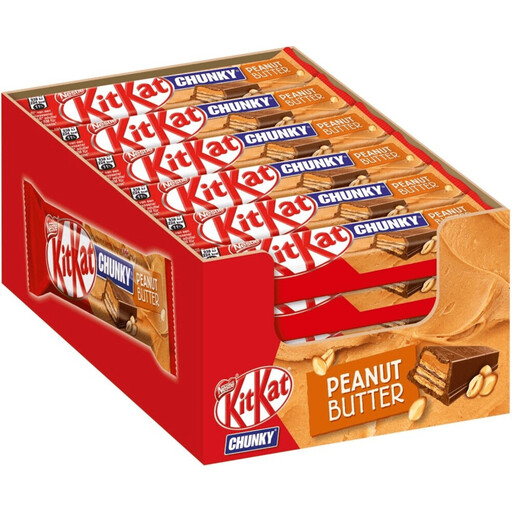 No image available
This pack size makes it easy to set aside several snack portions for fellow travellers or different stages of your journey.
24 bars, each weighing 42 g. As this variety contains peanut butter, check the allergen information for everyone travelling with you. If you’re unsure about the filling, check your departure airport’s rules.
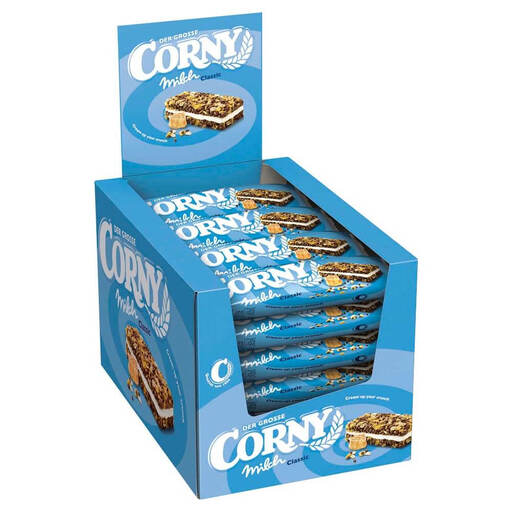 No image available
You can share the 24 bars among your travel group or spread them across several stages of your journey.
Each bar weighs 40 g. For this milk cream variety, check the allergen information. If you’re unsure about the filling’s texture, check your departure airport’s rules.
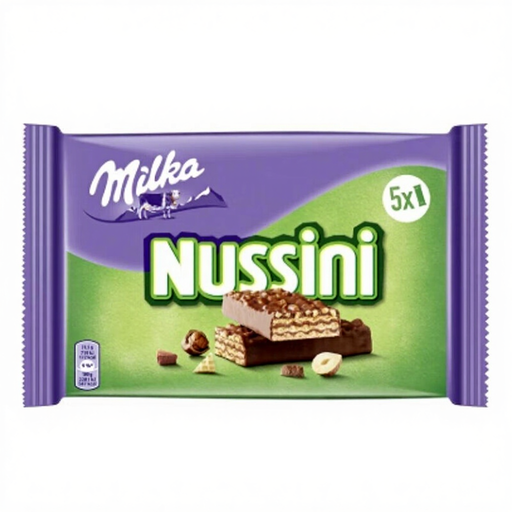 No image available
Five bars are a good fit if you need a smaller number of individual snack portions.
Each bar weighs 31,5 g. For this hazelnut variety, check the allergen information and follow the storage instructions on the pack.
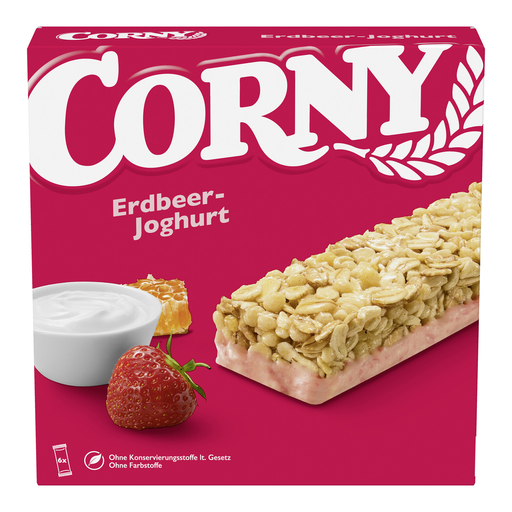 No image available
Six smaller bars may suit you if you want to spread your snacks across several points in your journey.
Each bar weighs 25 g. Check the ingredients and allergen information for the strawberry and yoghurt variety, along with the storage instructions on the pack.
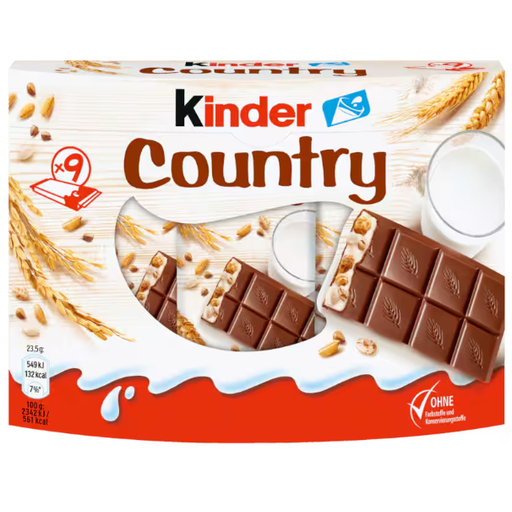 No image available
Nine individually wrapped pieces are handy for sharing if a milk chocolate cereal snack suits your travel group.
The pack states 9 × 23,5 g. Product descriptions may vary between bars and biscuits, so check the specific pack, including its ingredients and allergen information.
A dry, firm bar isn’t subject to EU rules on liquids and gels just because it’s bar-shaped. Creamy, pasty or gel-like ingredients may be treated differently, so check your departure airport’s latest rules.
According to Your Europe, meat and dairy products can generally be taken for personal consumption when travelling within the EU. This isn’t blanket permission to take them to non-EU countries or areas with different rules.
Check your destination’s import rules, and those of any transit countries, separately from the rules for security checks. If you’re returning to the EU, rules on animal products are particularly relevant; Germany’s General Customs Directorate highlights the rules for arrivals from non-EU countries.
No, it only tells you about one aspect of the product. If these details matter to your choice, compare the ingredients, allergen information and nutritional information for the specific variety, both per 100 g and per portion.