What should you look for when buying?
First, check whether the specific variety is suitable for your allergen profile. Then compare the energy per bar and per 100 g. Any other recipe preferences can help narrow down your options, but they do not replace these two checks.
| What matters to you |
What to check when buying |
Who it matters most to |
| Allergens and possible traces |
Read the current ingredients list, highlighted allergens and any precautionary ‘may contain’ information for the specific variety. |
If I need to avoid a particular allergen, the description on the front of the pack is not enough to help me choose. Around 45% of consumers put checking ingredients and possible traces first. |
| Energy per serving |
Compare the kcal per bar and per 100 g using the nutritional information, and take the size of each bar into account. |
For my snack, the energy in the amount I actually eat matters, while the figures per 100 g make bars of different sizes comparable. Around 36% of consumers put comparing calories per serving first. |
| Other recipe preferences |
For plant-based or protein-rich varieties, check the specific ingredients and nutritional information. |
I’m looking for a particular recipe, but I don’t assume that means it is allergen-free or low in energy. Around 19% of consumers prioritise preferences like these when choosing. |
Brands and product ranges to help guide you
These examples show different recipes and things to check. Information about one variety does not necessarily apply to every bar from the same brand.
Premier Protein
Protein bars for comparing individual portions and nutritional information.
- REWE lists the Chocolate Caramel bar as containing 135 kcal and 20 g of protein per 40-g serving.
- The listed variety contains milk and soya; according to REWE, it may also contain traces of peanuts, tree nuts and gluten, among other allergens.
Layenberger
Low-carb protein bars for which you should check the energy information separately.
- The Schoko-Nuss variety listed by REWE is stated to contain 372 kcal per 100 g.
- This variety contains milk, soya and hazelnuts. ‘Low carb’ does not tell you whether it is suitable for your allergies or how many kcal there are per bar.
REWE PWR
REWE’s own-brand protein bars, available in several varieties.
- On 1 September 2026, REWE announced the launch of six protein bars in the range.
- If you have an allergy, your choice should depend on the ingredients and allergen information for the specific variety, not on its place in the product range.
Barebells
Vegan protein bars for people looking for a plant-based recipe.
- REWE describes the vegan Caramel-Choco-Chip bar as containing 15 g of protein per 55-g bar.
- For another vegan variety, REWE lists protein from soya, peas and rice. So ‘vegan’ alone does not tell you whether a variety is suitable for your allergen profile.
Snack bars at Joybuy
This selection includes oat, wafer and protein bars for comparing serving sizes, ingredients and allergen information. Whether a variety is suitable if you have a food allergy depends on the current information for that specific product.
 No image available
Corny Haferkraft Zero Peanut Butter Oat, 12 × 50 g
An oat bar for comparing ingredients and individual portions. The product description lists peanuts and gluten-containing oats as ingredients, and says it may contain traces of other nuts and milk. Check the current pack and the kcal per bar before considering this variety.
View at Joybuy
 No image available
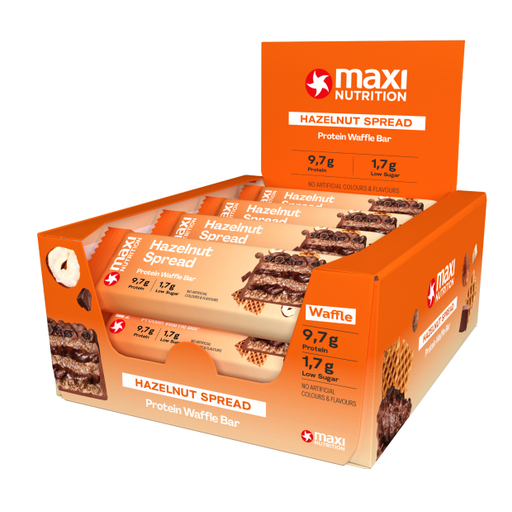
Maxi Nutrition Muesli Nut Butter Protein Wafer, 12 × 39 g
For this wafer bar, the 202 kcal stated in the product name can be considered in relation to a 39-g serving. According to the product description, it contains milk, soya, wheat and hazelnuts; it may also contain traces of other nuts. The description also lists maltitol and warns that excessive consumption may have a laxative effect.
View at Joybuy
 No image available
Power System Low Carb Cookies & Cream Protein Bar, 40 g
This 40-g protein bar is useful for comparing the recipe and energy per serving separately. According to the product description, it contains milk and soya; it may also contain traces of gluten, egg, peanuts and tree nuts. Check the current pack for the kcal per bar too.
View at Joybuy
 No image available
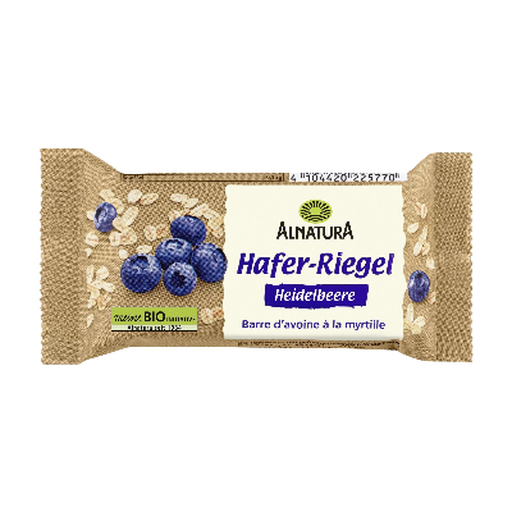
Alnatura Organic Blueberry Oat Flapjack, 60 g
For this 60-g oat bar, the main thing is to check the specific ingredients list against your allergen profile. The product description lists gluten-containing oats and says it may contain traces of egg, milk, sesame, soya and nuts. To compare servings, check the kcal per bar on the current pack.
View at Joybuy
 No image available
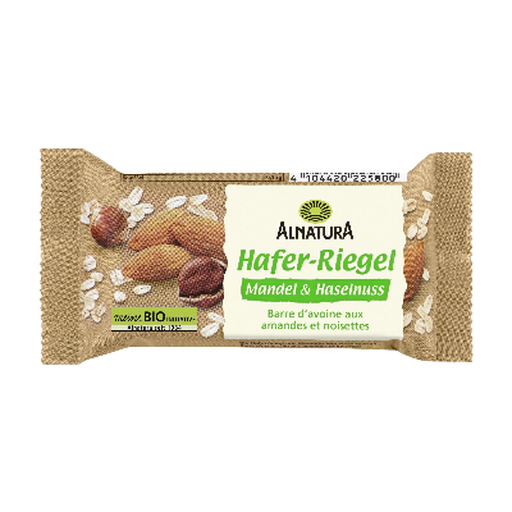
Alnatura Organic Almond Hazelnut Oat Flapjack, 60 g
This 60-g oat bar is only suitable if its ingredients match your personal allergen profile. According to the product description, it contains gluten-containing oats, almonds and hazelnuts; it may also contain traces of egg, milk, sesame, soya and other nuts. Check the current pack to compare the kcal per bar too.
View at Joybuy
Frequently asked questions
Where can I find allergen information on a packaged snack bar?
As Lebensmittelklarheit explains, allergenic ingredients that have been deliberately added to packaged foods are highlighted in the ingredients list. Check the information for the specific variety on the current pack; any additional precautionary ‘may contain’ information refers to something different.
What does ‘may contain traces of nuts’ mean?
This warning alerts you to possible accidental presence, but it does not set a standard level of contamination. According to Lebensmittelklarheit, there is no single legal standard for additional precautionary ‘may contain’ information, so do not treat it as a standardised safety guarantee.
Is a vegan snack bar also free from soya or nuts?
No: ‘vegan’ refers to animal-derived ingredients, not soya or nuts. Check the ingredients list and any precautionary ‘may contain’ information for the specific variety instead of assuming the vegan label means it is suitable for your allergy.
Is a low-carb bar automatically low in calories?
No: the term ‘low carb’ is no substitute for energy information. Compare kcal per bar for the portion you plan to eat and kcal per 100 g to compare bars of different sizes. For example, REWE lists 372 kcal per 100 g for the Layenberger Low Carb Proteinriegel Schoko-Nuss.
What does ‘reduced energy’ mean?
For a food labelled ‘reduced energy’, its energy content must be at least 30% lower than that of a comparable product. The reason for the reduction must also be stated. This is set out in the EU Regulation on nutrition and health claims. The claim is a comparison and does not, by itself, tell you how many kcal are in one bar.


