People with a set portion limit
You want to know the kcal in the whole bar or pack for your desk break. A figure per 100 g alone won’t tell you how much you’ll get from one portion when bars come in different sizes.


For a quick lunch break at your desk, start by looking at the energy content of the portion you’ll actually eat – not just the figure per 100 g. Then decide whether a small portion, the protein and fibre content, or checking the sugar and ingredients matters most to you. A small bar isn’t automatically a complete lunch.
You want to know the kcal in the whole bar or pack for your desk break. A figure per 100 g alone won’t tell you how much you’ll get from one portion when bars come in different sizes.
You’re looking for more than a small sweet snack, so you pay attention to the protein and fibre in each bar. A larger portion or a different recipe may also contain more kcal.
You want to compare sugar and sweeteners, or you need to check the ingredients and allergens in a particular variety. What matters is the information for the specific bar, not the brand’s general description.
First, compare the kcal in the portion you plan to eat. Then check the nutritional information and ingredients that matter to your choice.
| Criterion | What to check when buying | Who it matters most to |
|---|---|---|
| Kcal per portion | Energy content of the whole bar, the bar’s weight and how many bars you plan to eat. | If I’m planning to have just one bar during a quick break, I want to know its total energy content. Around 40% of consumers put calories per portion first. |
| Protein and fibre | Figures per bar, rather than just per 100 g; also check the kcal in the portion. | I want to consider protein and fibre in my snack, even if keeping the portion as small as possible isn’t my main priority. This nutritional profile is the main focus for around 30% of consumers. |
| Sugar and sweeteners | Sugar in g per bar, and any sweeteners or sugar substitutes in the ingredients list. | I want to choose a lower-sugar option without overlooking the other ingredients or the kcal. Around 20% of consumers put checking sugar first. |
| Ingredients and allergens | Ingredients, highlighted allergens and ‘may contain’ statements for the specific variety. | If I need to avoid certain ingredients or follow a particular diet, I check the individual pack before anything else. This check takes priority for around 10% of consumers. |
Bars can vary in weight. For your break, the energy content of what you actually eat is what counts: a 30 g bar listed by ProFuel at 99 kcal and a 35 g bar listed by PowerBar at 111 kcal are different-sized portions.
Check the kcal per bar alongside its weight. You can also use the figure per 100 g to compare nutritional information.
Sugar content alone doesn’t tell you the total energy content or all the ingredients. Some bars contain sugar substitutes, which, according to Verbraucherzentrale, may have a laxative effect in large quantities.
Compare the sugar and kcal per portion, and check the ingredients list and any warnings on the pack.
The ingredients and allergens listed vary between the bars described. Some products, for example, list milk, soya or collagen hydrolysate; possible traces also depend on the variety.
For the specific variety, check the current ingredients list, highlighted allergens and any ‘may contain’ statements.
A low kcal figure may reflect a small portion. It doesn’t mean that a single bar will meet your needs as a lunch.
Decide whether you’re planning a snack for a quick break or a meal, then judge the portion size accordingly.
The product ranges below show different portion sizes and nutritional information. Compare the specific variety each time; the brand alone won’t tell you which option is right for you.
The Protein+ bars described here let you compare sugar, protein and, in some cases, fibre per bar.
NEXUS Double Chocolate Crispy is a small snack with a clearly defined individual portion.
The Yoghurt-Cereal protein bar sold by dm can be compared using its nutritional information per 100 g.
The lemon yoghurt flavour bar has nutritional information you can compare with other specific varieties.
REWE describes PWR as a protein range that also includes bars.
These individually portioned protein and snack bars are worth considering for a quick break at your desk. Before choosing, compare the kcal in the whole bar and the ingredients that matter to you; the product name alone doesn’t indicate a single calorie limit.
 Image unavailable
If you’re looking for a set individual portion for a break at your desk, you can compare the kcal in this 55 g bar with the portion you have in mind. The listing describes a pack of 12; check the ingredients and allergens on the current pack.
 Image unavailable
For an individually portioned break, the product name states that the pack contains twelve 45 g bars. Before choosing it to meet a set portion limit, check the kcal per bar and the sugar content on the pack.
 Image unavailable
This snack, listed as a 40 g bar, may suit you if you’re looking for an individual portion for your break. Check the energy content on the pack against this bar’s weight; the term ‘Low Carb’ doesn’t tell you how many calories it contains.
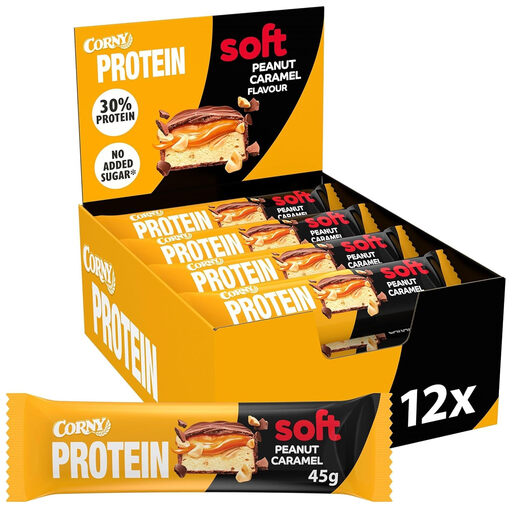 Image unavailable
The listing describes twelve individually portioned 45 g bars with a peanut caramel flavour. If you want to limit sugar and kcal, check both figures per bar as well as the ingredients on the current pack.
 Image unavailable
If you’re comparing protein bars for individual breaks, first check the pack size and portion weight for this Chocolate Caramel variety. To choose based on calories, you’ll also need the energy content per whole bar, as shown on the pack.
For the break you’re planning, the energy content of the bar you’ll eat is what matters; the figure per 100 g is also useful for comparing products of different sizes. Under EU labelling rules, nutritional information for prepacked foods is given for a standard amount, while portion information may also be provided. So check the weight and how many bars you plan to eat, too.
No. A low sugar content doesn’t tell you whether you’ll tolerate all the ingredients. Some bars contain sugar substitutes such as maltitol; Verbraucherzentrale notes that sugar substitutes may have a laxative effect in large quantities. Also read the allergen and warning information for the specific variety.
Online information can help you narrow down your options, but if you have an allergy, follow a particular diet or have a set calorie limit, you should check the current pack. For the bar described here, EDEKA explicitly notes that the product information shown may differ from the packaging.