Who is this comparison useful for?

Picnickers keeping an eye on fat content

You want to compare varieties by their total fat content rather than relying on the design on the front of the pack. The figure per 100 g is more useful for this than the figure per bar, as bars can vary in size.

Fans of familiar ‘light’ varieties

You want to compare a familiar snack bar with another variety. The key is to check whether the reduction claim refers to fat and how much fat the bar you’ve chosen actually contains.

People shopping for a group

You need bars that suit everyone’s dietary requirements. Check the ingredients, highlighted allergens and, where relevant, claims such as ‘vegan’ or ‘gluten-free’ on each specific pack.

What should you look for when buying?

When choosing snack bars for a summer picnic, start by checking the nutrition information per 100 g, then make sure they’re suitable for everyone and consider pack size and transport. Lebensmittelklarheit says that ‘low fat’ means no more than 3 g of fat per 100 g; a reduction claim, on the other hand, is a comparison and doesn’t replace checking the actual fat content.

Criteria What to check Who it matters to
Fat content and claims Compare fat and saturated fat per 100 g. For ‘reduced fat’ or ‘light’ claims, also check what they’re being compared with. I want to choose a bar for the picnic based on its actual fat content, rather than relying on ‘light’ alone. This is a priority for around 50% of consumers.
Ingredients and allergens Read the ingredients list, highlighted allergens and any precautionary allergen statements on the specific pack. If several people are sharing, I mainly need to know whether the variety I’ve chosen is suitable for them. This is a priority for around 30% of consumers.
Servings and transport Choose the pack size and number of bars to suit your group; plan separately how to keep perishable accompaniments chilled. For our picnic basket, I want to bring the right quantities and store chilled foods properly while travelling. This is the main concern for around 20% of consumers.

Common selection mistakes

  • Assuming ‘reduced fat’ means ‘low fat’

    A reduction compared with another variety doesn’t necessarily mean the bar has a low overall fat content. ALDI SÜD lists 9,4 g of fat per 100 g for CORNY Schoko light.

    If the actual figure matters to you, check the nutrition information per 100 g. Lebensmittelklarheit says that ‘low fat’ means no more than 3 g of fat per 100 g.

  • Looking only at the figure per bar

    Bars can vary in size, so the figure per serving alone doesn’t make the fat content of two varieties directly comparable.

    Use the figures per 100 g for comparison, and check sugar, energy and salt as well as fat. You can then use the serving size to plan for your group.

  • Assuming ‘organic’ or ‘gluten-free’ means less fat

    These claims describe other product characteristics. EDEKA lists 32 g of fat per 100 g for its organic sesame crisp bar.

    Check dietary requirements and fat content separately. If you have a sesame allergy, the allergen information on the specific pack is also essential.

  • Transporting all picnic food in the same way

    Storage instructions for a packaged bar don’t automatically apply to perishable accompaniments. Verbraucherzentrale advises keeping chilled foods at the right temperature during transport.

    Follow the bar’s storage instructions and use a cool bag with ice packs for foods that need to be kept chilled.

Brands and ranges to help you choose

CORNY

The Schoko light and Milch Classic cereal bars listed by ALDI SÜD give you two specific fat contents to compare.

  • ALDI SÜD lists 9,4 g of fat per 100 g for Schoko light and 19,1 g per 100 g for Milch Classic.
  • The figures for these two varieties don’t represent the entire CORNY range; ‘light’ doesn’t mean ‘low fat’ here either.

GOLDEN BRIDGE

ALDI SÜD sells several types of bar under this own brand, including cereal bars and a chocolate ‘light’ variety.

  • The range of bar types lets you narrow down your options based on the kind of snack you want.
  • For fat content, ingredients and allergens, check the labelling for the specific variety.

REWE Bio

The REWE range includes various organic snacks, including oat and chocolate bars and fruit bars.

  • If you’re looking for an organic option, you can choose between different types of snack.
  • The organic label doesn’t tell you how much fat or sugar a particular variety contains.

EDEKA Bio

The organic sesame crisp bar listed by EDEKA shows why the nutrition information for a specific variety matters more than a general category label.

  • EDEKA lists 32 g of fat per 100 g for this bar and identifies sesame as an allergen.
  • If you’re looking for a lower fat content or need to avoid sesame, take these specific details into account when choosing.

Snack bars at Joybuy

This hawthorn bar could be an option for a summer picnic. Before choosing it, compare the nutrition information and ingredients on the pack with your own requirements and those of anyone sharing it.
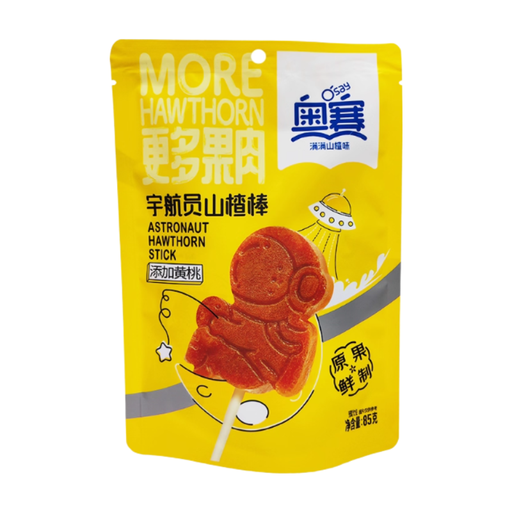
O'Say astronaut-shaped hawthorn bar, 85 g pack

O'Say astronaut-shaped hawthorn bar, 85 g

If you want to choose a bar for your picnic based on its fat content, check the nutrition information per 100 g for this variety and compare the sugar content too. The pack contains 85 g; for other dietary requirements, the information on the specific pack is what matters.

View at Joybuy

Frequently asked questions

Is a ‘light’ bar automatically low in fat?

No. ‘Light’ on its own doesn’t state the actual fat content. Lebensmittelklarheit says that ‘low fat’ means no more than 3 g of fat per 100 g; if a product is labelled ‘light’ or makes a reduction claim, also check what the claim refers to.

Which nutrition values should I compare between two bars?

Compare the figures per 100 g, particularly energy, fat, saturated fat, sugar and salt. This accounts for differences in bar size; you can then take the serving size into account when planning your picnic.

How do I choose bars for people with allergies?

For each variety you’re considering, check the ingredients list, highlighted allergens and any precautionary allergen statements on the pack. Don’t rely solely on the snack category or the labelling on another variety.

Do snack bars need a cool bag for a summer picnic?

Follow the storage instructions on the bar’s pack. If you’re also bringing food that needs to be kept chilled, maintain the cold chain during transport; Verbraucherzentrale recommends using a cool bag with ice packs.