Hosts sharing out portions
If several people need to help themselves without cutlery, individually wrapped bars and a pack size that suits the group can make things easier. You can work out how many portions you need before you shop.


Individually wrapped bars are a practical starting point for a summer picnic snack selection, as long as their storage instructions suit your plans for taking them along. Choose portion sizes and varieties to suit your group, and check the ingredients and allergens on every pack. According to the consumer advice centre and the Federal Institute for Risk Assessment, items that need to be kept chilled should be transported separately and kept sufficiently cold.
If several people need to help themselves without cutlery, individually wrapped bars and a pack size that suits the group can make things easier. You can work out how many portions you need before you shop.
A mix of different types of bars can work well for an outing. If you’re looking for, say, a variety labelled vegan or one with plenty of nuts, check the information on the specific pack rather than relying on the product category alone.
If anyone has allergies or follows a particular diet, check that the ingredients, highlighted allergens and any precautionary allergen information are suitable for them before sharing. The European Commission notes that ingredients from 14 allergen groups used in the EU must be clearly identified.
First, work out how many individual portions you need and take account of the group’s ingredient requirements. Then check the storage instructions to see which items need protecting from the heat and which extra foods need to be kept chilled.
| Criteria | What to check | Who it matters to |
|---|---|---|
| Individual portions | Check the number of bars and the grams per portion against the size of your group. | If I want to hand out snacks without splitting them up, I need enough individually wrapped portions. For around 31% of consumers, being able to share them out is the top priority. |
| Ingredients and allergens | Read the ingredients list, highlighted allergens and any precautionary allergen information for each variety. | If people have different dietary preferences or allergies, I want to know which varieties are suitable for whom before sharing them. Around 23% of consumers give this check top priority. |
| Storage in warm weather | Check the storage instructions for the bars; plan to use a cool bag with ice packs for any items that need to be kept chilled. | If the picnic is in the sun, I want to store the bars appropriately and take any perishable extras along chilled. This transport question is the main concern for around 31% of consumers. |
| Savoury options | For meat snacks, check the specific variety’s ingredients, suitability for different diets and storage instructions. | If my group specifically wants something savoury alongside sweet bars, the extra portion should fit the bill. This is a priority for around 15% of consumers. |
A vegan recipe doesn’t tell you whether a bar is suitable for people with specific allergies. For example, Seeberger’s vegan Protein Nut Bar lists almonds, cashews, soya and wheat, as well as possible traces of other ingredients.
Before sharing, check the ingredients list, highlighted allergens and any precautionary allergen information for every variety.
You can’t assume that the storage conditions for a long-life bar also apply to perishable picnic foods. The Federal Institute for Risk Assessment recommends keeping these foods as cold as possible until they’re eaten.
Follow the bars’ storage instructions and transport any items that need to be kept chilled separately in a cool bag with cold ice packs.
When a product is stored correctly, its best-before date relates to the quality the manufacturer promises. A use-by date, on the other hand, concerns the safety of perishable foods, explains the consumer advice centre.
Check the date, storage instructions and packaging of the specific products. Food labelled “use by” shouldn’t be eaten after that date just because it smells fine.
Products from the same brand can vary in their ingredients, allergens and portion sizes. What matters for your picnic group is the variety you choose, not the brand in general.
Check the product name, ingredients, nutrition information, portion size and storage instructions on the actual pack.
Seeberger makes nut bars for on-the-go snacking; the manufacturer lists its Protein Nut Bar as a 35-g portion.
BiFi Original is a savoury meat option for groups who want to take more than just sweet bars along.
Kölln has a recipe for homemade oat, carrot and apple bars as an alternative to individually wrapped, ready-made portions.
This selection includes portioned nut and cereal bars for a summer picnic mix. Pack sizes vary, so check the ingredients and allergens for each variety before handing them out, and follow the storage instructions.
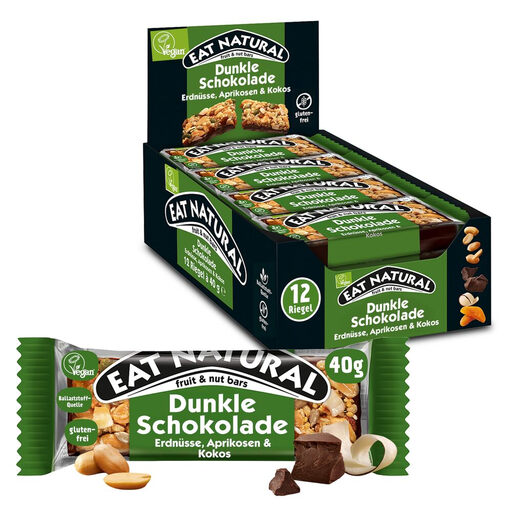 No image available
This pack of 12 bars, each weighing 40 g, could suit a group looking for individually wrapped portions with peanuts, coconut and dark chocolate.
This variety is labelled vegan. Still, check the allergen and precautionary allergen information on the pack, and follow its storage instructions when transporting it.
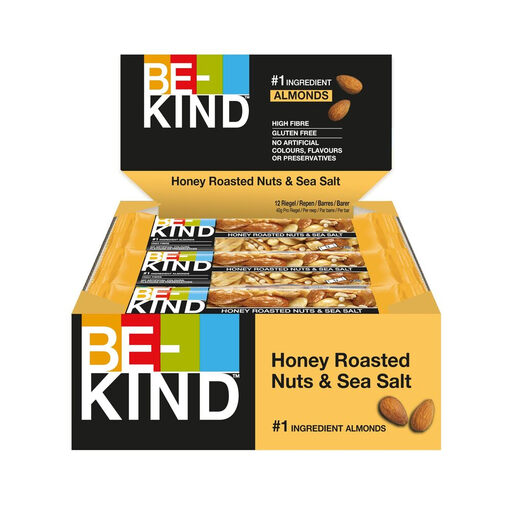 No image available
Twelve 40-g portions make it easy to plan for a group looking for a nut-packed bar with a sweet-and-salty flavour.
Check the specific pack to see which nuts and other allergens may be relevant to everyone sharing it. Follow the storage instructions too.
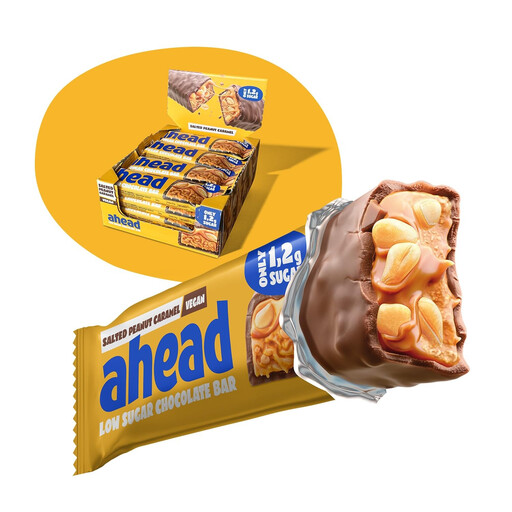 No image available
This pack contains 16 bars, each weighing 35 g, and could work if you’re looking for Salted Peanut Caramel portions for a group.
The “Low Sugar” label doesn’t replace a check of the nutrition information. Also check the ingredients, allergens and consumption advice on the specific pack.
 No image available
Six 20-g cereal bars provide smaller individual portions for a mixed picnic snack selection.
The “No Added Sugar” wording in the product name doesn’t replace a check of the ingredients and nutrition information. Check the allergens and storage instructions before sharing too.
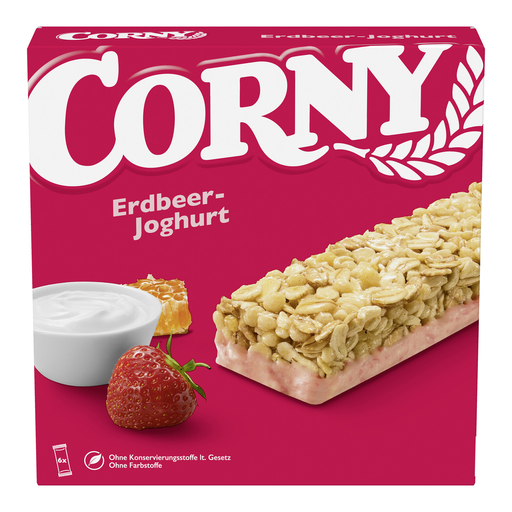 No image available
These six 25-g cereal bars add a strawberry and yoghurt option to your picnic selection.
Before handing them out, check the ingredients and allergen information for this specific variety, as well as its storage instructions.
For long-life bars, follow the storage instructions for each variety and protect them from heat and moisture as directed. If you’re taking perishable or chilled items too, the consumer advice centre recommends using a cool bag with cold ice packs in summer. The Federal Institute for Risk Assessment advises keeping perishable food as cold as possible until it’s eaten.
Before handing out each variety, read its ingredients list, highlighted allergens and any “may contain” information. The European Commission says that ingredients from 14 allergen groups used in the EU must be clearly identified; possible traces are also important when choosing products for individuals.
A best-before date isn’t the same as a use-by date: when food is stored correctly, it relates to the quality the manufacturer promises, explains the consumer advice centre. Check the storage conditions, packaging and product before taking it along. Food labelled “use by” shouldn’t be used after that date.