Anyone keeping an eye on portion size
If you’re planning to eat a bar at your picnic, the kcal per bar are just as important to your choice as the figure per 100 g.


When calories per snack matter at a summer picnic, first compare the kcal in the bar you’ll actually eat – not just the figure per 100 g. Then check the ingredients, sugar and allergens on the pack. A smaller bar may contain fewer kcal per serving even if its energy density is higher; claims such as ‘no added sugar’ or ‘organic’ are no substitute for this comparison.
If you’re planning to eat a bar at your picnic, the kcal per bar are just as important to your choice as the figure per 100 g.
If you’re shopping for a group, check the ingredients and allergens for each variety on the current pack before handing the bars out.
If you look for ‘no added sugar’, also compare the sugar and energy figures in the nutritional information. That claim alone doesn’t tell you how many kcal a bar contains.
First decide how many bars you’re planning per person. Then compare the nutritional values for that portion and check the pack for ingredients, allergens and storage instructions before sharing.
| What to check | What to look for | Who is it important for? |
|---|---|---|
| kcal per portion | Compare kcal per 100 g with the weight of each bar. For a whole bar: kcal per 100 g × bar weight in g ÷ 100. | If I’m planning one bar, I want to know its calories per serving. For around 50% of consumers, comparing portions is the main priority. |
| Ingredients and allergens | Read the current ingredients list and allergen information, and check any dietary claims against the specific variety. | If I’m bringing bars for others, I need to know which ingredients matter to them. For around 30% of consumers, this check takes priority. |
| Pack and storage | Check the number of bars, the weight of each bar and the storage instructions on the pack. | For a picnic with several people, I want to share the bars out appropriately and store them according to the pack instructions while we’re out. Around 20% of consumers prioritise this. |
This claim doesn’t tell you the energy value. For RAWBITE Cacao, the product listing at dm-drogerie markt gives 443 kcal and 38 g of sugar per 100 g.
Compare energy, sugar and bar weight separately if you want to choose a particular portion.
The size of each bar can change the result for a single snack. According to EDEKA, a GUT&GÜNSTIG chocolate muesli bar weighs 25 g; at 442 kcal per 100 g, that works out at around 111 kcal per bar. A 35 g dmBio Apple & Cinnamon oat bar at 379 kcal per 100 g works out at around 133 kcal per bar.
Work out both figures for the amount you actually want to eat.
‘Vegan’ or ‘organic’ doesn’t answer questions about allergens. The product listing for the dmBio Apple & Cinnamon oat bar also shows both a gluten-free claim and wheat in the allergen information.
If you have an allergy or coeliac disease, check the current pack. Clarify any conflicting information before choosing or sharing the bar.
The dmBio Apple & Cinnamon oat bar should be stored in a cool, dry place. This doesn’t mean that all bars are suitable for hot summer weather.
Follow the instructions on the relevant pack and, while you’re out, keep bars out of direct sunlight where possible.
The Apple & Cinnamon oat bar is an example of a 35 g oat bar.
Cacao is a 50 g raw bar made with dates and nuts.
EDEKA’s chocolate muesli bar is sold in a pack of eight, with each bar weighing 25 g.
These cereal and oat bars have individual weights shown in their product names. This helps you plan portions; to compare calories, also check the latest nutritional information for each variety.
 No image available
The 20 g bar size is easy to plan for if you’re allowing one bar per person. Compare the kcal per bar for this variety and check the current ingredients and allergen information before sharing; ‘No Added Sugar’ isn’t a calorie claim.
 No image available
Six 20 g bars make it easier to plan individual portions. Compare the nutritional information for this variety with other 20 g bars, and check the ingredients and allergen information on the pack if needed.
 No image available
If you’re planning a whole 50 g oat bar, compare its kcal per bar with those of smaller portions. As this variety contains peanuts, it’s particularly important to check the current ingredients and allergen information before sharing.
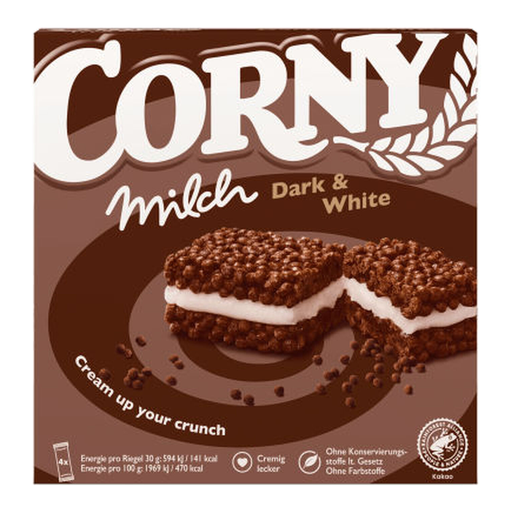 No image available
The product name says the pack contains four bars, each weighing 30 g. If you’re planning a whole bar as one portion, compare its kcal per bar and check the allergen information on the current pack too.
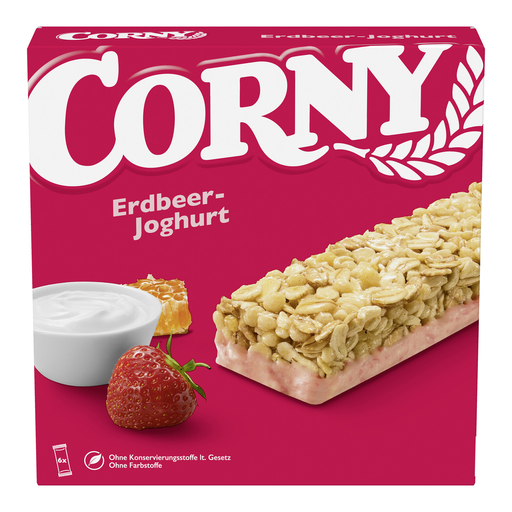 No image available
The six 25 g bars make it easy to plan portions by the number of bars. The latest nutritional information will show whether this portion size suits your calorie comparison; you should also check the ingredients and allergens before sharing.
Compare the kcal per 100 g to see the energy density, then work out the figure for your planned portion: kcal per 100 g × bar weight in g ÷ 100. This lets you see how many kcal a whole bar of each variety contains.
No. ‘No added sugar’ doesn’t give you the kcal per portion and doesn’t mean that the bar contains no sugar. Compare the energy and sugar figures in the nutritional information, as well as the bar’s weight.
Check the ingredients list and allergen information on the current pack for each variety. Dietary claims such as ‘vegan’ are no substitute for this check; if information conflicts, clarify whether the bar is suitable before sharing.
Follow the storage instructions for the specific bar. If the pack says to store it in a cool, dry place, protect it from direct sunlight and unnecessary heat while you’re out.