A bar can be a handy addition to a school bag, provided its portion size, sugar content, ingredients and allergens suit your needs. The words ‘muesli’, ‘fruit’ or ‘protein’ alone won’t tell you that. For a school break, the Federal Centre for Nutrition recommends a breakfast at home supplemented by food at school – so a bar shouldn’t automatically replace a packed lunch.
Who should take care when choosing?
Parents and teenagers keeping an eye on sugar
If you’re looking for a bar for break time, don’t rely on names such as ‘muesli’ or ‘fruit’ alone. The consumer advice centre recommends checking the nutrition information to compare sugar. The ingredients and portion size also help you assess the specific variety.
Families managing allergies or specific dietary requirements
For these families, the labelling on the bar you’re actually buying matters. The ingredients and highlighted allergens must meet your requirements; a ‘vegan’ label doesn’t replace checking the ingredients list if you have an allergy.
Families planning several break-time snacks
For multipacks, the number and size of the bars matter. If you want to pack individual portions in a school bag, check whether each bar is wrapped separately too.
Which criteria matter?
Start by choosing the type of bar that suits the snack you want for break time. Then check the specific pack: sugar content and portion size can only be meaningfully compared using the same basis.
Muesli bars
A good fit if: You’re looking for a compact snack to add to a short break.
Bear in mind: The name alone tells you nothing about the sugar or allergens in the variety you choose.
Fruit or date bars
A good fit if: You prefer fruit ingredients to a chocolate-flavoured option.
Bear in mind: Fruit ingredients, syrup or fruit concentrate don’t automatically make a bar low in sugar.
Protein bars
A good fit if: You have a specific reason for choosing a product with a higher protein content.
Bear in mind: The consumer advice centre says extra protein is usually unnecessary for general nutritional needs; ingredients and allergens matter just as much.
| Criteria |
What to check when buying |
Who it matters to |
| Sugar and ingredients |
Compare ‘of which sugars’ per 100 g and per bar; also read the ingredients list. |
If I don’t want to choose a break-time snack based on its name alone, I want to be able to check its sugar content. This comparison is a priority for around 36% of consumers. |
| Allergens and dietary requirements |
Check the highlighted allergens and dietary information on the specific pack. |
If there are ingredients I need or want to avoid, I need clear labelling for the variety I’ve chosen. This is a priority for around 29% of consumers. |
| Portion and portability |
Check the weight of each bar and the pack contents; if you want individual portions for a school bag, look for separate wrapping. |
I want to be able to include a bar at break time without mistaking it for a complete packed lunch. Around 21% of consumers focus mainly on this format. |
| Protein claims |
Compare protein, sugar and ingredients with another bar, using the same per-portion or per-100 g basis. |
If the protein claim appeals to me, I want to know how the specific recipe differs from another variety. This is the main consideration for around 14% of consumers. |
What’s easy to overlook?
-
Assuming ‘muesli’ or ‘fruit’ means low in sugar
The consumer advice centre points out that only the nutrition information tells you how much sugar a product contains. Syrups and concentrated fruit juices shouldn’t be judged differently based on their names alone either.
Compare ‘of which sugars’ per 100 g and per bar, and read the ingredients list too.
-
Choosing protein bars without a specific reason
A higher protein content doesn’t tell you about the other ingredients or allergens. The consumer advice centre says extra protein products are usually unnecessary for general protein needs.
If you’re choosing a high-protein bar, compare its sugar, ingredients and portion size with a standard variety too.
-
Relying on the front of the pack to check for allergens
Depending on the recipe, bars may contain ingredients such as cereals, milk, nuts, peanuts or soya. Allergen labelling relates to the specific ingredients list, not to similar products in the same range.
Check the highlighted allergens every time you try a new variety. If precautionary ‘may contain’ information is relevant to your choice, check that on the pack too.
-
Planning for a bar to make up a whole school meal
A convenient snack to take with you doesn’t automatically do the same job as a prepared lunchbox. The Federal Centre for Nutrition describes a school meal as a supplement to breakfast at home.
Plan to have the bar as an extra; for a school meal, you could consider bread containing wholemeal, fruit or vegetables, for example.
Brands and ranges to help you choose
The names below are starting points for finding different types of bars, not an assessment of every product from each brand. The labelling on the pack you choose is what matters.
CORNY
The REWE online range includes various muesli and other bars under CORNY, including chocolate, nut, oat and protein varieties.
- A range of flavours and pack sizes gives you several options to consider.
- Sugar, ingredients and allergens need to be checked for each variety individually.
REWE Bio / REWE frei von
These REWE ranges include fruit bars, oat bars and varieties labelled ‘free from’ certain ingredients.
- The different product types make it easier to look for specific ingredients or dietary options.
- ‘Organic’ or ‘free from’ labelling doesn’t replace checking the nutrition information and allergens for the specific product.
Seitenbacher
Seitenbacher says it makes muesli, fruit, oat, nut and protein bars; the manufacturer describes some varieties as vegan or gluten-free.
- The product ranges offer a choice of different ingredients and types of bar.
- Dietary claims apply only to the specific variety labelled as such. Check its pack for ingredients and allergens.
Bars at Joybuy
These multipacks contain muesli or cereal bars that could work as an addition to a school break. If you want to pack each bar separately, make sure the pack you choose is explicitly labelled as individually wrapped.
 No image available
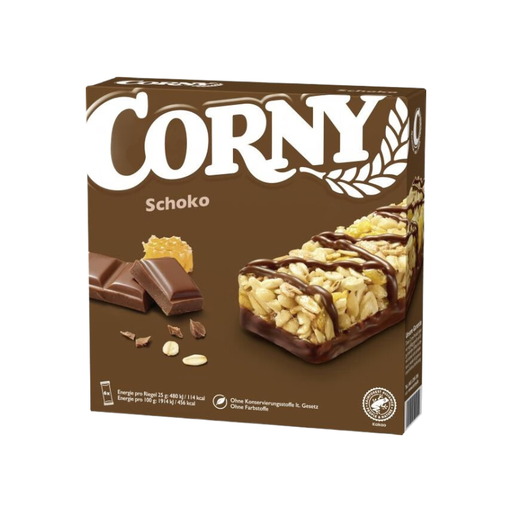
Corny Chocolate cereal bars, 6 × 25 g
This pack of six 25 g bars could work for planning individual break-time snacks. Check the sugar information, ingredients and allergens on the pack for the variety you choose.
View at Joybuy
 No image available
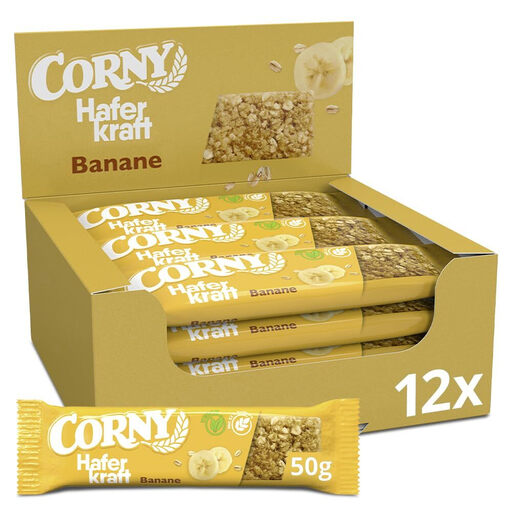
Corny Haferkraft Banana oat bars, 12 × 50 g
Twelve 50 g bars can be planned as individual portions. If you want to put each bar in a school bag separately, check the packaging type; also make sure the ingredients and allergens suit your needs.
View at Joybuy
 No image available
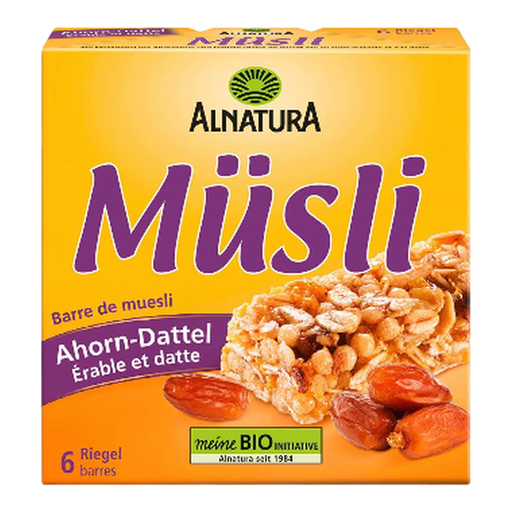
Alnatura Organic Maple & Date muesli bars, 6 × 25 g
These six 25 g bars are an option if you’re looking for a muesli bar with date flavour. ‘Date’ in the name doesn’t replace checking the nutrition information, ingredients and allergens.
View at Joybuy
 No image available
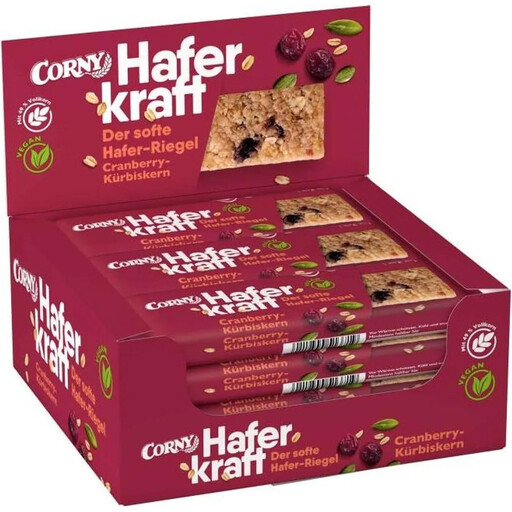
Corny Haferkraft Cranberry oat bars, 12 × 50 g
This pack of twelve 50 g bars could be a handy stock of break-time snacks. Before packing them separately, check whether they’re individually wrapped, and compare the nutrition information for the variety you choose.
View at Joybuy
 No image available
Corny Free Chocolate No Added Sugar cereal bars, 6 × 20 g
Six 20 g bars offer a different portion size from the other packs in this selection. Don’t take ‘No Added Sugar’ to mean that the product contains no sugar; check the nutrition information, ingredients, allergens and how the individual bars are wrapped.
View at Joybuy
Frequently asked questions
Can a snack bar replace a packed lunch?
A bar shouldn’t be a regular replacement for a school meal. The Federal Centre for Nutrition recommends breakfast at home and a complementary meal at school; a bar is better suited to an extra snack.
How do I compare the sugar in bars of different sizes?
First compare the ‘of which sugars’ figure per 100 g, then take the size of each bar into account. The consumer advice centre recommends checking the nutrition information for the actual sugar content rather than relying on the product name.
Is the information on the front enough if you have an allergy?
No. The ingredients and allergen labelling on the specific pack are what matter. As Lebensmittelklarheit and the EU’s consumer information on food labelling explain, allergenic ingredients must be highlighted in the ingredients list on prepacked foods.
Is a protein bar a better choice for a typical school day?
Not just because it has a protein claim. The consumer advice centre says extra protein is usually unnecessary for general nutritional needs. Choose based on a specific requirement, and compare ingredients, sugar and allergens too.
What should I check on the pack before putting it in a school bag?
Check the best-before date and follow any storage instructions for the bar you’ve chosen. If you want to put an individual portion loose in a school bag, also check whether the bars in the multipack are wrapped separately.


