Calorie-conscious snackers
If you want to plan how much you snack during the summer holidays, compare kcal per 100 g as well as the amount in your usual portion. A claim that a product contains less fat doesn’t tell you how much energy it provides.


When choosing a snack mix for the summer holidays, don’t rely on labels such as ‘light’ or ‘less fat’ alone. Compare the energy in kcal per 100 g, then work out how much that means for the amount you plan to eat. A mix can be a good option for sharing, while individually wrapped snacks make portioning easier. For both, check the salt, ingredients and allergens listed on the specific pack.
If you want to plan how much you snack during the summer holidays, compare kcal per 100 g as well as the amount in your usual portion. A claim that a product contains less fat doesn’t tell you how much energy it provides.
A mix of different snacks can be handy for a film or games night with others. Before buying, think about how many people will be sharing and how much the pack contains in total.
If certain ingredients are important to you, read the labelling on each specific mix. When a product contains different components, it’s especially worth checking the ingredients, allergens and salt content together.
First decide whether you want a mix to share or an individual snack. Then compare the nutritional information of similar products per 100 g and take your planned portion into account.
| Criteria | What to check when buying | Who it matters to |
|---|---|---|
| Energy content | kcal per 100 g and for the planned amount in grams; if the pack makes a reduction claim, check what it is compared with. | If I want to plan how much I snack, I need to know the energy content rather than just go by the impression that something is ‘light’. Around 36% of consumers put this calorie comparison first. |
| A crunchy alternative | The fat and energy information for the specific variety, and which product it is being compared with for fat content. | I want something crunchy with a stated reduction in fat, without assuming that this automatically means fewer kcal. This is the main priority for around 29% of consumers. |
| A mix to share | Ingredients, pack size and nutritional information per 100 g; where available, information per portion too. | For a holiday get-together, I want to offer a range of snacks without any fuss and keep an eye on how much is in the pack. This is the top priority for around 21% of consumers. |
| Salt and allergens | Salt per 100 g, plus the ingredients and allergen information on the pack you choose. | If I need to watch my salt intake or avoid certain ingredients, the product’s composition determines whether the mix is suitable for me. Around 14% of consumers put this check first. |
A reduction in fat doesn’t automatically mean a corresponding drop in energy content. For alternatives to crisps, too, the kcal value for the specific variety is what matters when comparing calories.
Compare kcal and fat per 100 g, then take into account the amount you plan to eat.
With a larger mix, the amount you actually eat can differ considerably from the suggested example portion.
Decide how much you’ll have before you start snacking, then work out the kcal based on its weight.
Different snacks in a mix can contain different ingredients. The product name doesn’t reliably tell you which allergens are present.
Check the current ingredients and allergen information for every variety you choose.
Energy content alone doesn’t tell you how much salt a snack contains. The German Nutrition Society recommends a guideline of up to 6 g of table salt for your total daily intake.
If salt matters to your choice, compare the amount per 100 g across similar snacks and take your portion size into account.
These examples showcase different types of snacks and mixes. Whether one suits your needs depends on the specific pack, not the brand name.
The brand’s range includes Linsen Chips and Protein Chips as alternatives to classic potato crisps.
The range includes both Naturals Leicht and mixes such as Snack-Hits and Saltletts Cocktail Mix.
The range includes a variety of snacks, including chickpea crisps and popcorn.
GUT&GÜNSTIG Snack-Mix is a 300-g mix containing several different snacks.
Alesto’s range includes nuts, dried fruit and party snacks.
The range mentioned includes Paprinos Snack-Mix, in a 250-g pack, and Farmer Nuss Mix, in a 150-g pack.
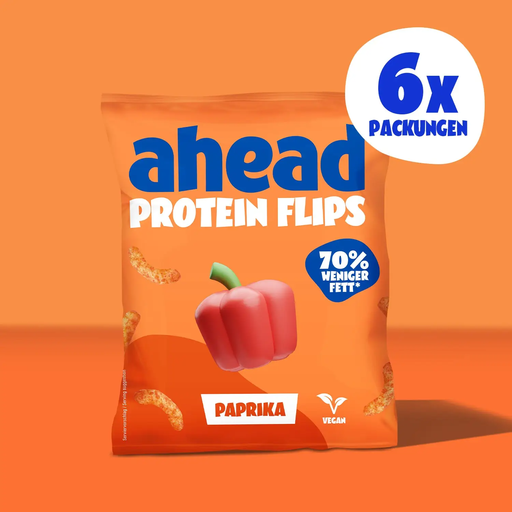
If you’re looking for a savoury snack in individual bags for the summer holidays, you can compare these paprika-flavoured flips with snack mixes. They aren’t a mix of different snacks, though, so when choosing by calorie content, check the nutritional information on the pack and consider how much you plan to eat.
 No image available
The six 50-g bags are handy if you want to plan how much to snack on the go or share with others. These paprika-flavoured flips aren’t a mix of different snacks, so check the nutritional information on the pack when comparing calories.
No. The claim compares fat content and doesn’t tell you how many kcal the snack contains. Check the energy content per 100 g on the specific pack and take your planned portion into account.
Start with kcal per 100 g to compare similar snacks on the same basis. Then work out the value for the number of grams you actually plan to eat; the suggested serving size may not match your portion.
Read the ingredients and allergen information on the specific pack, as mixes can contain different components. For example, Lorenz lists peanuts, wheat, soya and cheese powder for NicNac's Original; you can’t assume that other mixes have the same ingredients.
No. According to the consumer advice centre, the Nutri-Score is primarily intended to help compare products within the same category or with the same intended use. If you want to plan your energy intake, you’ll also need the kcal per 100 g and the amount you plan to eat.
If you want to keep an eye on your salt intake, compare the salt content per 100 g of similar products and consider how much you’ll eat. The German Nutrition Society’s guideline of up to 6 g of table salt applies to your total daily intake, not to a single snack.