Health-conscious snackers
You fancy something crunchy with your morning coffee and want an explicitly stated reduction in fat. Check which product the crisps or flips are compared with: this claim alone doesn’t make them a reduced-fat snack mix.


If an explicitly stated reduction in fat matters more to you than a mix of different nibbles for your coffee break, crisps or flips promoted as having less fat could be an option. The claims made by Lorenz and funny-frisch refer to specific comparison products, not to snack mixes in general. You should also consider the energy, salt and ingredients listed for the particular pack.
You fancy something crunchy with your morning coffee and want an explicitly stated reduction in fat. Check which product the crisps or flips are compared with: this claim alone doesn’t make them a reduced-fat snack mix.
You don’t want to choose a snack based on its fat content alone. Compare the energy and salt per 100 g, as well as the amount you plan to eat during your break.
You need to avoid certain ingredients or take allergens into account. This is especially important with mixes containing several components: check the ingredients and allergen information on the pack you buy. Information for a different variety isn’t enough.
First decide whether you want a proper snack mix or would also consider crisps and flips. Then compare the information for the specific varieties, rather than assuming that the word “light” means all the nutritional values are lower.
| What to consider | What to check | Who it matters to |
|---|---|---|
| Less fat | Check what type of product it is compared with, and the fat content per 100 g. A reduction claim for crisps or flips doesn’t automatically apply to a snack mix. | If I’m watching my fat intake, I need a clear, verifiable claim rather than a product simply called “light”. Around 40% of consumers prioritise this when choosing. |
| Salt and energy | Compare the salt and energy values per 100 g for similar types of snack. | A lower fat content isn’t enough if salt or energy also matters to my decision. This comparison is a priority for around 30% of consumers. |
| Ingredients and allergens | Read the ingredients list and check the allergens highlighted on the pack of the variety you want. | If I need to avoid certain ingredients, I first check whether that particular mix is suitable for me. This is the main consideration for around 20% of consumers. |
| Quantity and variety | Check the net weight and product type: is it a mix, or a single variety of crisps or flips? | For a short break, I want to portion out the right amount or choose a variety of ingredients. Around 10% of consumers prioritise this. |
A lower fat content doesn’t automatically mean a proportionately lower energy content. The North Rhine-Westphalia Consumer Advice Centre points out that the vegetable and legume crisps it looked at rarely offered a reduction in calories.
Also compare the energy per 100 g and take into account the portion you plan to eat.
In its review, the North Rhine-Westphalia Consumer Advice Centre found notably high salt levels in legume crisps. So it’s worth checking the salt content in traditional mixes, too.
Compare the salt in g per 100 g across similar products, rather than choosing based on fat reduction alone.
A snack mix may contain several ingredients that include allergens. The information for a different variety or an online description may not match the pack you buy.
Before eating, check the ingredients list and highlighted allergens on that specific pack.
The net weight of a pack and the amount you want to eat with your coffee aren’t the same thing. Nutritional values per 100 g alone don’t tell you what’s in your portion.
Decide how much you want to have during a break and check whether the pack size suits you.
The brand offers two alternatives to traditional potato crisps: Linsen Chips and Ofen Chips.
The range includes lighter versions of individual snack types, as well as traditional mixes such as Saltletts Cocktail Mix.
The GUT&GÜNSTIG Snack-Mix is an example of a traditional savoury mix whose nutritional and ingredient information you can compare before buying.
ALDI SÜD lists Light Chips Classic and a Paprinos product described as a snack mix.
Lidl describes its Alesto range as including natural nuts, dried fruit and spicy party snacks.
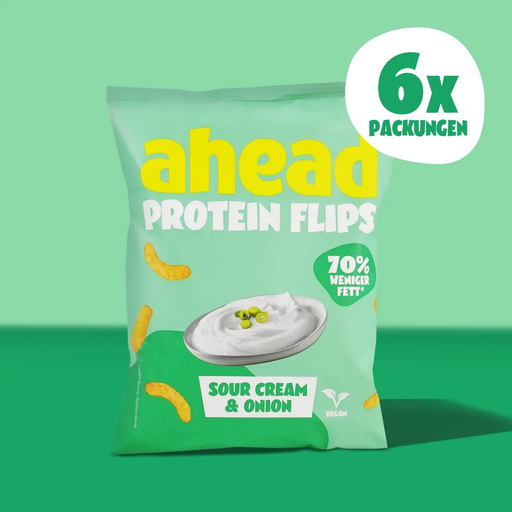
This crunchy snack could be an option for your coffee break if you’re happy to choose a single variety instead of a mix. Check the information on the pack to see whether it fits your preferences for fat, salt and energy.
 No image available
A single crunchy variety for your coffee break, not a snack mix containing different ingredients.
Before choosing, compare the fat, energy and salt per 100 g shown on the pack. If you need to avoid certain ingredients, check the ingredients and allergens there, too.
No. The fat information alone doesn’t tell you that. The North Rhine-Westphalia Consumer Advice Centre reports that the vegetable and legume crisps it looked at rarely offered a reduction in calories. Compare the energy per 100 g and take your portion size into account.
Use the salt information in g per 100 g and, where possible, compare similar types of product. Lorenz lists 2,4 g of salt per 100 g for Saltletts Cocktail Mix, while EDEKA lists 2,9 g per 100 g for its GUT&GÜNSTIG Snack-Mix. The North Rhine-Westphalia Consumer Advice Centre also highlights notably high salt levels in legume crisps.
Check the highlighted allergenic ingredients in the ingredients list on the pack you buy. The German Federal Centre for Nutrition explains this labelling on food packaging. Don’t rely on information for a different variety.
Not simply because it contains a variety of ingredients. If you’re looking for a reduction in fat, check the information for the specific mix. Alternatively, the claims for Lorenz and funny-frisch crisps and flips refer to specific named comparison products. In either case, compare the energy, salt and ingredients, too.