Snack lovers mindful of fat, with no specific allergen to avoid
You want to compare the fat content per 100 g of snack mixes and other savoury snacks, while taking into account how much you’ll actually eat.


If you’re looking for a snack mix to fit a diet where you’re mindful of fat, first check which specific allergen you need to avoid. Then compare the fat content per 100 g and consider the portion you plan to eat. A gluten-free label tells you nothing about other allergens; likewise, a lower fat content doesn’t make a mix suitable for everyone avoiding allergens.
You want to compare the fat content per 100 g of snack mixes and other savoury snacks, while taking into account how much you’ll actually eat.
An explicit gluten-free label matters to you. Ingredients that appear to be gluten-free on their own are no substitute for this information.
Whether it’s milk, sesame, soya or another specific allergen, check the ingredients and allergen information for each product. A general label such as ‘free from’ isn’t enough.
If you need to avoid a specific allergen, check the relevant label first. You can then compare fat content using the same measure and consider the portion size.
| What to check | What to look for | Who it matters to |
|---|---|---|
| Fat content and portion size | Compare fat per 100 g across similar snacks, then consider the portion you plan to eat. | I want to keep track of the fat content when snacking, rather than choosing based only on a claim such as ‘less fat’; around 42% of consumers prioritise this comparison. |
| Gluten-free labelling | Look for an explicit ‘gluten-free’ label on the pack; check for other allergens separately. | If I need to avoid gluten, I can’t rely on assumptions based on individual ingredients. Around 33% of consumers prioritise clear gluten-free labelling. |
| Other specific allergens | Check the ingredients list, highlighted allergens and any precautionary statements about traces that are relevant to your needs. | I need to avoid sesame, milk or soya, for example, and need information about the specific variety; around 25% of consumers prioritise these other allergens. |
A gluten-free snack may contain other allergens. Lebensmittelklarheit also points out that labels for allergenic ingredients deliberately added to a product and statements about possible traces need to be considered separately.
Identify the allergen you need to avoid, then check the ingredients list, highlighted allergens and relevant trace warnings for every variety.
funny-frisch compares its Linsen Chips Barbecue Style with classic crisps and claims 40% less fat. According to the manufacturer, the product still contains 18 g of fat per 100 g; this comparative claim doesn’t apply to all snack mixes.
Compare fat per 100 g across similar products, and take into account how much you plan to eat.
According to EDEKA, the GUT&GÜNSTIG Snack-Mix contains 16.2 g of fat and 2.9 g of salt per 100 g. It includes wheat, sesame, barley and milk, among other ingredients; the fat content doesn’t tell you whether it’s suitable for your allergen requirements.
As well as fat, check the salt content and the allergens that matter to you on the specific pack.
Recipes and labels may differ between online listings and the product you buy. Lorenz and EDEKA both flag the possibility of such discrepancies in their product information.
Check the information on the pack before eating, especially if you need to avoid an allergen completely.
Linsen Chips Barbecue Style are an example of a snack labelled gluten-free, but they’re not a snack mix.
Saltletts Crunchy Bites Paprika Style show why fat and allergen information should be checked separately. They’re a pretzel snack, not a snack mix.
REWE’s own-label range includes products labelled gluten-free, such as organic pretzel sticks and organic maize and quinoa bites. These are different types of snack, not interchangeable snack mixes.
This own-label snack mix is a good example of a mixed snack containing several ingredients.
This selection features alternatives to snack mix: two Schär crispbreads labelled gluten-free and some maize and millet puffs. When choosing a product, keep comparing the nutrition information and check the pack for the specific allergen you need to avoid.
 No image available
Labelled gluten-free, this crispbread could be a crunchy option if you’re looking for a single product rather than a snack mix. Check the pack for the fat content per 100 g and information about other allergens, particularly if you need to avoid soya.
 No image available
Labelled gluten-free, this crispbread is another crunchy alternative to a snack mix. Compare the nutrition information with the portion you plan to eat, and if you need to avoid other allergens, check the ingredients and trace warnings on the pack.
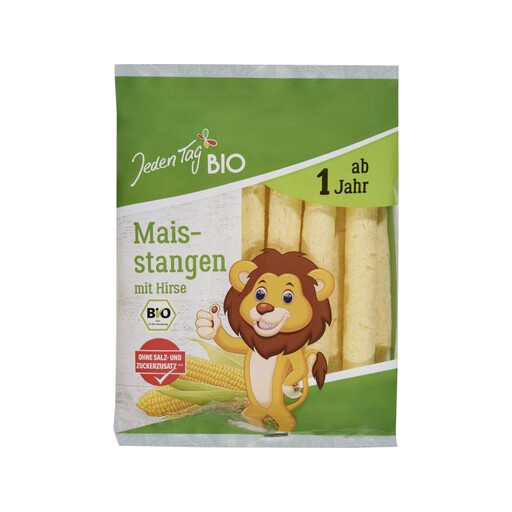 No image available
These maize and millet puffs are a single snack rather than a mix. If you need to avoid gluten, check that the pack explicitly says ‘gluten-free’; the grain types listed alone aren’t enough to confirm this. If children are eating them, follow the safety advice on the pack and supervise them while they eat.
No. ‘Gluten-free’ doesn’t mean absolutely no gluten. Lebensmittelklarheit explains that the term allows for a maximum of 20 mg of gluten per kg of food. If you need to avoid gluten, look for an explicit label on the pack.
No. A gluten-free label doesn’t tell you whether a product contains soya, milk, sesame or other allergens. Check the ingredients and information for the specific variety. For example, funny-frisch says its gluten-free Linsen Chips Barbecue Style may contain soya.
Start by comparing fat per 100 g across similar products, then consider how much you plan to eat. A relative claim such as ‘less fat’ is no substitute for checking the actual nutrition information, allergens and salt content.
This kind of trace warning alone doesn’t answer every question about ingredients and possible cross-contamination. Lebensmittelklarheit distinguishes between labels for allergenic ingredients deliberately added to a product and additional trace warnings. Check all the information on the pack and follow your individual requirements for the allergen you need to avoid.