Calorie-conscious exercisers who fancy something crunchy
You’d like something savoury before training, but want to keep an eye on how much you eat. Compare the kcal per 100 g and calculate the amount for your planned portion.


If you fancy something crunchy before training but want to keep an eye on calories, compare the energy value per 100 g with the amount you actually plan to eat. A classic savoury snack mix or nut mix can fit into your plan if you set aside a portion deliberately, but it isn’t a low-calorie choice just because of its individual ingredients. For longer or more intense sessions, you should also consider carbohydrates and what suits you personally; the German Nutrition Society (DGE) describes carbohydrates as important for providing energy during sport.
You’d like something savoury before training, but want to keep an eye on how much you eat. Compare the kcal per 100 g and calculate the amount for your planned portion.
If getting enough energy before a longer or more intense session is your priority, choosing the option with “as few calories as possible” isn’t the only consideration. The DGE highlights the role of carbohydrates in sports nutrition.
When a mix contains a variety of ingredients, the labelling on the specific pack is what matters. Check the ingredients, highlighted allergens and any may-contain warnings rather than relying on the product name.
Start with the energy value per 100 g and the amount you plan to eat. Then assess the carbohydrates, ingredients and ease of portioning in relation to your training.
| Criteria | What to check when buying | Who it matters most to |
|---|---|---|
| Calories | Compare the kcal per 100 g and calculate the amount for the portion you want to eat. | If I fancy something crunchy, I want the snack to fit into my planned calorie allowance. Around 42% of consumers put calorie content first. |
| Energy for your session | Consider carbohydrates and fat alongside the portion you plan to eat. | Before a longer or more intense session, I don’t want to choose a snack based only on having as few calories as possible. For around 25% of consumers, getting enough energy is the main priority. |
| Ingredients and allergens | Read the ingredients list and allergen information on the specific pack. | If I need to avoid certain ingredients, the labelling takes priority over flavour or portion size. For around 25% of consumers, personal suitability is the main concern. |
| Ease of portioning | Check the pack size and portion information; decide how much you’ll have before you start eating. | I find it harder to stick to a pre-set amount when I’m eating from a larger pack. A portion that’s easy to set aside is a top priority for around 8% of consumers. |
These claims don’t tell you how much energy a snack contains. funny-frisch lists its Protein Chips Paprika Style at 444 kcal per 100 g and 133 kcal per stated 30-g portion.
Whatever the claims, compare the kcal per 100 g and per portion you plan to eat.
The stated portion is only useful for planning if it matches the amount you actually eat. It’s easy to have more when you’re eating from a larger pack.
Check the portion size and measure out your amount into a bowl or container before eating.
Different ingredients can contain different allergens. EDEKA also points out that product information may differ from the details on the packaging.
Check the ingredients, allergen information and any may-contain warnings again on the specific pack.
The Lorenz Nuts-&-Fruits-Mix is listed at 531 kcal per 100 g; REWE gives 587 kcal per 100 g for the Farmer’s Snack Nuss Mix NoSalt. So the nuts themselves are no substitute for checking the energy value.
If you fancy a nut mix, use the pack information to decide which portion fits your plan.
The GUT&GÜNSTIG Snack-Mix is an example of a classic savoury snack mix.
NicNac’s Original and Nuts & Fruits are different peanut and nut-and-fruit snacks; not every product from the brand is a snack mix.
Protein Chips Paprika Style are a crunchy alternative to a classic snack mix, but they aren’t a mix themselves.
This selection features potato sticks, flips and konjac snacks as portionable alternatives to classic snack mixes. Before training, compare the nutritional information and ingredients on each specific pack with the portion you plan to eat.
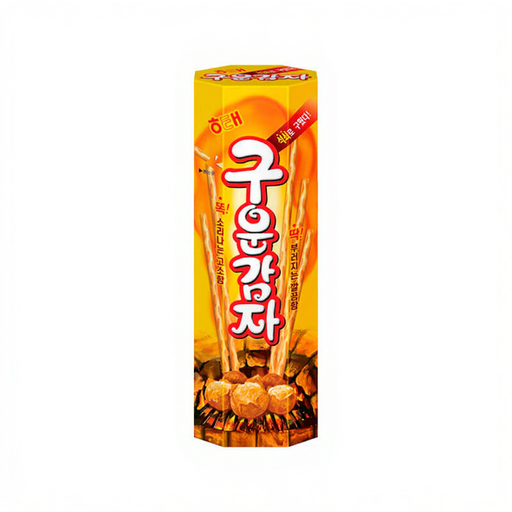 No image available
This small pack could be a good option if you fancy potato sticks rather than a snack mix before training.
Pack size: 27 g. Check the nutritional information and ingredients on the pack for the amount you plan to eat.
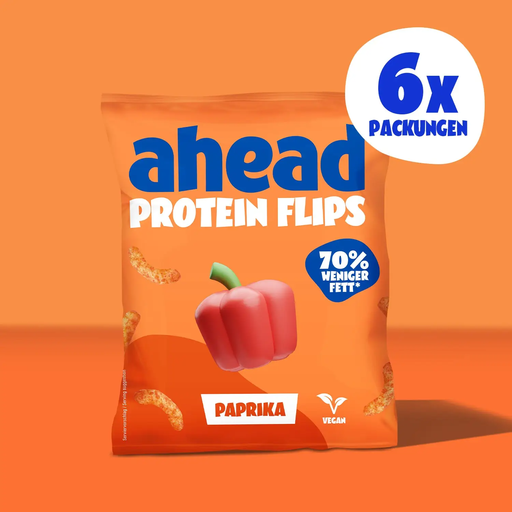 No image available
The individual bags can be handy if you want to take a set amount of flips with you.
Pack size: six 50-g bags. Before counting one bag as your portion, compare the pack information per 100 g with the amount in a bag.
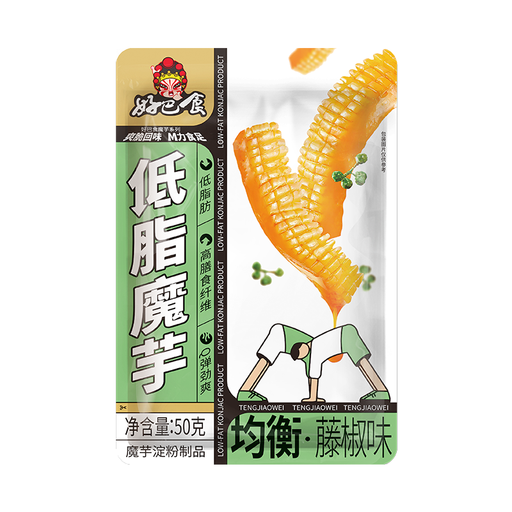 No image available
If you’d prefer a konjac snack to a classic mix, you can compare this pack with the amount you plan to eat.
Pack size: 50 g. Check the nutritional information, ingredients and allergens on the specific pack; the pack size alone doesn’t tell you whether it’s a suitable portion before training.
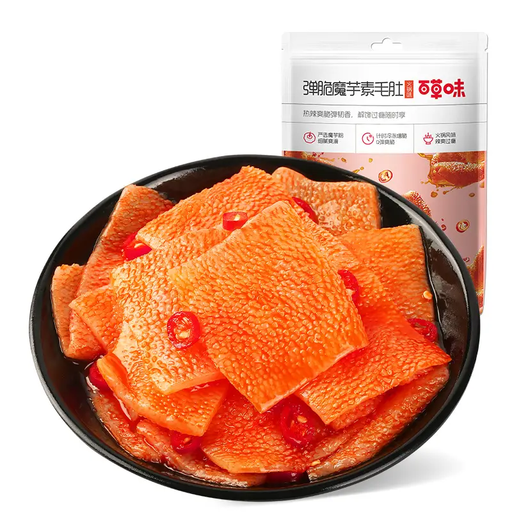 No image available
This konjac snack is an option if you’d like to buy a larger pack and portion it out yourself.
Pack size: 120 g. Compare the nutritional information with the portion you actually plan to eat, and check the ingredients and allergens on the pack.
No. Protein alone doesn’t determine whether a snack suits your session and the amount you plan to eat. The DGE describes carbohydrates as important for providing energy during sport; also compare the energy value, portion size and ingredients of the specific product.
A mix may contain ingredients with different allergens. So, check the ingredients and allergen information on the specific pack, especially if you need to avoid certain substances. An older pack or product image isn’t a substitute for checking.
First decide how much you want to eat, then calculate the kcal per 100 g for that amount. A stated portion size is only immediately useful if you eat roughly that amount.