What to look for when buying
First, decide which ingredients work for you. Then compare protein and other nutritional values per 100 g, and work out what they mean for your planned portion.
| Criteria |
What to check |
Who it matters to |
| Protein per portion |
Compare protein per 100 g and in the amount you plan to eat; check the pack size too. |
After training, I want to know how much protein is in the portion I’ve brought with me, rather than just reading the claim on the pack. This is the main consideration for around 42% of consumers. |
| Ingredients and allergens |
Check the ingredients list, vegan labelling, allergen information and any ‘may contain’ warnings on the current pack. |
If I eat plant-based or need to avoid certain ingredients, the exact ingredients determine whether a snack is suitable for me. This is the main concern for around 25% of consumers. |
| An everyday snack |
For your planned portion, compare energy, fat, sugars and salt as well as protein. |
At lunchtime, I want something crunchy and convenient, without letting a protein claim alone guide my choice. This balance takes priority for around 33% of consumers. |
These product examples show why it’s worth looking beyond a single figure: REWE lists 32 g of protein, 41 g of fat and 560 kcal per 100 g for the Kluth Fit Food Protein Mix. For the biozentrale Bio Protein Snack Lentil & Chickpea listed there, the figures are 26 g of protein and 1 g of salt per 100 g. These figures relate to two different products, not automatically to every nut mix or pulse-based snack.
Joybuy snacks for on the go
This selection includes ready-to-eat savoury snacks and nut mixes, alongside compactly packed bar and bite alternatives. A bar or bite is not a snack mix, so compare the formats based on the portion you want to take with you.
 No image available
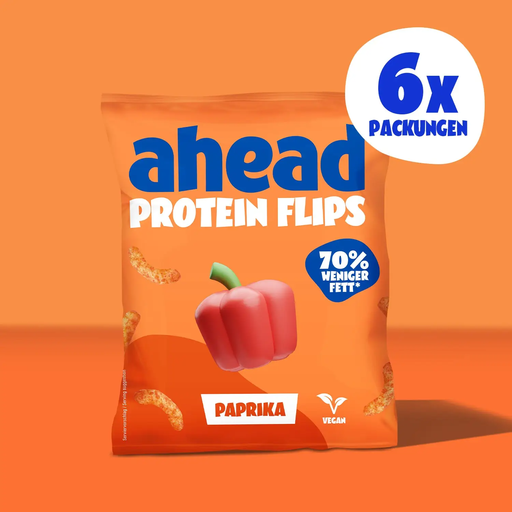
ahead Protein Flips Paprika, tray of 6 × 50 g
The individually listed 50 g packs are a handy option if you want to take a savoury snack with you. Before buying, compare the protein and salt information on the pack for a 50 g portion.
View at Joybuy
 No image available
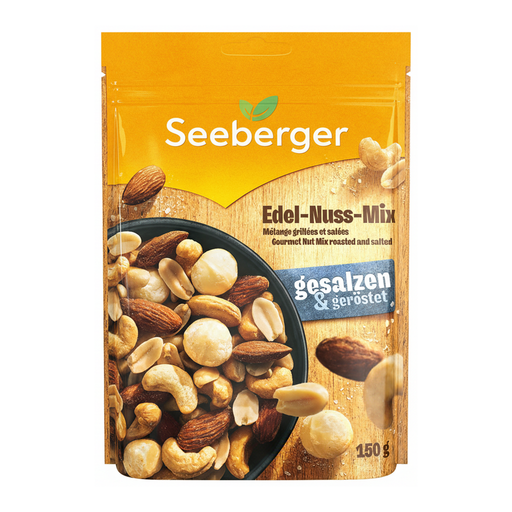
Seeberger Roasted & Salted Premium Nut Mix, 150 g
This roasted and salted nut mix is a good option if you’d rather take a mix than a bar. The pack contains 150 g; check the nutritional information and listed nut ingredients before portioning it out.
View at Joybuy
 No image available
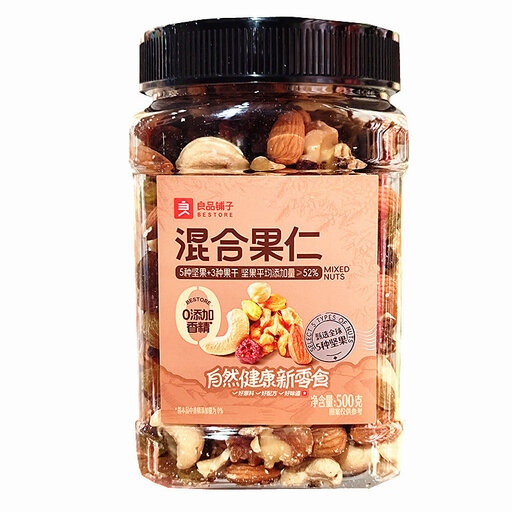
Bestore Mixed Nuts, 500 g
This 500 g nut mix is an option if you want to portion out your own snack to take with you. The whole pack isn’t intended as a single portion, so check the nutritional information and ingredients for the amount you plan to take.
View at Joybuy
 No image available
BE-KIND Protein Caramel Nut, 12 × 50 g
The 50 g bars are a compact alternative if a set individual portion matters more to you than the texture of a snack mix. Check the protein per bar on the current pack, and include sugars, fat and listed allergens in your comparison.
View at Joybuy
 No image available
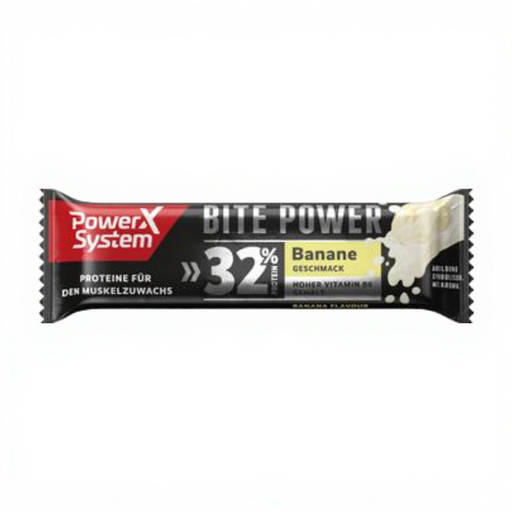
Power System 32% Protein Bite Power, banana flavour, 35 g
The 35 g bite is an alternative to a mix if you want to take a small individual portion with you. Check the protein per piece, full nutritional information and ingredients on the pack.
View at Joybuy
Frequently asked questions
Is a protein claim enough when choosing a snack after exercise?
No. When choosing a snack, you should also check the amount of protein in your planned portion and the other nutritional values. The consumer advice centre recommends checking the nutritional information on products that make protein claims. Your overall diet and the type and intensity of your exercise also matter when planning what to eat around training.
What should I look out for in the allergen information on snack mixes?
Read the ingredients and allergen information on each specific pack, as well as any additional ‘may contain’ warnings. The Federal Ministry of Agriculture, Food and Regional Identity explains the labelling requirements for the 14 most common causes of allergies and intolerances; which ones are relevant depends on the product.
Can a protein snack replace a meal after training?
A protein snack doesn’t automatically replace a meal that suits the rest of your diet and your activity levels. The German Nutrition Society says protein intake in sport depends on the type and intensity of exercise, so the protein content of one snack does not provide a general recommendation for a meal.
Which pack details can help me compare snacks on the go?
Compare the ingredients and allergen information, as well as the nutritional values per 100 g, with the portion you actually plan to eat. The Federal Ministry of Agriculture, Food and Regional Identity lists the ingredients list and best-before date as information found on packaged foods. Always check the label on the specific pack, as recipes can change.


