Choose a snack mix for study breaks by checking the ingredients and allergen information on the specific pack, rather than relying on general descriptions such as ‘vegan’ or ‘nut and fruit mix’. If you need to avoid gluten, also look for a gluten-free claim that applies to the product; the absence of wheat from the ingredients list alone does not answer this question. Only then can you make a useful comparison of the ingredients and portion size.
Who should take care when choosing?
People who need to avoid a specific ingredient
If you need to avoid peanuts, milk or a particular tree nut, for example, a general ‘free from’ label is not enough to help you choose. The Federal Ministry of Agriculture, Food and Home Affairs explains the labelling requirements for allergens deliberately added as ingredients; Lebensmittelklarheit points out that precautionary ‘may contain’ statements are subject to different rules.
People who need to avoid gluten
If you have coeliac disease, simply checking the ingredients list for wheat is not enough. The German Coeliac Society distinguishes between products that do not contain gluten-containing ingredients and those where contamination during production has also been ruled out.
People planning portions for study breaks
If you want a bag to last for several breaks, compare the pack size, ingredients and nutrition information per 100 g. You can decide how much to set aside without relying on unsubstantiated claims about concentration.
What should you look for when buying?
First, work out which ingredient or allergen you need to avoid. Then check the relevant labelling, followed by the nutritional values, portion size and practical availability.
| Criterion |
What to check when buying |
Who it matters most to |
| Specific allergen |
Ingredients and highlighted allergens on the current pack; check the precautionary ‘may contain’ statement too, if relevant. |
If I need to avoid peanuts or a particular tree nut, I need information about that specific ingredient, not a general marketing claim. For around 36% of consumers, this specific dietary restriction is the top priority. |
| Gluten-free or vegan suitability |
The gluten-free claim on the German pack and any allergen information, as well as the vegan label. |
I want to choose a gluten-free or vegan product and need to know whether it also meets any other dietary restrictions. Around 29% of consumers put this dietary requirement first. |
| Ingredients and portion |
Ingredients, sugar and salt per 100 g, plus the portion size you have in mind. |
For several study breaks, I want to decide for myself how much to eat from a bag and which mix I prefer. For around 21% of consumers, this is the main consideration. |
| Pack size and availability |
Bag size and the information on the version that is actually available to buy. |
If I’m shopping shortly before a study session, it matters whether the right pack is available locally. Around 14% of consumers prioritise this practical consideration. |
Common comparison mistakes
-
Taking ‘allergen-free’ to mean free from every allergen
A mix may be suitable for one dietary restriction while containing other allergens as ingredients. According to Lebensmittelklarheit, mandatory allergen information applies to ingredients deliberately added to a product; precautionary ‘may contain’ statements are not subject to uniform rules.
Decide what you need to avoid, then check the ingredients and, where relevant, the precautionary ‘may contain’ statement on the pack you buy.
-
Assuming ‘vegan’ means free from milk allergens
funny-frisch describes its Protein Chips Paprika Style as vegan and gluten-free, but also includes the statement ‘May contain milk’. So a vegan recipe does not answer every question about possible cross-contamination.
If you have a milk allergy, check the precautionary ‘may contain’ statement too. If you need to avoid gluten because of coeliac disease, look for a gluten-free claim that applies to the specific product.
-
Judging nut and fruit mixes by their name
A nut and fruit mix is not automatically low in sugar or suitable for people who need to avoid nuts. Lorenz lists peanuts and several tree nuts among the ingredients in Geistesblitzer.
Compare the ingredients and nutrition information per 100 g, and choose your portion size independently of any claims about how well you will study.
-
Relying on online information instead of the pack
For some varieties, the specific version and its packaging can make all the difference when choosing. EDEKA points out that information on the packaging of its organic trail mix may differ from the product page.
Use product pages to narrow down your options, but check any essential dietary restrictions against the actual bag you buy before eating it.
Brands to help you choose
Lorenz
Lorenz shows why, with crisps and nut and fruit mixes, the specific variety matters more than the brand name.
- According to Lorenz’s product information, Geistesblitzer contains raisins, peanuts, cashews, almonds and hazelnuts.
- For Snack-Hits, Lorenz lists ingredients including wheat flour, peanuts, milk ingredients and soya, as well as possible traces of other allergens.
funny-frisch
Protein Chips Paprika Style are a savoury alternative to a snack mix, rather than a nut and fruit mix.
- funny-frisch describes this specific product as gluten-free and vegan.
- The product information also includes the statement ‘May contain milk’.
EDEKA
With EDEKA Bio Studentenfutter, you can compare the listed nuts and precautionary allergen information with your own dietary restrictions.
- EDEKA lists sultanas, almonds, hazelnuts and cashews in this product.
- EDEKA says it may contain traces of peanuts, soya, milk and sesame, among other allergens; always check the labelling on the pack you buy.
TRADER JOE'S (ALDI Nord Eigenmarke)
ALDI Nord sells a nut and fruit mix in Classic and Exotic varieties.
- ALDI Nord describes both varieties as 200-g bags.
- You can only decide whether a variety meets a specific dietary requirement by checking its ingredients and allergen information on the pack.
Alesto (Lidl)
Lidl describes Alesto as a range of nuts, nut mixes and dried fruit.
- According to Lidl, the range includes different types of nut and dried fruit products.
- Any information about allergens or gluten must relate to the specific mix and its packaging.
Snack mixes and alternatives at Joybuy
This selection includes a nut and fruit mix and a vegetable crisps mix, alongside savoury snacks such as flips, puffs and crackers. These alternatives do not automatically meet the same ingredient or allergen requirements as a snack mix, so check each pack against your specific dietary restriction.
 No image available
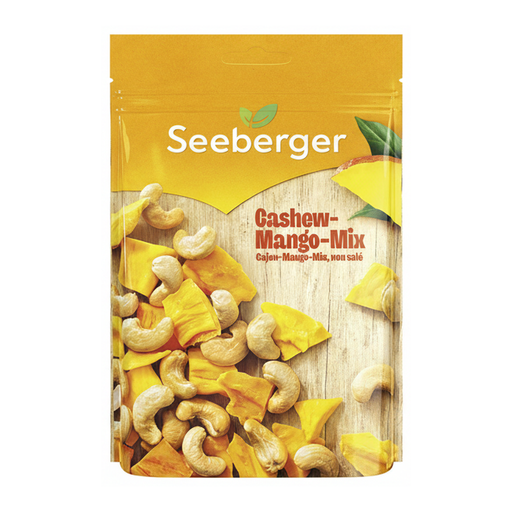
Seeberger Cashew & Mango Mix 150 g
A nut and fruit mix for study breaks, if cashews and mango fit your dietary requirements. If you need to avoid a specific ingredient, check the allergen and precautionary information on the pack.
Pack size: 150 g.
View at Joybuy
 No image available
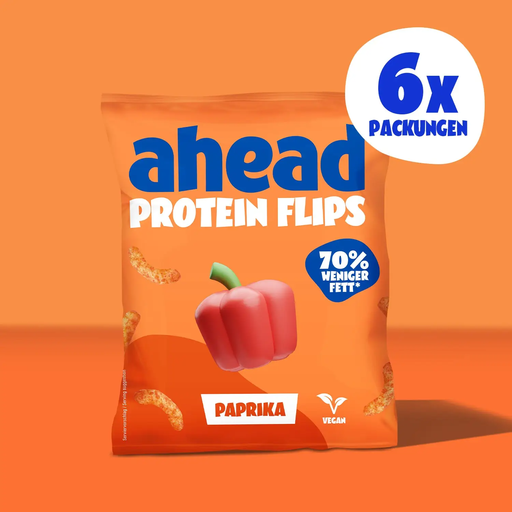
ahead Protein Flips Paprika, tray of 6 × 50 g
A savoury alternative if you’d prefer to plan for individual bags of flips rather than a mix. Check the labelling on the pack you buy to make sure it meets your requirements for gluten or allergens.
Pack: six 50 g bags.
View at Joybuy
 No image available
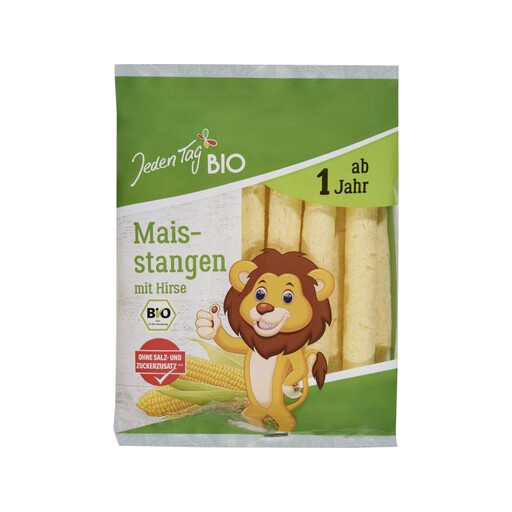
Jeden Tag Organic Corn & Millet Puffs 50 g
An alternative to a snack mix if you’re looking for corn- and millet-based puffs. The product name alone does not confirm that it is suitable for someone with an allergy or coeliac disease, so check the packaging.
Pack size: 50 g.
View at Joybuy
 No image available
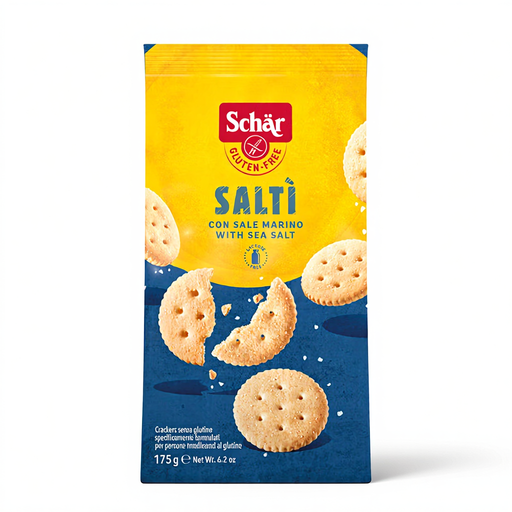
Schär Gluten-Free Saltí Salted Crackers 175 g
Salted crackers instead of a mix, if you’re looking for a product specifically labelled gluten-free. If you have coeliac disease or other dietary restrictions, the labelling on the specific German pack is what matters.
Pack size: 175 g.
View at Joybuy
 No image available
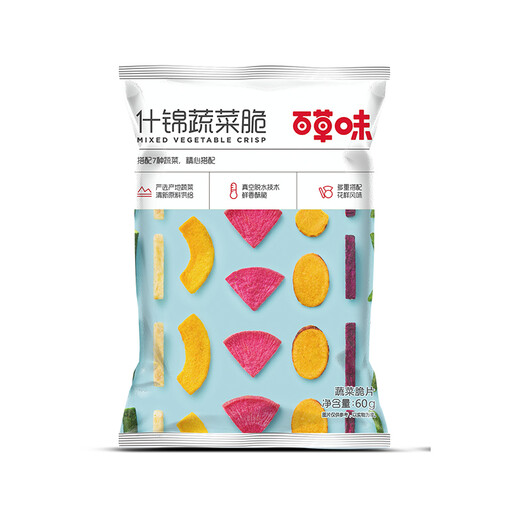
Be&Cheery Assorted Vegetable Crisps 60 g (7 Flavors)
A vegetable crisps mix for a savoury study break. Check the ingredients and allergen information on the pack to decide whether this variety meets a specific dietary requirement.
Pack size: 60 g.
View at Joybuy
Frequently asked questions
Do allergens have to be listed on pre-packed snack mixes?
Yes, if the allergens that must be declared are used as ingredients. The Federal Ministry of Agriculture, Food and Home Affairs gives peanuts as one example; check the ingredients and highlighted allergen information on the specific pack. Any precautionary ‘may contain’ statement is a separate matter.
Is an ingredients list with no wheat enough if you have coeliac disease?
No, the absence of wheat alone does not confirm that a product is gluten-free. The German Coeliac Society distinguishes between ingredients and possible contamination during production. Look for a gluten-free claim that applies to the specific product or reliable product information to that effect.
Is a vegan snack automatically suitable if you have a milk allergy?
No, a vegan recipe does not automatically rule out a precautionary statement about milk. funny-frisch describes its Protein Chips Paprika Style as vegan, while also stating ‘May contain milk’. If you need to avoid a specific ingredient, make your decision based on the labelling on the pack, not just the vegan claim.


