Train travellers planning their portions
You want to decide before you set off how much you’ll eat during the journey. A single-serve bag or a portion you’ve measured out yourself could work for you.


When you’re watching your calorie intake on a train journey, what matters isn’t the name of a snack mix, but how much you actually want to eat and the energy value shown on the specific pack. Compare kcal per 100 g, plan your portion and check the ingredients, sugar, salt and allergens. A pre-portioned bag makes it easier to manage how much you eat, while a larger mix lets you portion out the amount you want to take with you.
You want to decide before you set off how much you’ll eat during the journey. A single-serve bag or a portion you’ve measured out yourself could work for you.
You’re looking for a mix of nuts and dried fruit, and want to check the specific ingredients and any potential allergens before you buy.
You’d rather reach for something savoury and crunchy. Claims such as ‘less fat’ are best considered alongside the energy value and the rest of the nutritional information.
A good fit if: You want to decide how much to take on your train journey while you’re packing.
Consider: A small bag makes the portion easy to see, but doesn’t tell you how much energy it contains.
A good fit if: You want to choose your own mix and measure out the amount you’ll take on your journey.
Consider: If you haven’t decided on a portion beforehand, it can be harder to keep track of how much you eat during the journey.
A good fit if: You’d prefer to take something savoury and crunchy instead of nuts and dried fruit.
Consider: Here, too, it’s the energy value of the variety you choose and the amount you eat that matter, not a single claim on the front of the pack.
| What to consider | What to check | Who should pay particular attention? |
|---|---|---|
| Energy per portion | Compare kcal per 100 g and think about how many grams you’ll actually take with you and eat. | If I don’t want to eat more than planned without realising, I decide on my portion before setting off. Around 36% of consumers put portion planning first when making this choice. |
| Ingredients and allergens | Read the ingredients list, the highlighted allergens and, where relevant, any precautionary allergen statements on the specific pack. | When a mix contains several kinds of nuts or other ingredients, I want to know exactly what’s in it. Around 29% of consumers prioritise this check. |
| Sugar and salt | Compare ‘of which sugars’ and ‘salt’ in the nutritional information, in each case per 100 g. | Whether it’s fruity and sweet or savourily seasoned, I want to look beyond the product name to assess what’s in it. Around 21% of consumers focus first on sugar and salt. |
| Flavour and pack format | Choose between nutty and fruity or savoury products, and check the pack size and storage instructions. | For my journey, I want a snack I enjoy and can take with me easily. For around 14% of consumers, flavour and format come first. |
The product examples from Lorenz, ALDI SÜD and EDEKA24 list 503, 500 and 507 kcal per 100 g respectively. The name of the mix alone isn’t enough to help you work out the energy in your portion for the journey.
Compare the value per 100 g and decide how many grams you’ll take with you. Then choose between a single-serve bag and a portion you measure out yourself.
‘Less fat’ doesn’t tell you everything about kcal, sugar and salt. A claim like this isn’t a substitute for comparing the specific products.
Read the nutritional information per 100 g and, if provided, per portion before choosing a variety.
Mixes can contain different kinds of nuts and other allergenic ingredients. According to the Federal Office of Consumer Protection and Food Safety, the relevant allergens must be highlighted in the ingredients list.
Check the label on the specific pack every time you buy, including any precautionary allergen statements, rather than relying on a product photo or a previous purchase.
For the products considered here, labelling and nutritional values may vary from one pack or supplier to another. Your decision should be based on the product you’re actually buying.
Check the ingredients, nutritional information and, for multipacks, the weight of each bag directly on the current packaging.
Worth considering for nut and fruit mixes and savoury crunchy snacks; the variety you choose makes the difference.
An option for savoury snacks such as lentil crisps if you’re not looking for a nut and fruit mix.
Lidl’s own-brand range includes natural nuts, dried fruit and seasoned party snacks.
ALDI SÜD’s own brand is particularly relevant here for a nut and fruit mix in a 5 × 40 g format.
An option if you’re looking for a roasted and salted nut mix rather than a mix with dried fruit.
This selection includes a savoury snack in single-serve bags and two nut and fruit mixes you can portion yourself for a train journey. For each product, compare the nutritional information on the pack with the amount you want to eat.
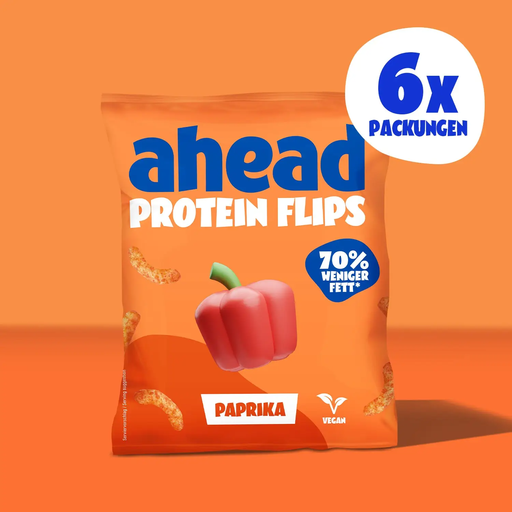 No image available
A savoury option if you’d rather take crunchy snacks than a nut and fruit mix on your journey.
The tray contains six 50 g bags. Check the energy and salt information on the specific pack before deciding how much to take with you.
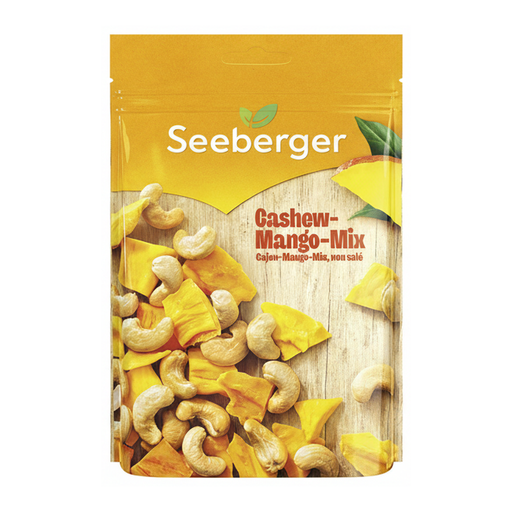 No image available
A nut and fruit mix for anyone who enjoys cashew and mango together and wants to decide how much to take on their journey.
The pack contains 150 g. To compare it with your planned portion, check the energy value per 100 g on the pack and measure out the amount you want.
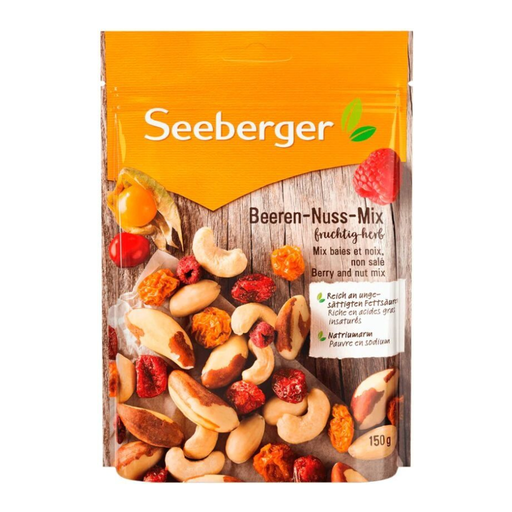 No image available
A fruity, nutty option if you prefer berries and roasted nuts as a snack for your journey.
The pack contains 150 g. Decide on your own portion and check the energy, sugar and ingredients on the specific packaging.
First compare the energy values in kcal per 100 g, then take into account how much you plan to eat during the journey. As ALDI SÜD explains in its guidance on nutritional labelling, the standard 100 g value makes it easier to compare products; an additional per-portion value can help you plan how much to eat.
No, you can’t tell from the ingredients alone. The examples described by Lorenz, ALDI SÜD and EDEKA24 range from 500 to 507 kcal per 100 g. Make your choice based on the specific pack and the portion you plan to eat.
Look for highlighted allergens in the ingredients list on the specific pack, and read any precautionary allergen statements as well. The Federal Office of Consumer Protection and Food Safety explains how the relevant allergenic substances and products in food are labelled.
Follow the storage instructions for the product you choose. For example, EDEKA24 recommends storing Seeberger trail mix away from heat and moisture; pack your mix accordingly, keeping it dry and protected from being crushed as far as possible.
No, that claim alone doesn’t prove the product has a lower energy value. Compare the kcal values and any other nutritional information that matters to you on the specific products, rather than assuming one feature tells you everything about the snack.