People short on time before training
If you want to take something with you on the way to the gym, a class or a running route, you need a portion that’s easy to plan. Pack size and ingredients can help you decide in advance.


A snack mix isn’t automatically a good choice before training just because it’s easy to take with you. Choose a portion you can plan for, and check the carbohydrates, fat, salt, ingredients and allergens on the specific pack. The right mix also depends on the workout you have planned and what you personally find comfortable to eat.
If you want to take something with you on the way to the gym, a class or a running route, you need a portion that’s easy to plan. Pack size and ingredients can help you decide in advance.
For longer or more intense workouts, the carbohydrate content may be an important factor in your choice. The German Nutrition Society (DGE) describes carbohydrates as an important part of energy provision in sport; the demands of your planned workout remain key.
For mixes containing baked snacks, nuts and other ingredients, it’s particularly important to check the ingredients on the specific pack. This lets you check for allergens rather than assuming that a similar-looking product has the same ingredients.
First decide how much you actually want to eat before training. Then compare the nutrition information per 100 g and for your chosen portion, as well as the ingredients in the specific mix.
| Criterion | What to check | Who it matters to |
|---|---|---|
| Carbohydrates and workout demands | Carbohydrates per 100 g and in your planned portion; the duration and intensity of your workout. | If I have a longer or more intense workout coming up, I want to compare the carbohydrate content with the demands of my planned activity. This is a priority when choosing a snack for around 33% of consumers. |
| Portion and comfort | Portion size, when you’ll eat it, and the fat, salt and ingredients in your chosen amount. | If my workout is about to start, I want to choose my portion carefully and pick something I personally find comfortable to eat. This is a priority for around 27% of consumers. |
| Taking it with you | Pack size, clearly marked individual portions or the option to portion it out in advance. | When I’m fitting training around everyday life, I want to take a set amount with me rather than eating from a large pack on the go. This practical consideration is the main factor for around 20% of consumers. |
| Allergens and ingredients | The ingredients list, highlighted allergens and any precautionary allergen information on the specific pack. | If I have an allergy or specific ingredient requirements, I need to know exactly what the mix contains. This check takes priority for around 13% of consumers. |
| Nuts and protein | Ingredients, plus protein, fat and sugar per 100 g and per your planned portion. | If I’m specifically looking for a nut mix or a particular protein profile, I still want to take the other nutritional values into account. Around 7% of consumers put this product feature first. |
Similar product names can hide very different nutritional values. Lorenz lists 69 g of carbohydrates and 7.2 g of fat per 100 g for Saltletts Brezel; NicNac's Original, by comparison, is listed as containing 34 g of carbohydrates and 36 g of fat per 100 g. These figures don’t mean that either product is automatically suitable or unsuitable before training.
Compare the specific product per 100 g, then work out the figures for your planned portion.
A mix may contain allergens that aren’t obvious from a photo. EDEKA lists wheat, sesame, barley and milk, among other ingredients, for its GUT&GÜNSTIG Snack-Mix; Lorenz lists peanuts, wheat and soya protein, among other ingredients, for NicNac's Original.
Read the ingredients list and highlighted allergens on the pack you’re actually buying.
The protein content doesn’t tell you everything about a product. According to EDEKA, its EDEKA Bio Knusperriegel Nussmix contains 18.8 g of protein and 33.5 g of fat per 100 g.
Consider advertised features alongside the full nutrition table, ingredients and your portion size.
A larger bag doesn’t determine how much you eat before training. A pack split into portions makes it easier to plan quantities, but that alone tells you nothing about its contents.
Choose a clearly marked individual portion, or measure out the amount you want before you leave. Check the nutritional values for that exact amount.
The brands and ranges below illustrate different types of savoury snacks and mixes. When choosing what to buy, check the details for the specific product rather than relying on the brand name alone.
Saltletts and NicNac's are different types of salted snacks within the Lorenz range.
As well as crisps, the range includes lentil crisps. These are a type of seasoned savoury snack, not a specialist sports nutrition product.
The own-brand range includes both classic savoury snack mixes and portioned nut bars. These are different types of product.
Lidl’s Alesto range includes nuts, dried fruit and seasoned party snacks. It may be worth exploring if you’re looking for a nut and fruit mix or a savoury snack.
REWE stocks a variety of branded and own-brand snack mixes, making it a useful place to compare specific products.
This selection includes a small seafood snack, savoury snack mixes and nut and fruit mixes. The pack sizes listed can help you plan what to take with you; check the individual product to see whether a larger pack contains separate portions.
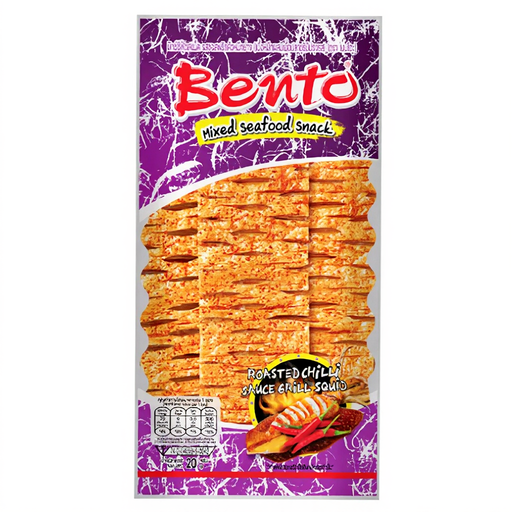 Image unavailable
This 20 g pack could be a good choice if you want to take a small chilli-flavoured seafood snack with you. Check the ingredients and allergens on the specific pack, as well as the nutritional values for the amount you plan to eat.
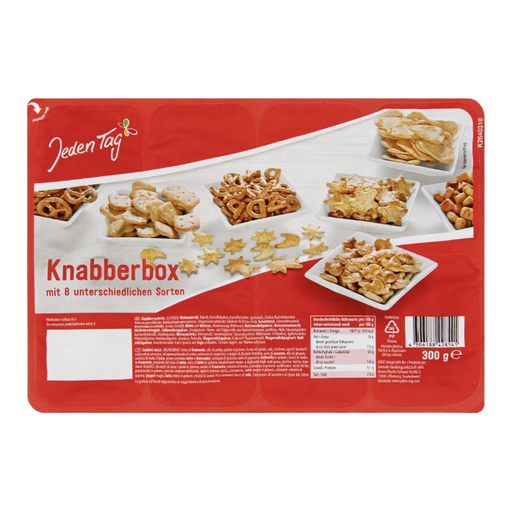 Image unavailable
This 300 g box is an option if you’re looking for a savoury snack mix and want to decide how much to eat before training. Check how the box is divided up, and read the ingredients and allergen information on the pack.
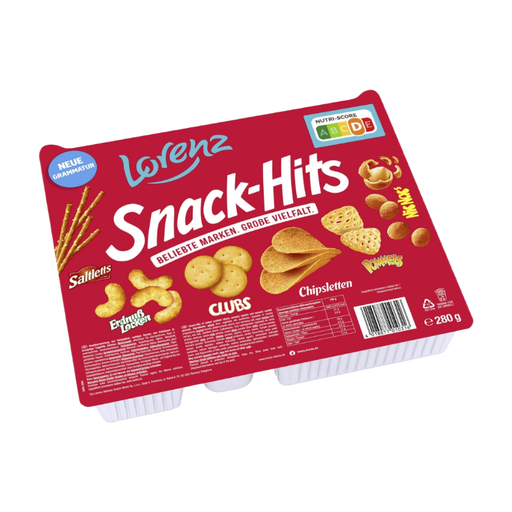 Image unavailable
If you’re looking for a mix of salted pretzels and crackers, you could compare this 280 g pack with other savoury mixes. Decide how much to take with you, and check the ingredients, particularly if you have allergies.
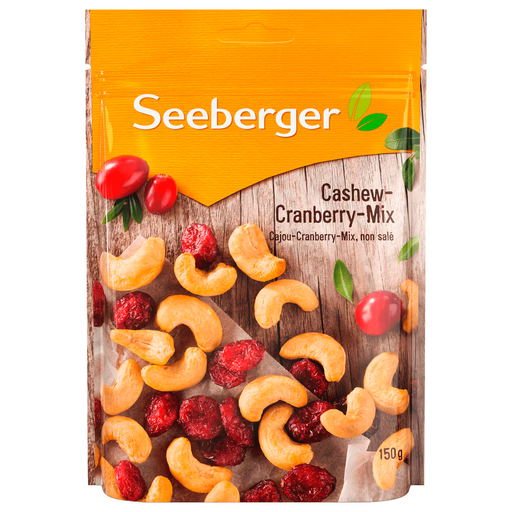 Image unavailable
This 150 g mix is for people who’d prefer cashews and cranberries to salted snacks. Plan how much to take with you, and check the details on the pack, particularly if you have a nut allergy.
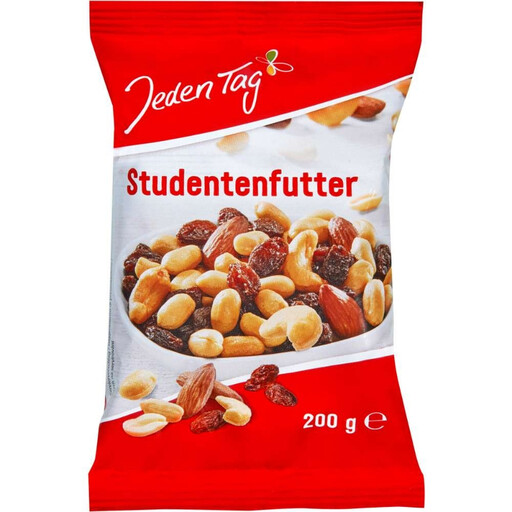 Image unavailable
This 200 g pack could be a good choice if you prefer a nut and raisin mix. Portion out the amount you want to take on your way to training, and compare the nutritional information and allergens on the specific pack.
No. The name “snack mix” alone doesn’t tell you whether it’s suitable for your planned workout. The German Nutrition Society (DGE) describes carbohydrates as important for energy provision in sport, and says requirements depend in part on the duration and intensity of the activity. Also take your portion size and personal comfort into account.
For pre-packed foods, EU labelling rules require allergenic ingredients to be highlighted in the ingredients list, as explained by Lebensmittelklarheit and the European Union. Read the details on the specific pack and check any precautionary allergen information too; this is not the same as ingredients that have been deliberately added.
First compare the nutritional values per 100 g, then work out what they mean for the amount you actually want to eat. For larger packs, check whether the portions are individually wrapped or whether you’ll need to portion out your own amount before you leave.
No. A higher protein content alone doesn’t determine whether a snack is right for your planned portion and workout. Compare the carbohydrates, fat, sugar, salt and ingredients too. The Verbraucherzentrale notes that products with added protein are generally unnecessary, even for people who do sport.