Students planning ahead
You want to spread bars across several canteen and lecture days. Compare the total weight, number of bars and weight per bar, rather than judging by pack size alone.


For several university breaks, multipacks of cereal bars in handy portion sizes are an obvious choice. If protein or a savoury snack is your priority, other product categories may be more suitable. In every case, check the ingredients and nutritional information on the specific pack; a bar is not a substitute for a canteen lunch simply because of its format.
You want to spread bars across several canteen and lecture days. Compare the total weight, number of bars and weight per bar, rather than judging by pack size alone.
You’re looking specifically for a protein bar for university and sport. Check how much protein is listed per portion, and distinguish this product category from classic cereal bars.
If you need to avoid certain ingredients, check the ingredients list, highlighted allergens and any ‘may contain’ warnings on the current pack. The Federal Office of Consumer Protection and Food Safety explains the labelling of substances that can cause allergies or intolerances.
Start by comparing the quantity and portion format. Then narrow down your options by ingredients and the type of snack you want.
| Criteria | What to check when buying | Who it matters to |
|---|---|---|
| Snacks for several days | Compare the total weight, number of bars and weight per bar; if you buy regularly, check availability. | I want to be able to pack portions for several university days without assuming that a large pack contains large individual bars. For around 36% of consumers, having a supply they can plan around is the priority. |
| Ingredients and allergens | Check the current ingredients list, highlighted allergens and ‘may contain’ warnings on the pack. | If I need to avoid certain ingredients, the specific recipe determines whether a bar is suitable for me. This is the top priority for around 29% of consumers. |
| Protein-focused format | Check the product type and the protein information per portion and per 100 g. | For university days that include sport, I’m specifically looking for a protein bar rather than just any sweet snack. Around 21% of consumers put this product type first. |
| Flavour and type of snack | Distinguish between cereal bars, chocolate bars and meat snacks; compare nutritional information using the same basis. | It matters to me whether I want something sweet during my break or specifically a savoury meat snack. This distinction is the deciding factor for around 14% of consumers. |
A higher number of bars doesn’t, by itself, tell you much about the total quantity or the size of each individual snack.
When comparing packs of different sizes, check the weight per bar and the total weight.
A chocolate bar and a salami snack are different products from a cereal bar. You also need to consider their ingredients and nutritional information for the relevant portion.
Check the product description first, then compare sugar, fat or salt using the same basis.
A picture or brand name is no substitute for the ingredients and allergen information for the specific recipe.
Read the current packaging before buying, especially if you need to avoid certain ingredients or possible traces.
ALDI SÜD labels some products as available for a limited time; EDEKA notes that products may not be available in every store.
If you have regular university breaks, check availability and keep a suitable alternative portion format in mind.
An extra trip to find a replacement can make planning your supplies more complicated.
ALDI SÜD’s range includes GOLDEN BRIDGE cereal bars in an 8 × 25 g pack.
EDEKA stocks a GUT&GÜNSTIG cereal bar in an 8 × 25 g format, as well as a caramel chocolate bar in a 6 × 50-g multipack. These are different types of product.
REWE lists fruit and cereal bars separately from protein bars. This makes it easier to choose the type of product you want first.
BiFi Original is a savoury meat snack, not a cereal bar.
This selection of Joybuy products includes bar multipacks for several breaks, a protein bar and a savoury salami alternative. Compare portion formats within the product type you want, and always check the current packaging if you have allergies.
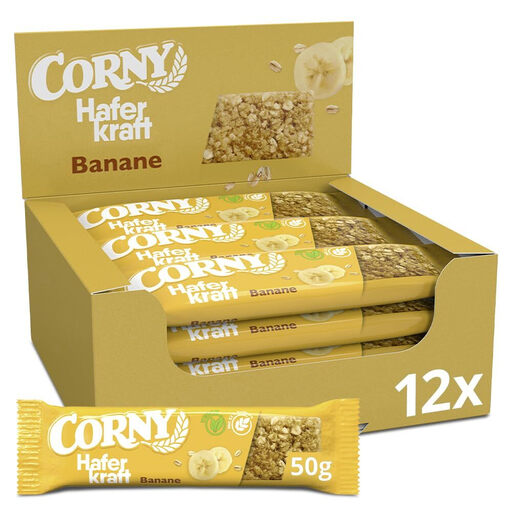 No image available
For several university breaks when you’re after an oat bar with a banana flavour.
Pack format: 12 bars, 50 g each. If you have allergies, check the ingredients and ‘may contain’ warnings on the current packaging.
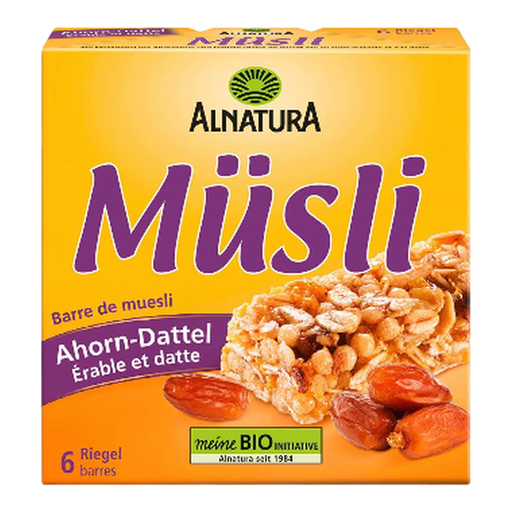 No image available
For university breaks when you’d like to take along smaller cereal bars with maple syrup and dates.
Pack format: 6 bars, 25 g each. Check the ingredients, allergens and any dietary labelling you’re looking for on the current pack.
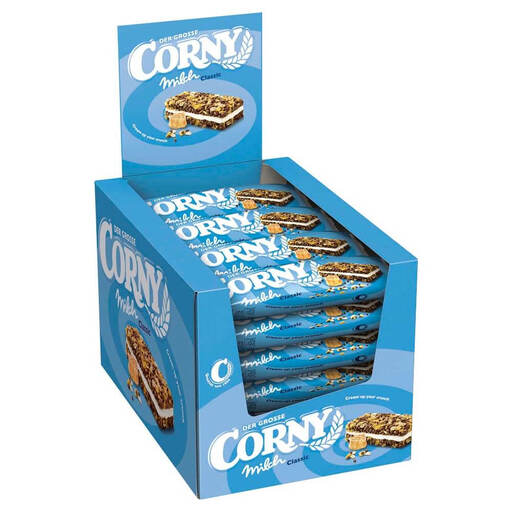 No image available
For a bigger supply of cereal sandwich bars with milk cream, rather than a classic cereal bar multipack.
Pack format: 24 bars, 40 g each. If you have allergies, read the information on the specific packaging.
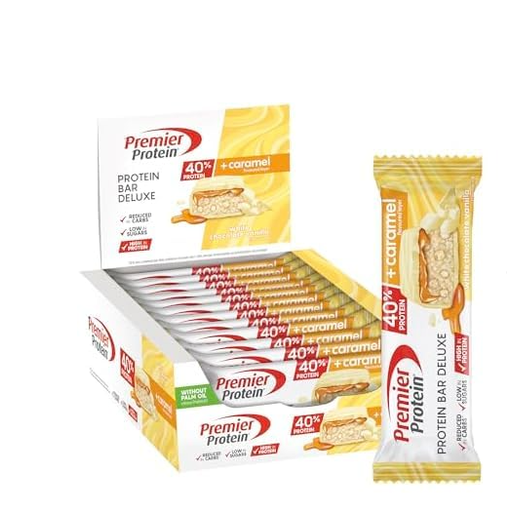 No image available
If you’re looking for a protein bar in White Chocolate Vanilla flavour.
Pack format: 12 bars, 50 g each. Check the nutritional information per portion, along with the ingredients and allergens on the pack.
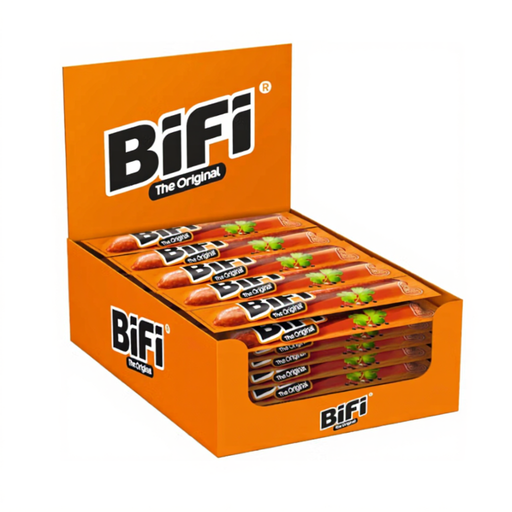 No image available
For a savoury university break when you specifically want a meat snack rather than a bar.
Pack format: 16 × 4 × 18,5 g. These salami snacks aren’t suitable for a vegetarian or vegan diet; check the nutritional information on the specific pack when choosing.
Check the ingredients list, highlighted allergens and any ‘may contain’ warnings on the specific packaging. The Federal Office of Consumer Protection and Food Safety explains that substances that can cause allergies or intolerances must be identified in the ingredients list. For bars, these may include cereals, milk, peanuts, soya, sesame or nuts.
A protein bar is a good choice if you’re specifically looking for this type of product. Compare the protein per portion, ingredients and portion size; the name alone doesn’t mean it replaces a canteen lunch.
Use online information to narrow down your options, then read the current packaging before eating the product. EDEKA notes that information on product pages may differ from what’s on the packaging. This is particularly important if you need to avoid allergens or specific ingredients.