Hosts catering for guests who eat gluten-free
You want to offer bars specifically labelled gluten-free and leave the packaging available so guests can check the other ingredients.


Choose snack bars for a buffet with different dietary requirements based on what your guests need: gluten-free, vegan or free from a particular allergen. For example, a gluten-free bar may still contain milk, soya or nuts. Even with vegan bars, you’ll need to check the ingredients and precautionary allergen information separately for guests with allergies.
You want to offer bars specifically labelled gluten-free and leave the packaging available so guests can check the other ingredients.
You need bars that are labelled as both for the specific product. A vegan label doesn’t tell you whether a bar contains peanuts, nuts or sesame.
If peanuts or tree nuts need to be avoided, for example, the ingredients and precautionary allergen information on each bar matter more than a general free-from claim.
Before you shop, find out which requirements apply to which guests. Then check the labelling on every bar and keep the information available at the buffet.
| Requirement | What to check when buying | Who it matters most to |
|---|---|---|
| Avoiding specific allergens | Check the ingredients list for the specific allergen and the packaging for relevant precautionary allergen information. | If a guest needs to avoid peanuts, for example, I wouldn’t choose a bar for them based solely on a gluten-free label. Around 44% of consumers would put avoiding a specific named allergen first. |
| Combining gluten-free and vegan | Check that both claims appear on the same product. For oat bars, look for an explicit gluten-free label. | For a guest who eats vegan and gluten-free, I need a bar labelled as both, while still checking for other allergens. This combination would be the main priority for around 33% of consumers. |
| Offering a gluten-free selection | Look for a ‘gluten-free’ claim and keep the bar’s current packaging to hand. | If guests mainly avoid gluten, a clearly labelled selection is my starting point. Around 23% of consumers would prioritise this general gluten-free selection. |
Commission Implementing Regulation (EU) No 828/2014 allows foods to be labelled ‘gluten-free’ if they contain no more than 20 mg/kg of gluten when sold. It says nothing about other allergens. According to the Federal Office of Consumer Protection and Food Safety, the relevant allergens must be highlighted in the ingredients list.
According to Schär, its gluten- and wheat-free Cereal Bar contains milk ingredients, soya and almonds, among other things. So a gluten-free claim doesn’t answer questions about these allergens.
Make a note of the specific foods your guests need to avoid, then check the ingredients list and, where relevant, the precautionary allergen information for every bar.
REWE describes its Bio Haferriegel Frucht as vegan, but it contains sesame. Alnavit’s vegan Hafer Riegel Erdnuss contains peanuts, according to Alnavit. A vegan claim is no substitute for checking allergens.
Use the vegan label to meet the relevant dietary requirement, and check allergens separately.
The German Food Federation explains that ‘may contain traces of …’ is a voluntary warning about possible unintended presence. It doesn’t mean the named allergen is an ingredient.
If a guest has a known allergy, don’t simply present a bar as suitable. Check with them which information they need to make their choice.
Without the relevant labelling, guests can’t check the ingredients and highlighted allergens on the bar being served.
Leave the original packaging beside the bars, or make sure the full ingredients and allergen information is clearly linked to each product.
The information below applies to the specific products named, not to every bar from each brand.
Schär describes its Cereal Bar as a gluten- and wheat-free bar weighing 25 g per piece.
Alnavit describes its Hafer Riegel Erdnuss as gluten-free and vegan.
REWE labels its Bio Haferriegel Frucht as gluten-free and vegan.
EDEKA labels its Bio Knusperriegel Nussmix as gluten-free and lactose-free.
This selection includes a wafer bar described as gluten-free and several bars described as vegan, for a range of buffet requirements. The vegan options shouldn’t also be assumed to be gluten-free. Check the current packaging of every product for ingredients and allergens.
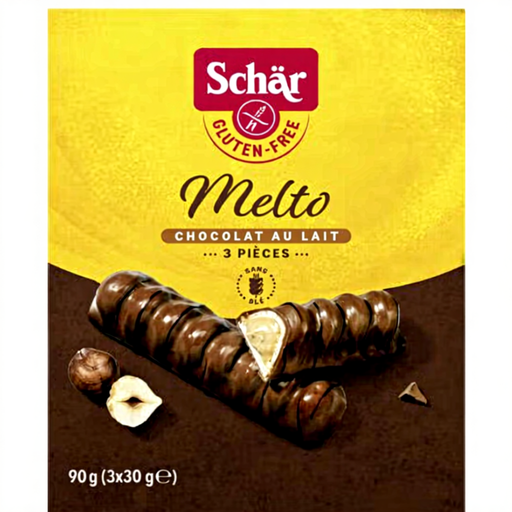 Image unavailable
For a gluten-free selection: the product information describes Melto as gluten- and wheat-free. It lists hazelnuts, milk and soya, as well as possible traces of peanuts and other nuts. Melto is not the Schär Cereal Bar mentioned in the brand example.
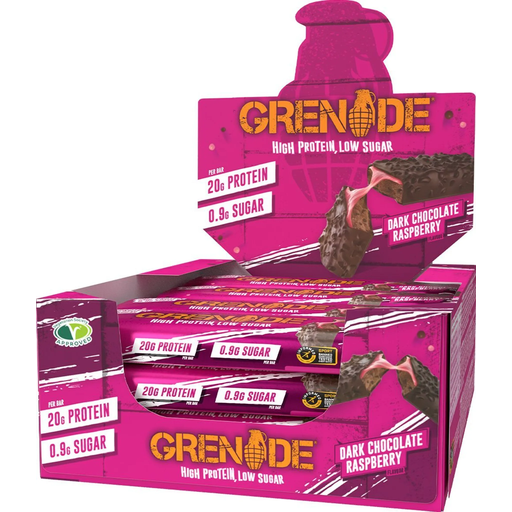 Image unavailable
Described as a vegan bar option, but not suitable for a gluten-free selection: the product information lists wheat protein, peanuts and soya. A warning about possible allergen traces from shared production lines doesn’t specify which allergens may be involved.
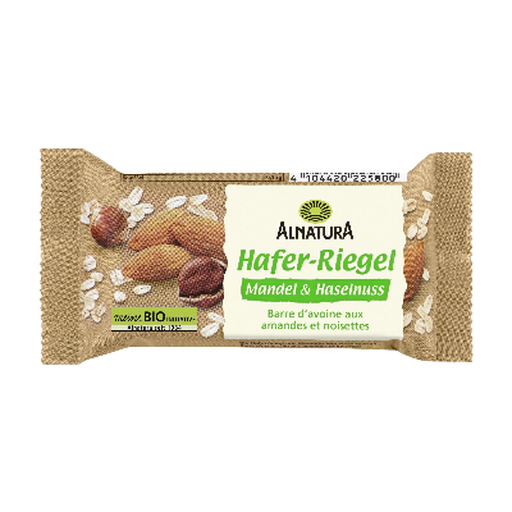 Image unavailable
Described as suitable for guests who eat vegan. The product information lists oats containing gluten, almonds and hazelnuts, as well as possible traces of egg, milk, sesame, soya and other nuts. Don’t include this bar as a gluten-free or nut-free option.
 Image unavailable
Described as a vegan option if peanuts and gluten don’t need to be avoided. The product information lists peanut butter, roasted peanuts and oats containing gluten. Possible traces of other nuts and milk are also stated.
 Image unavailable
Described as a vegan oat bar, but not suitable for a gluten-free selection: the product information lists gluten from oats. Possible traces of egg, milk, sesame, soya and nuts are also stated.
Not just because it’s labelled gluten-free. Commission Implementing Regulation (EU) No 828/2014 limits the gluten content for this claim to no more than 20 mg/kg when the product is sold. You’ll need to check the ingredients and precautionary allergen information for the specific bar to see whether other allergens are relevant.
No. According to Alnavit, its vegan Hafer Riegel Erdnuss contains peanuts. If guests need to avoid these, check every vegan bar individually.
No. If a guest needs to avoid gluten, look for an explicit ‘gluten-free’ claim on the specific oat bar rather than assuming it’s suitable based on its main ingredient.
Leave the original packaging beside each bar, or make sure the full ingredients and allergen information is clearly linked to it. That way, guests can check the details for the product actually being served.
Yes. Before serving, check the ingredients and allergen information on the current packaging of the bar you’ve bought, especially if you’re shopping for guests who need to avoid specific ingredients.