Runners planning their carbohydrate intake
For long or intense runs, you’ll want to include the carbohydrates in each bar alongside drinks and other fuel. To do that, you need the bar’s weight and a clear figure per serving.


For long training runs, a bar with a clear carbohydrate quantity per bar is a sensible choice if you can factor it into your plan alongside drinks and other fuel. A convenient snack bar for on the go won’t necessarily serve the same purpose while you’re running. So check the serving size and ingredients, and try the flavour and portion during training.
For long or intense runs, you’ll want to include the carbohydrates in each bar alongside drinks and other fuel. To do that, you need the bar’s weight and a clear figure per serving.
You’ll want to try the texture, ingredients, serving size and timing during training, rather than combining several unknown factors for the first time on race day.
A practical portion that fits in your bag or running belt is important. Check the nutritional information, ingredients and allergen advice to decide whether a bar also fits your running plan.
First, decide whether you want to include the bar during a long run or carry it as a snack around your training session. Then consider the carbohydrates per bar, the fuelling routine you’ve tested and the actual portion size.
| Criteria | What to check before buying | Who it matters most to |
|---|---|---|
| Carbohydrates per bar | Compare the figure per bar with the figure per 100 g. Factor in drinks, gels and other fuel. | When I’m fuelling for a long run, I want to know how much an individual bar contributes to my hourly intake. For approximately 42 % of consumers, being able to plan this is a priority. |
| How well it sits while running | Try the flavour, portion size and combination with drinks on training runs before changing your routine. | I don’t want a new bar to catch me out on the go with unfamiliar ingredients or a portion that’s difficult to eat. For around 33 % of consumers, how well they tolerate it is the main concern. |
| Portion size and labelling | Check the bar’s weight, individual wrapping, ingredients and allergen advice for the specific flavour. | I want a suitable portion to carry in my bag, without having to guess about ingredients or allergens. Approximately 25 % of consumers put these checks first. |
You can’t tell whether a bar is suitable for running from its name alone. According to Enervit, the Enervit Carbo Bar C2:1PRO No Flavour contains 30 g of carbohydrates per 45-g bar. Dextro Energy lists 33 g of carbohydrates and 9 g of protein per 50-g bar for its Dextro Energy Bar Vanilla. A small, individually wrapped cereal bar, on the other hand, may be most useful as a snack to take with you; check the carbohydrate content for the specific flavour.
When fuelling for a long run, it’s the total amount you consume that counts, not just the name on the front of the pack. A review published in Ned Tijdschr Geneeskd in 2015 recommends 30–60 g of carbohydrates per hour for exercise lasting 1 to 2.5 hours.
Read the nutritional information and add up the carbohydrates from bars, drinks and other fuel. Adjust your plan to suit the run and the routine you’ve tried in training.
If you experience discomfort, it can be difficult to tell which change played a part. That’s why it’s worth testing a new texture or portion size separately during training.
Try the flavour first, then change the portion size or combination with a drink separately on later training runs.
According to the German Consumer Advice Centre, descriptions such as ‘naturally sweet’ or ‘sweetened only with fruit’ don’t give a reliable indication of the actual sugar content. They don’t tell you the carbohydrate content per serving, either.
Compare the nutritional information for the specific bar and read the ingredients list too.
Recipes can vary, even within the same category. According to the European Food Safety Authority, 14 specific allergens must be labelled in the EU when they are used as ingredients.
Check the labelling and any ‘may contain’ warnings on the current pack for each flavour, especially if the flavour or recipe has changed.
These product ranges have different portion sizes and nutritional information. The specific flavour matters more than the brand name alone.
According to Enervit, its C2:1PRO Carbo Bar range is designed for longer endurance sessions. For No Flavour, the manufacturer lists 30 g of carbohydrates per 45-g bar.
Dextro Energy offers a range of sports and cereal bars. For Energy Bar Vanilla, the nutritional information lists 33 g of carbohydrates and 9 g of protein per 50-g bar.
ultraSPORTS describes the ultraBar as a 30-g bar containing carbohydrates and whey protein, for training, competition or a snack between meals.
These bars could work as portioned snacks around your marathon training. If you want to use them during long runs, compare the carbohydrate content per bar for the specific flavour and try the portion during training.
 No image available
This pack is a good option if you want to have several bars ready for training days.
The pack contains twelve bars at 50 g each. For your fuelling plan, check the carbohydrates per bar, as well as the ingredients, allergens and individual wrapping on the specific pack.
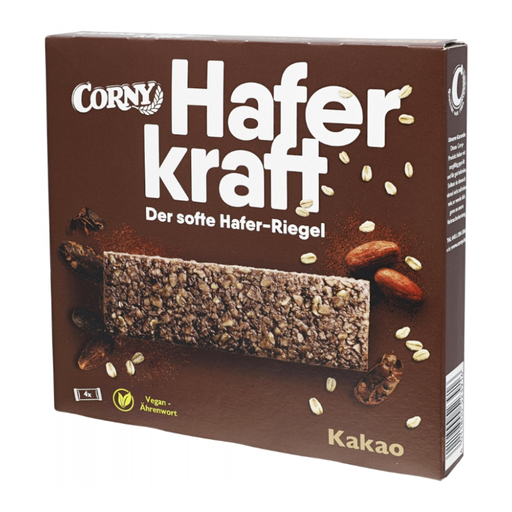 No image available
The smaller bar size is an option if you’re looking for a handy portion to take with you.
The title lists four bars at 35 g each. Compare the carbohydrates per bar with other formats, and check the ingredients, allergens and individual wrapping before buying.
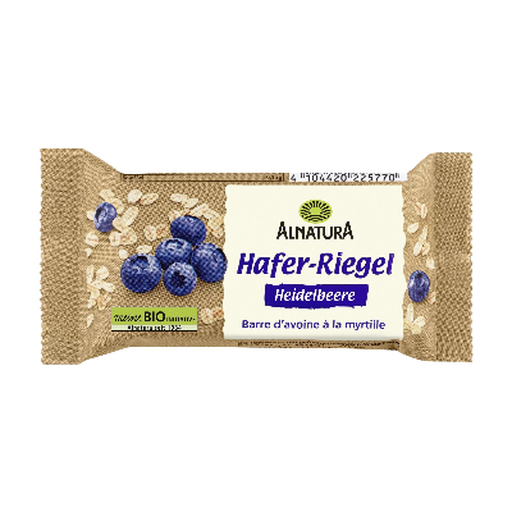 No image available
This oat flapjack could make a handy snack around your training if you’re looking for a bar weighing 60 g.
Check the carbohydrates per bar, ingredients and allergens on the specific pack. If you’re taking it with you, it’s also worth checking whether the bar is individually wrapped.
There’s no set amount per bar: what matters is how much you plan to get from bars, drinks and other fuel overall. A review published in Ned Tijdschr Geneeskd in 2015 recommends 30–60 g of carbohydrates per hour for exercise lasting 1 to 2.5 hours. So compare the grams per bar with your total intake, using the fuelling routine you’ve tried in training.
It’s better to try a new bar on training runs first. Test the flavour, portion size and combination with a drink without changing everything at once. That way, you can assess your own routine before using it in a race.
No. To plan your fuelling during a run, you need the carbohydrate content per serving. Read the ingredients list too: according to the German Consumer Advice Centre, phrases such as ‘naturally sweet’ or ‘sweetened only with fruit’ don’t reliably indicate the actual sugar content.
Check the labelling on the specific pack and any ‘may contain’ warnings. According to the European Food Safety Authority, 14 specific allergens must be listed in the EU when used as ingredients; the information can vary between flavours.
Check the bar’s weight and whether it’s individually wrapped, as well as the nutritional information and ingredients for the specific flavour. A convenient format doesn’t necessarily mean the bar fits your carbohydrate plan or the fuelling routine you’ve tested for a long run.